Punta del Este is still Uruguay’s most famous coastal real estate market, but 2026 is not a simple “everything is booming” story. The market is stable, international demand is still there, and prime assets remain expensive, but buyers are becoming more selective.
That is the big change. A few years ago, the conversation was mostly about lifestyle, safety, beach access, and Uruguay’s political stability. Those things still matter, but today’s buyers are looking much harder at rental seasonality, building quality, monthly expenses, neighborhood liquidity, and whether the property makes sense outside the summer months.
Punta del Este is not losing its appeal. It is just becoming a more professional market
Prices are still firm, but the easy upside is gone In 2026, Punta del Este remains one of the most expensive property markets in Uruguay. Well-located apartments near the Peninsula, Playa Brava, Playa Mansa, Aidy Grill, Roosevelt, and La Barra can still command strong prices, especially when they are modern, easy to rent, and close to services.
But the market has become more uneven. Smaller, well-located apartments are generally more liquid because they fit investor budgets and match short-term rental demand.
Larger houses and older units can still sell well, but only when the price reflects condition, maintenance costs, and real buyer demand. This is a major difference from the previous cycle. In 2026, being in Punta del Este is not enough.
A property also needs a clear use case: summer rental, year-round living, luxury lifestyle, capital preservation, or redevelopment potential.
The center of gravity is moving beyond the Peninsula
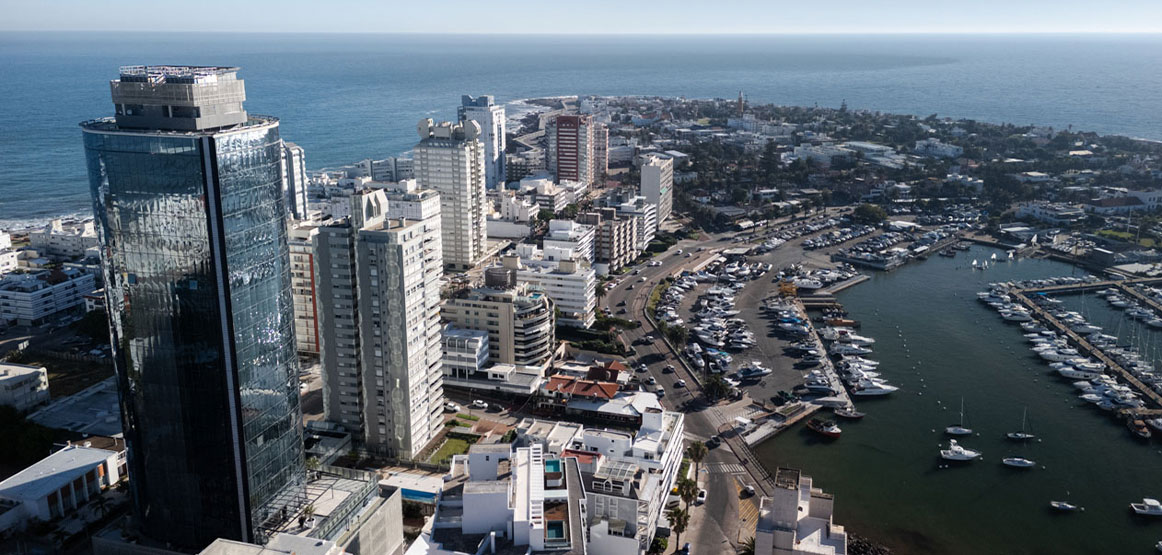
The Peninsula still has prestige, walkability, restaurants, marina access, and classic Punta del Este identity. It remains one of the safest areas for liquidity because buyers understand it immediately.
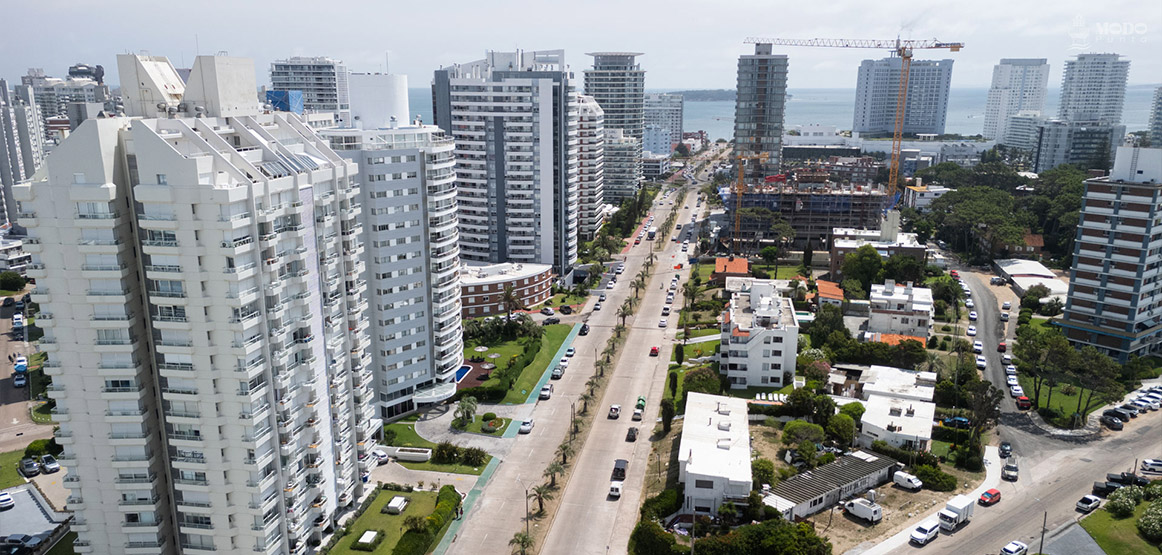
But some of the more interesting movement is now happening outside the old core. Roosevelt and Aidy Grill are getting more attention because they work better for year-round living. They offer towers, supermarkets, services, better internal mobility, and a more practical daily lifestyle than the purely seasonal beachfront zones.
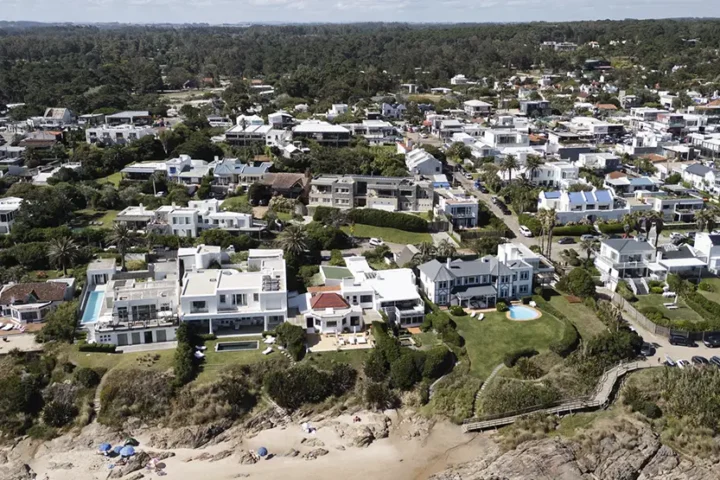
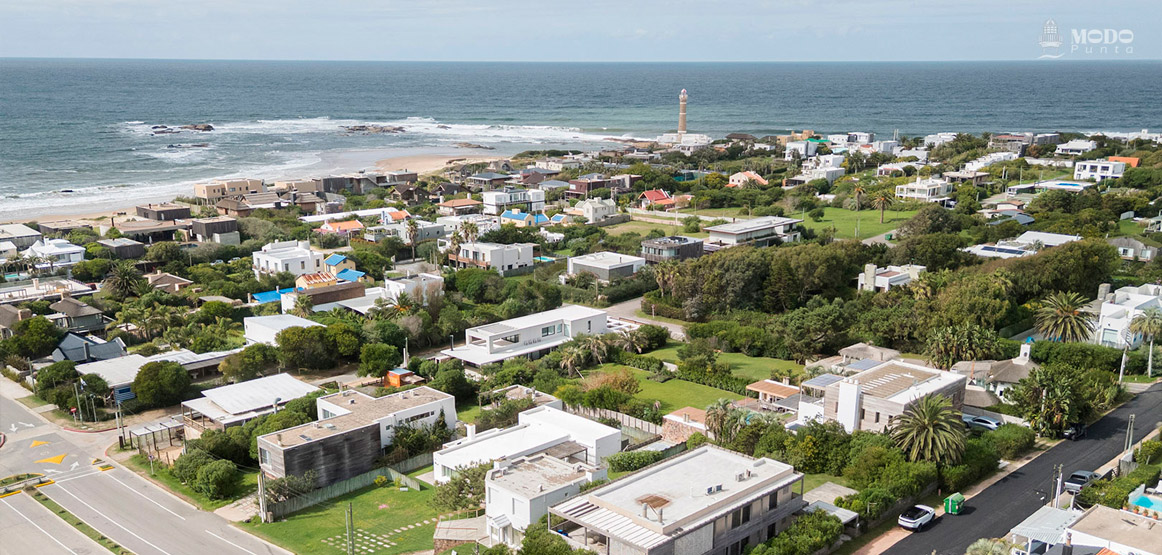
La Barra is still attractive for lifestyle buyers, especially those who want a more relaxed, design-driven, beach-town feel. But prices there can be very property-specific. A beautiful house in the right pocket can be resilient, while a less practical property further from the beach may need more negotiation.
That is one of the biggest shifts in 2026: buyers are no longer looking only at “Punta del Este” as one market. They are comparing micro-locations much more carefully.
Rentals are strong, but the seasonality is brutal
Punta del Este has one of the clearest rental calendars in Latin America. The summer season can be extremely strong, especially from late December through February, with January still doing a lot of the heavy lifting. That creates a trap for investors.
A property can look excellent during high season and much weaker during the rest of the year. The best apartments can generate serious income in summer, but winter occupancy is a completely different story. This is why 2026 buyers are paying more attention to year-round demand.
Properties near services, schools, work hubs, supermarkets, medical care, and daily infrastructure are becoming more interesting. They may not always deliver the flashiest peak-season rent, but they can be easier to hold through the full year.
In Punta del Este, the question is no longer just “Can it rent in January?” It is “What happens from April to November?”
New luxury projects are changing the perception of the market
Another important change is the amount of high-end development reshaping Punta del Este’s image. Projects linked to luxury hospitality, branded residences, new towers, and larger lifestyle complexes are reinforcing the idea that Punta del Este is not just a beach resort. It is increasingly being marketed as a wealth-preservation and lifestyle hub for South America.
This matters because it attracts a different type of buyer. Argentinians remain important, but there is also broader interest from regional and international buyers who want stability, legal clarity, security, and a hard-asset base in Uruguay.
Still, luxury supply needs to be treated carefully. A trophy apartment in a prime building is not the same market as an older unit with high expenses and limited rental appeal. At the top end, buyers are still present, but they are much more demanding about views, amenities, brand, building reputation, and resale liquidity.