Between stability and sophistication, the Punta del Este real estate market redefines its rules in 2026: more informed, more selective, and with international demand continuing to set the pace.
Punta del Este: a market maturing without losing its appeal
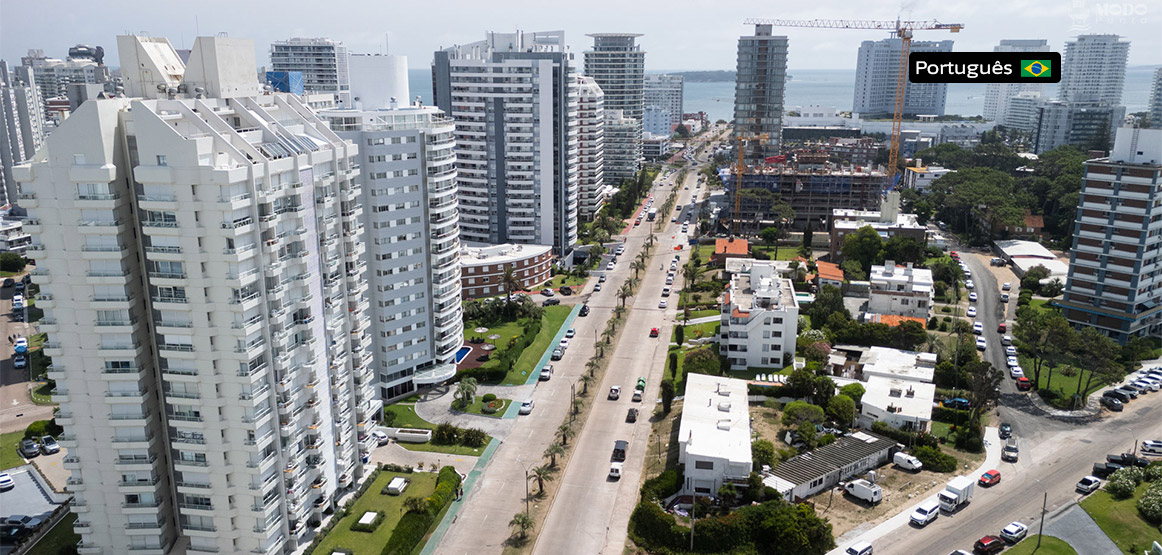
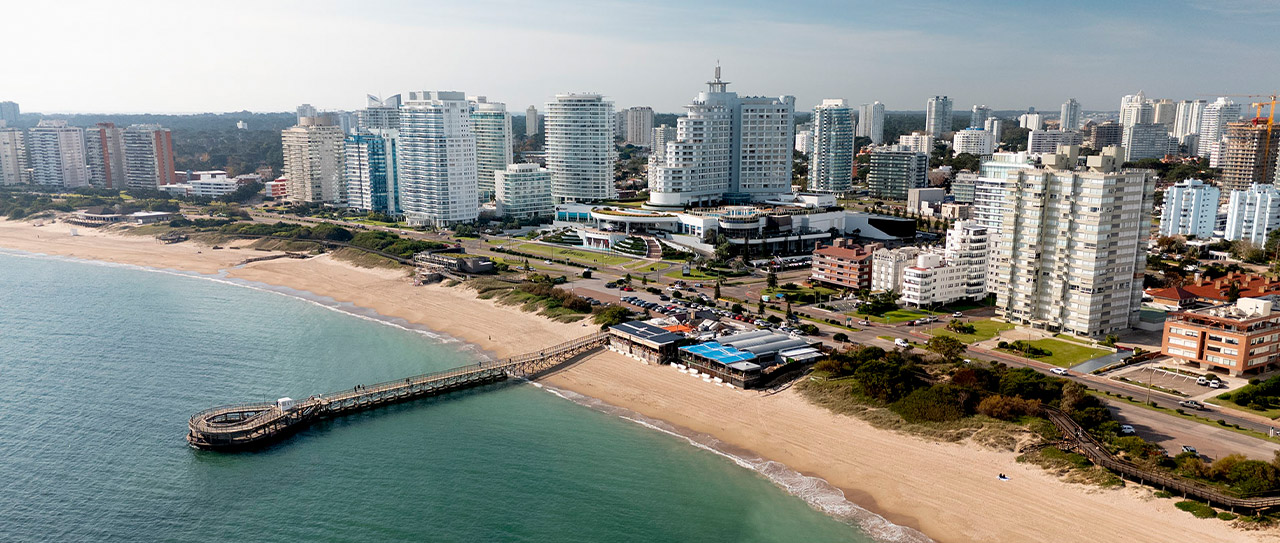
For years, Punta del Este was viewed as a seasonal destination. Today, that definition is insufficient. The city has consolidated a real estate market that combines volume, value, and increasing sophistication in demand. It is no longer just a place for vacationing; it is, more and more, an investment and lifestyle decision.
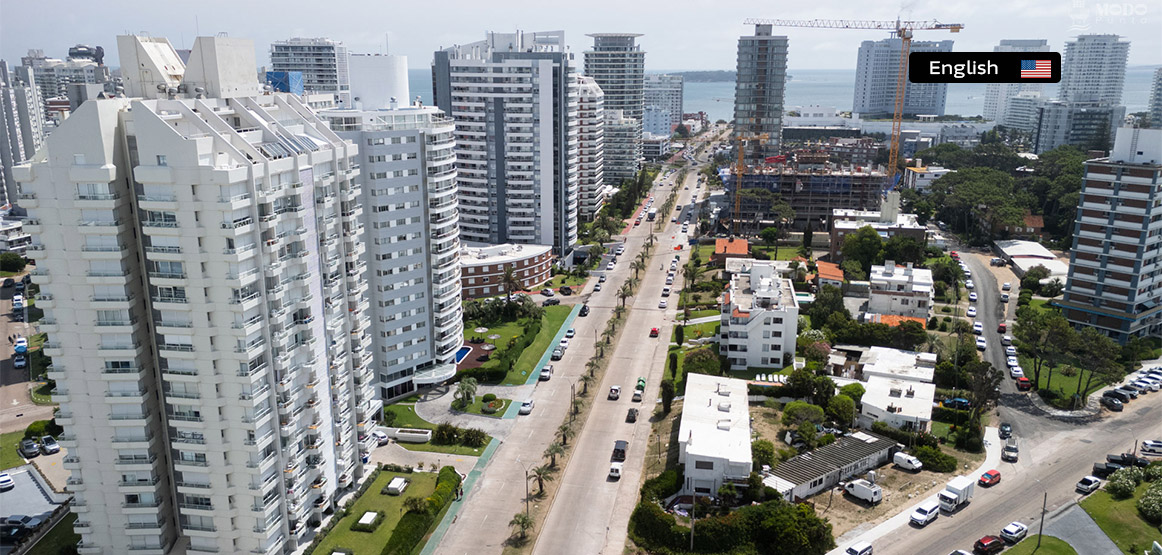
With nearly 18% of the country’s sales transactions concentrated in the department of Maldonado, Uruguay’s premier seaside resort remains the epicenter of premium real estate. In the 2025–2026 cycle, activity maintained steady growth, with transaction peaks during the months of highest seasonal demand.
However, quantitative data alone does not explain the phenomenon. What is happening in Punta del Este is, in essence, a shift in logic.
A divided market: liquidity and value
Market behavior reveals an increasingly clear duality. On one hand, small units—primarily one- and two-bedroom apartments—account for the highest volume of transactions. These are liquid assets, with price points that remain within accessible ranges for the local market, sought after by investors prioritizing turnover and rental income.
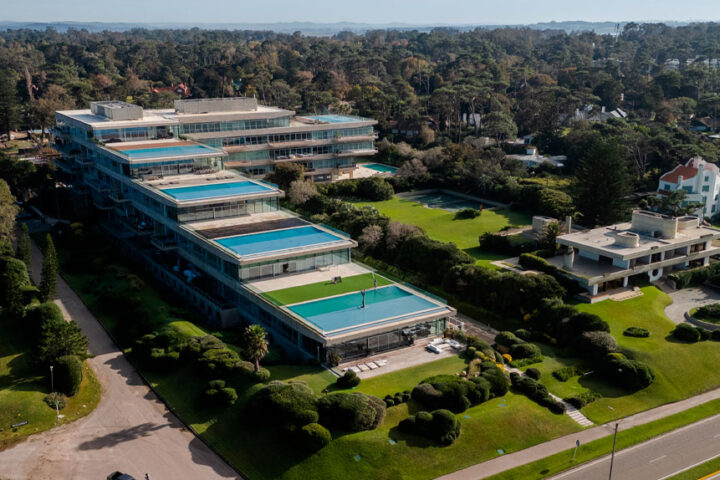
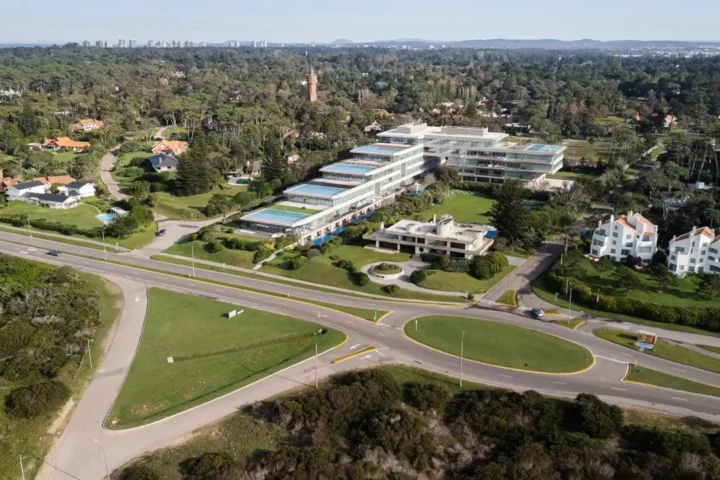
On the other hand, the premium segment operates under different rules. High-value houses, large floor-through apartments, and branded developments maintain their positioning, with lower volume but significantly higher price points. In areas such as La Barra, José Ignacio, or Punta Ballena, demand corresponds to an international profile seeking design, privacy, and experience over immediate profitability.
This segmentation is not new, but it is more evident. While smaller products ensure liquidity, premium products concentrate margin and value building.
Stable prices and concrete market benchmarks
The market shows price stability, with specific adjustments in pre-owned properties that do not align with current expectations. At the same time, the margin for negotiation has been consolidated as part of the process, especially for overvalued assets.
To better understand real price positioning, various local brokers—such as Vero Breccia Studio—allow for the observation of concrete cases in their portfolios, reflecting the current market range: from compact units geared toward investment to larger-scale properties linked to the lifestyle segment.
These examples, which accompany this article, act as a precise snapshot of the moment: a market where value is defined not only by the product but by its accurate interpretation within the context.
center top no-repeat
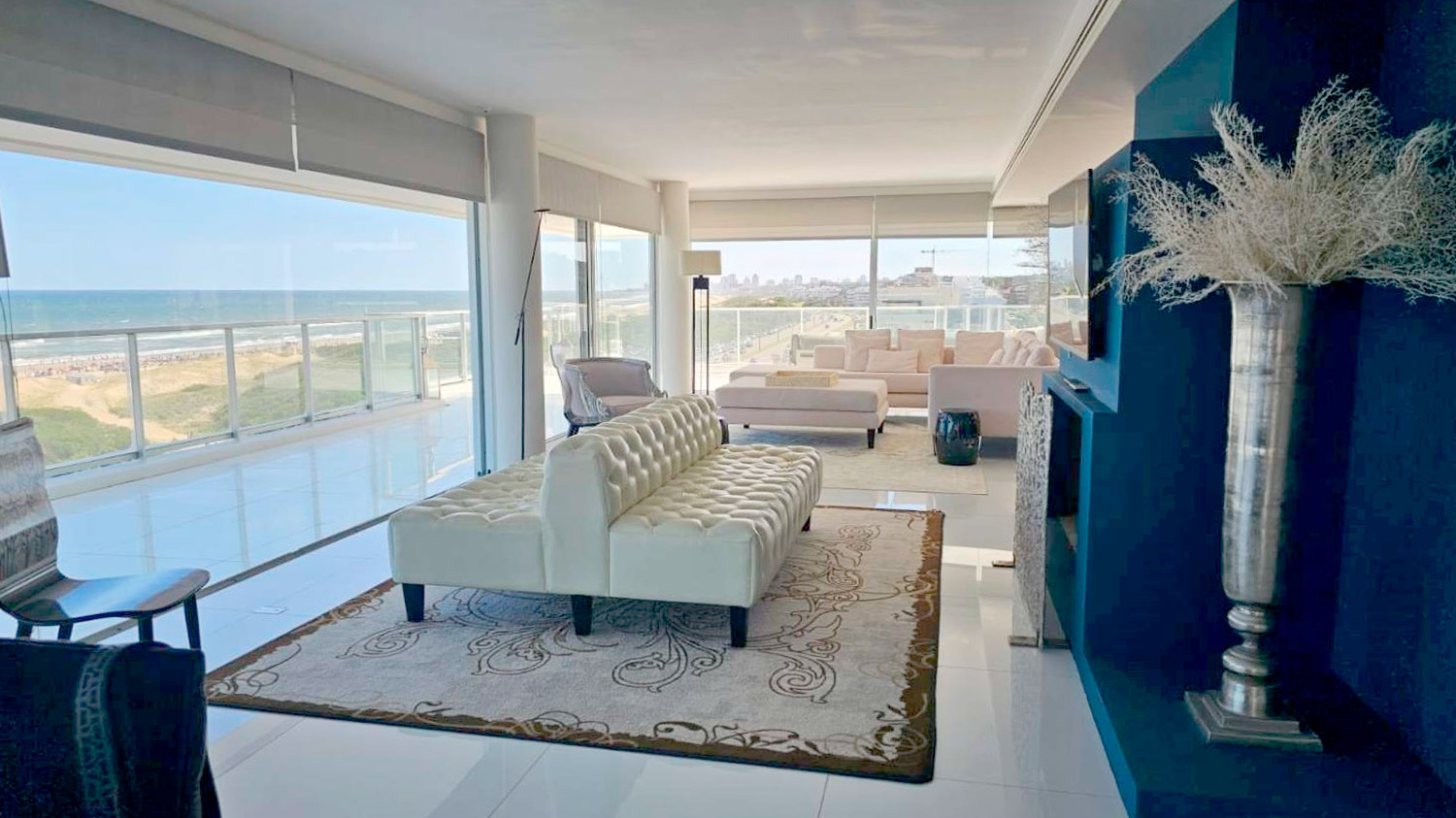
Duplex penthouse facing Playa Brava with four en-suite bedrooms, barbecue area, and private pool. Price: USD 2,685,000.
Duplex penthouse facing Playa Brava with four en-suite bedrooms, barbecue area, and private pool. Price: USD 2,685,000.
https://casasweb.com/hibrida.aspx?h=EPpdKggDHFC9FcuksEhjO1YSXwYDmyrV2yg1LLHeMj4
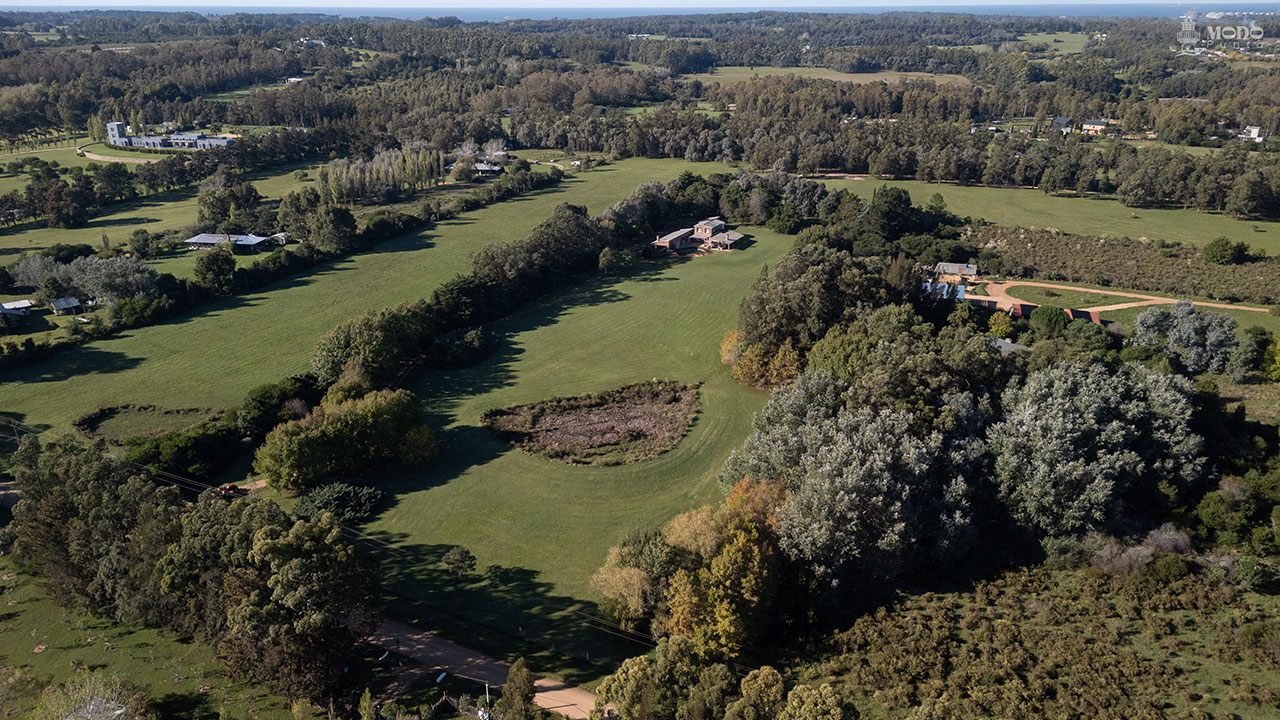
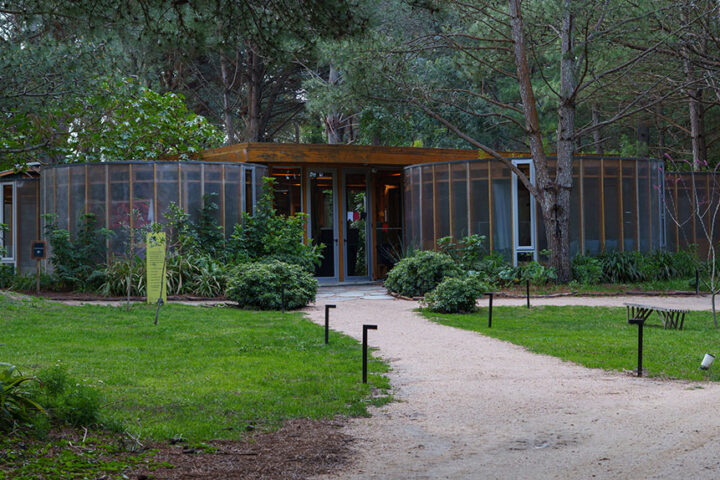
Country estate in La Barra set on 2.5 hectares, with mature trees and a five-bedroom house. Price: USD 1,100,000.
Country estate in La Barra set on 2.5 hectares, with mature trees and a five-bedroom house. Price: USD 1,100,000.
https://modopunta.com/chacra-venta-la-barra-2-5-hectareas-casa-5-dormitorios/
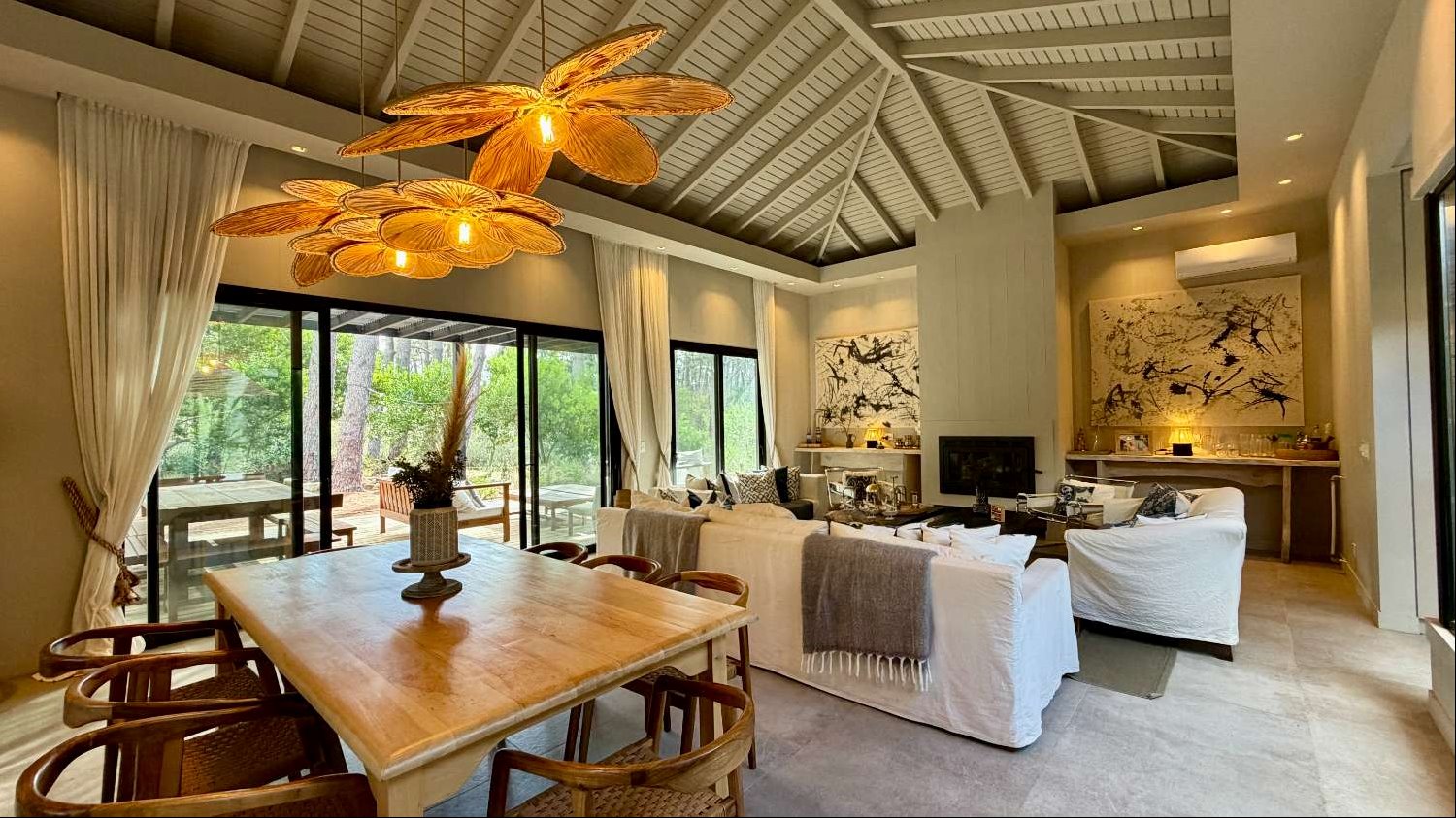
Designer home in Reserva Montoya, featuring four bedrooms in a private setting. Price: USD 1,600,000.
Designer home in Reserva Montoya, featuring four bedrooms in a private setting. Price: USD 1,600,000.
https://casasweb.com/hibrida.aspx?h=5Gtv0Vwm6b9CUqgr9IEXtsmFD11HX83Hec_Xim4EN5E
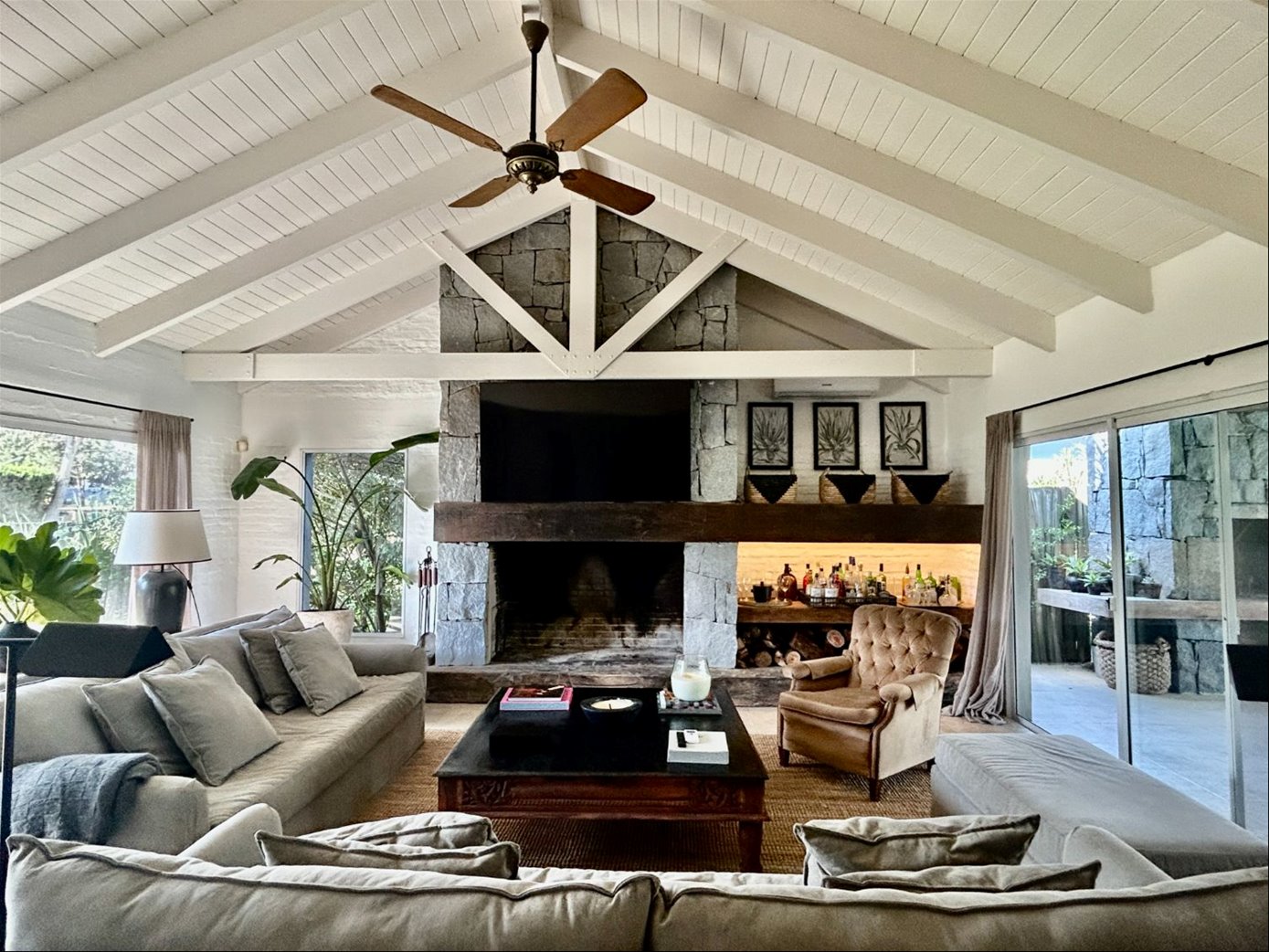
Four-bedroom home in Pinar del Faro, set in the José Ignacio area. Price: USD 1,300,000.
Four-bedroom home in Pinar del Faro, set in the José Ignacio area. Price: USD 1,300,000.
https://casasweb.com/hibrida.aspx?h=bw62VS4x77h5TVBceKXAI6pUQjpyXf8UdBIcUy1idZw
The weight of international demand
The Punta del Este market remains, to a large extent, an international market. Argentine buyers maintain their historical role, while the Brazilian audience continues to expand, and European interest is consolidating in the high-end segment.
At the local level, Montevideo serves as a base for second homes, and domestic investors find in rentals—both seasonal and annual—a yield alternative that, depending on the asset, ranges between 3% and 7% annually.
The sustained recovery of rentals post-pandemic reaffirms Punta del Este not only as a haven of value but also as a productive asset.
New trends: design, brand, and territory
The progress of premium projects and branded residences continues to lead the market, especially in areas like José Ignacio and Manantiales. These developments raise the standard and consolidate a logic where design, services, and experience are central.
In parallel, certain traditional properties are undergoing an adjustment process. Units that do not align with new expectations lose competitiveness in an increasingly demanding market.
A more professional market, a more demanding buyer
The current scenario demands precision. Punta del Este remains a resilient market, capable of sustaining value even in variable regional contexts. But that resilience no longer coexists with improvisation.
Today, the differentiator lies in information, strategy, and the ability to correctly interpret demand.
In that balance between nature, investment, and lifestyle, Punta del Este continues to consolidate itself as one of the most unique markets in the region. Not because of what it promises, but because of what, silently, it already is.
Relocation & Advisory #PDE
https://modopunta.com/relocation-and-advisory-radicarse-en-punta-del-este/
Relocation and advisory Punta del Este
Keep exploring #ModoPunta
Content and experiences created to understand what living in Punta del Este is really like
center top no-repeat
grid
rand
DESC
english
images-only