Move to Punta del Este without improvising
Answer a few questions about where to live, schools, health, paperwork and housing. We send back a guide tailored to you, built from what you chose.
Six areas worth sorting out on arrival
Pick the ones that matter and we go deeper only on those.
Where to live
Real differences between the coastal areas: pace, services, season.
Schools and education
Bilingual, international and local options, and which areas are close to each.
Health and coverage
Health plans, mobile emergency services and providers open all year.
Residency and paperwork
Tax residency, documentation and providers to organize your arrival.
Buy, rent or build
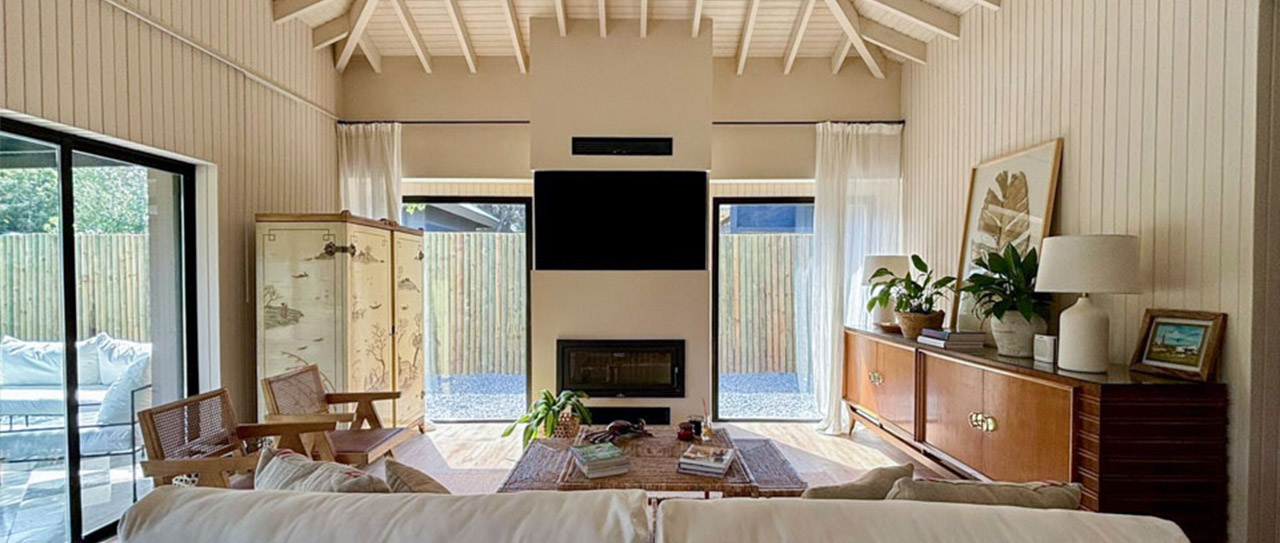
Properties, yearly rentals and modular homes, depending on timing and budget.
Daily life and community
Connectivity, mobility, home services and people to connect with.
Seven areas, seven ways to live on the coast
Tap an area to see what daily life looks like. In the survey you choose the ones you like.
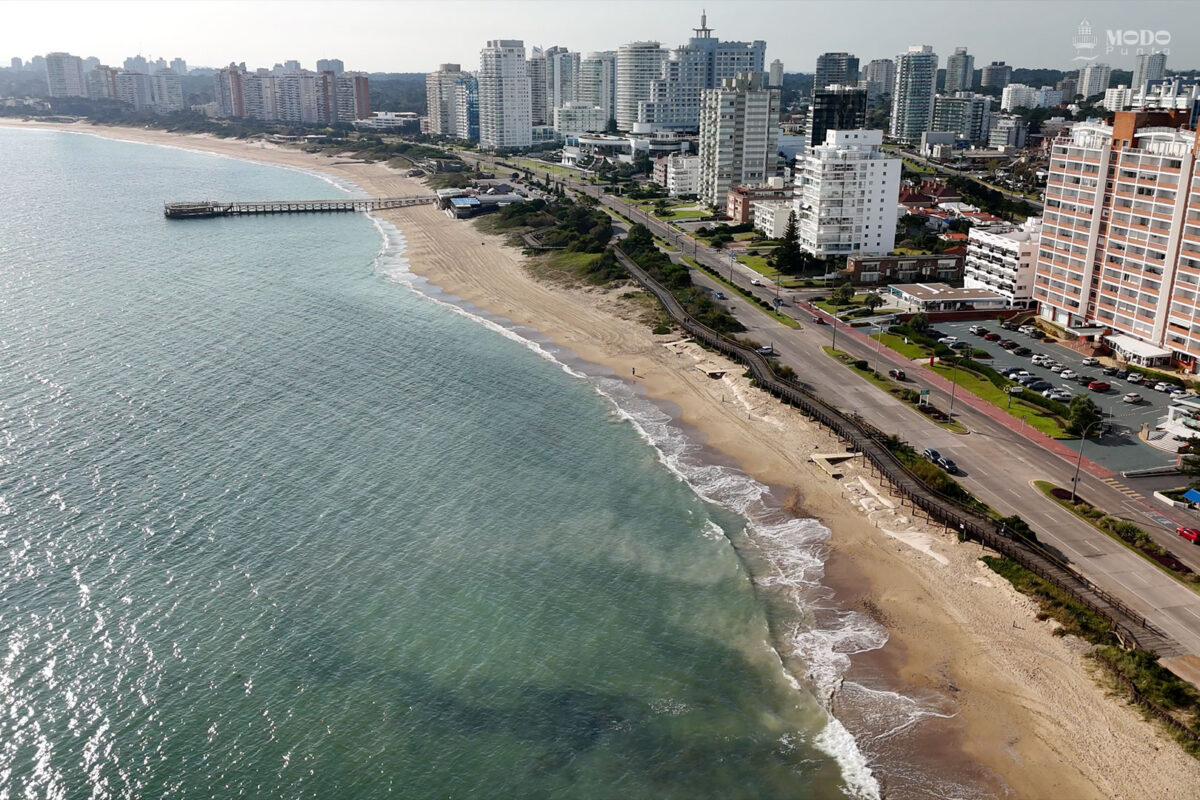
Playa Mansa
Coast on the Río de la Plata, with calm water and little surf. It is the side most used by families in summer, next to the port and the center.
- Atmosphere
- Family-friendly, relaxed pace
- Sea
- Calm water, no strong surf
- Daily life
- Near the port, shops and services
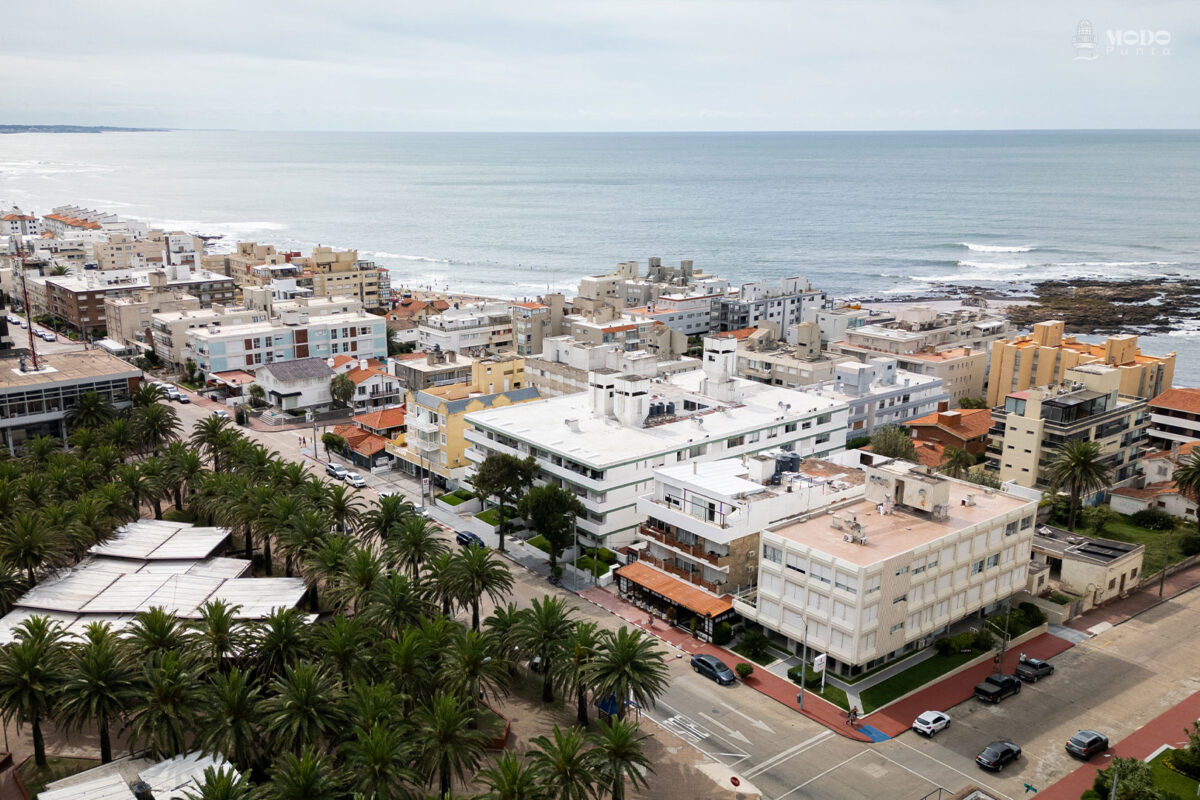
Peninsula
The urban core on the cape: port, shopping streets, buildings and sea on both sides. It concentrates services, dining and activity.
- Atmosphere
- Urban, with shops and street life
- Sea
- Access to Mansa and Brava
- Daily life
- Services and dining on foot
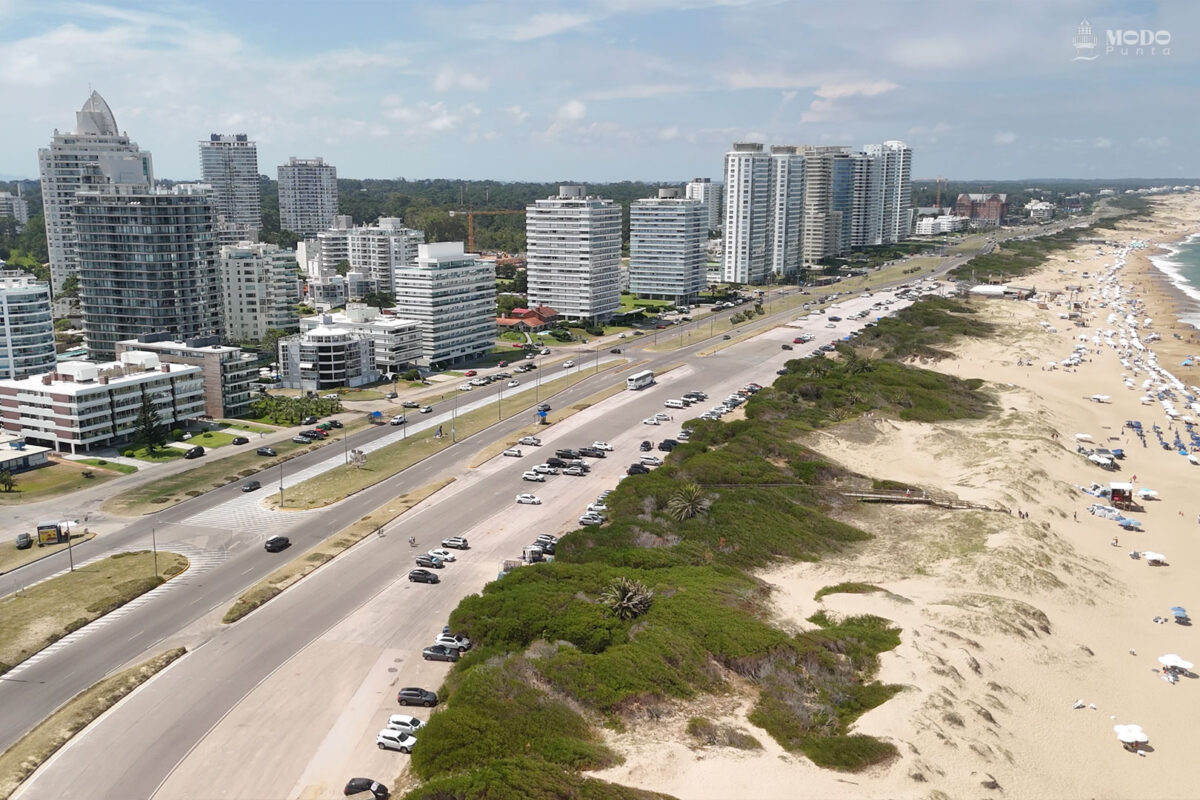
Playa Brava
Open Atlantic front with surf, wind and a wide horizon. It combines apartment towers with residential neighborhoods.
- Atmosphere
- Open, with wide views
- Sea
- Surf and wind, suitable for surfing
- Daily life
- Buildings and residential neighborhoods
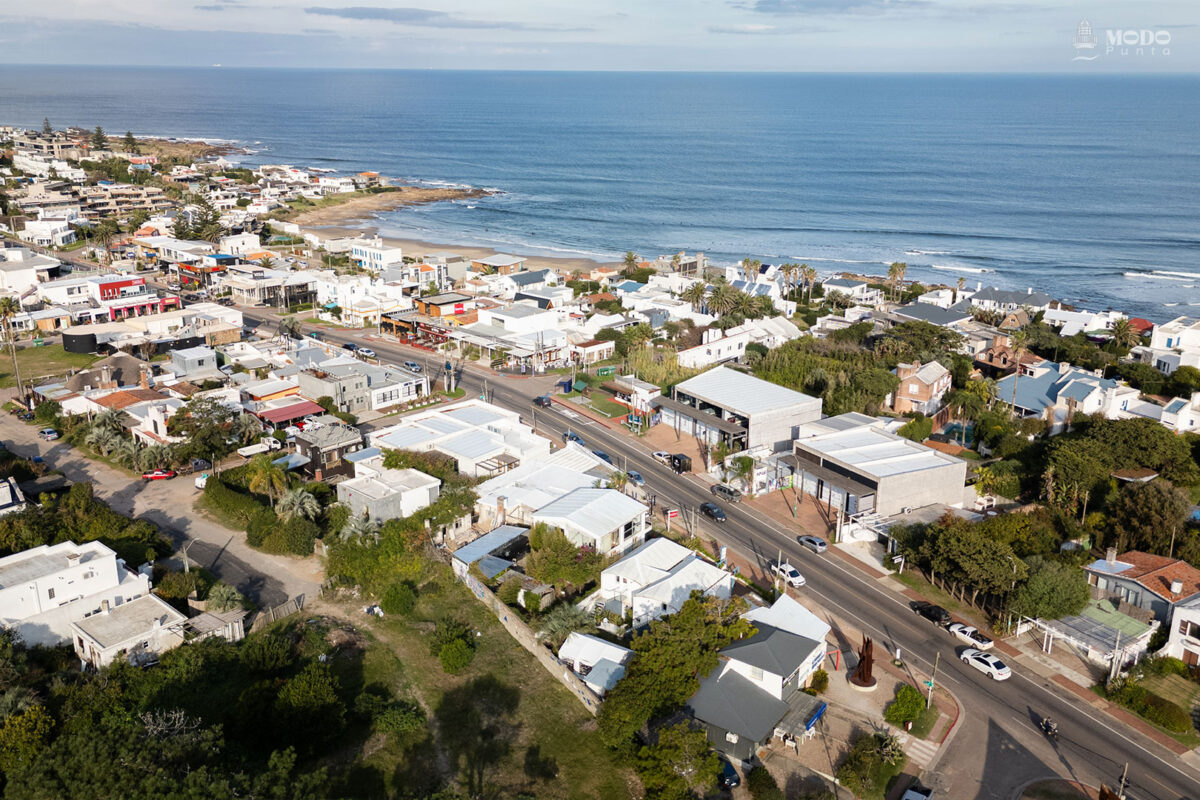
La Barra
Area along the Maldonado stream and its bridge, with dining, shops and social life. It mixes year-round residents with seasonal activity.
- Atmosphere
- Social, with dining and shops
- Sea
- Atlantic beaches
- Daily life
- Busier in season
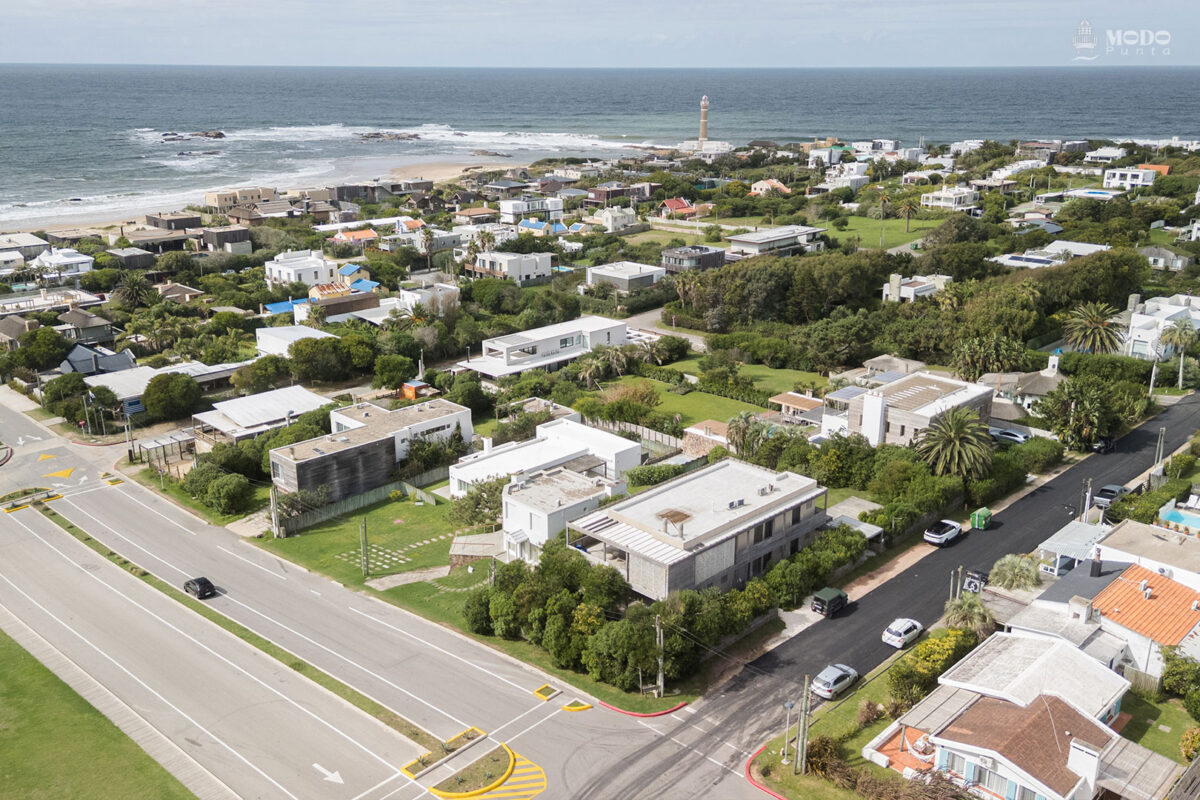
Manantiales
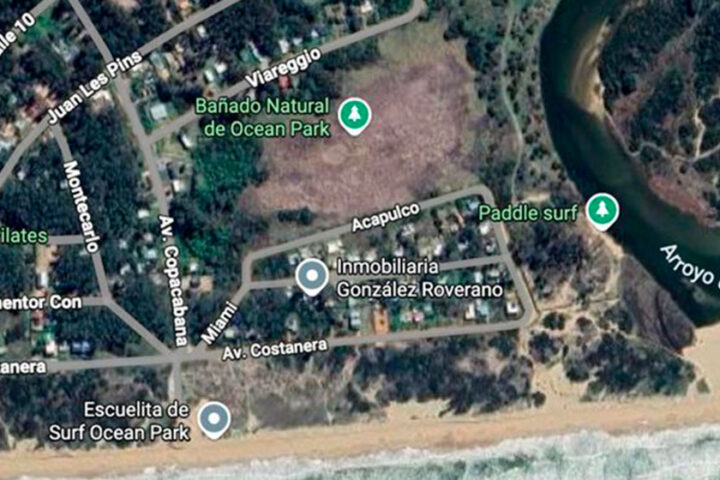
Beach resort on Route 10, between La Barra and José Ignacio, with open Atlantic beaches, low-rise residential neighbourhoods and a dining scene that concentrates in the summer season.
- Atmosphere
- Residential, low density
- Sea
- Open Atlantic beaches
- Daily life
- Car-dependent; services in La Barra and nearby
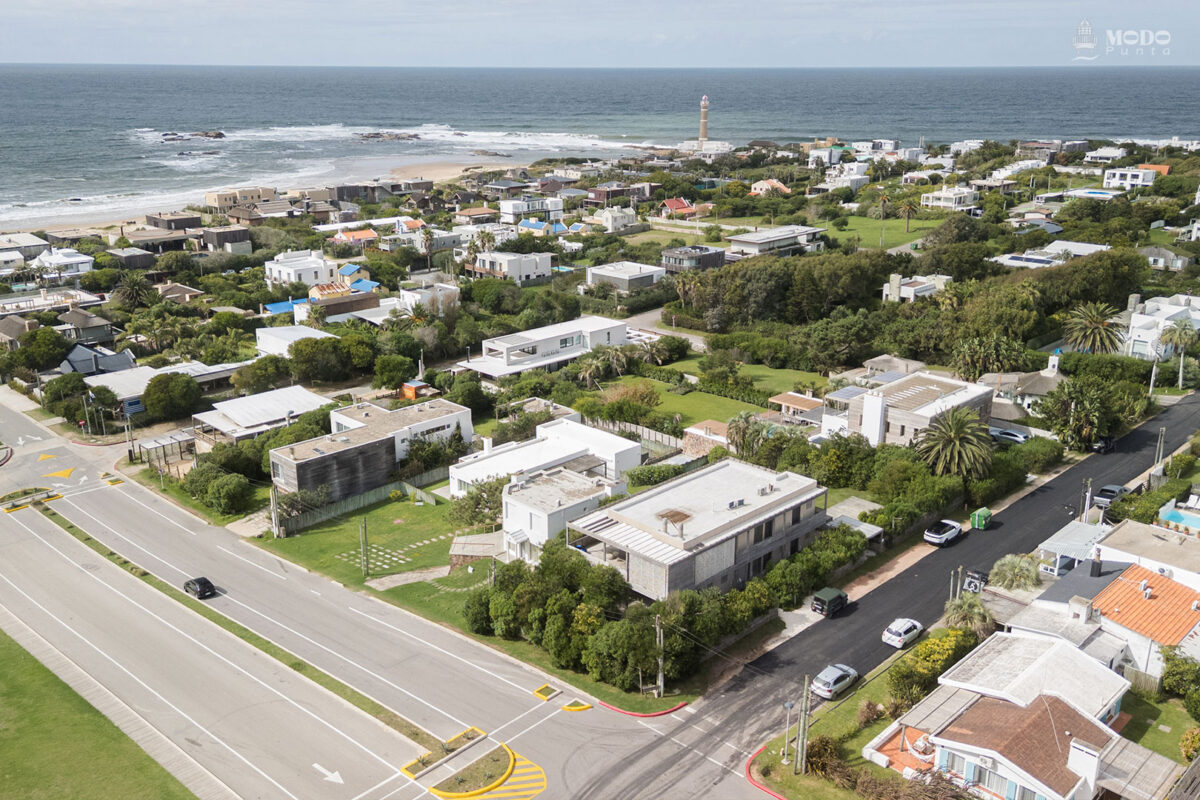
José Ignacio
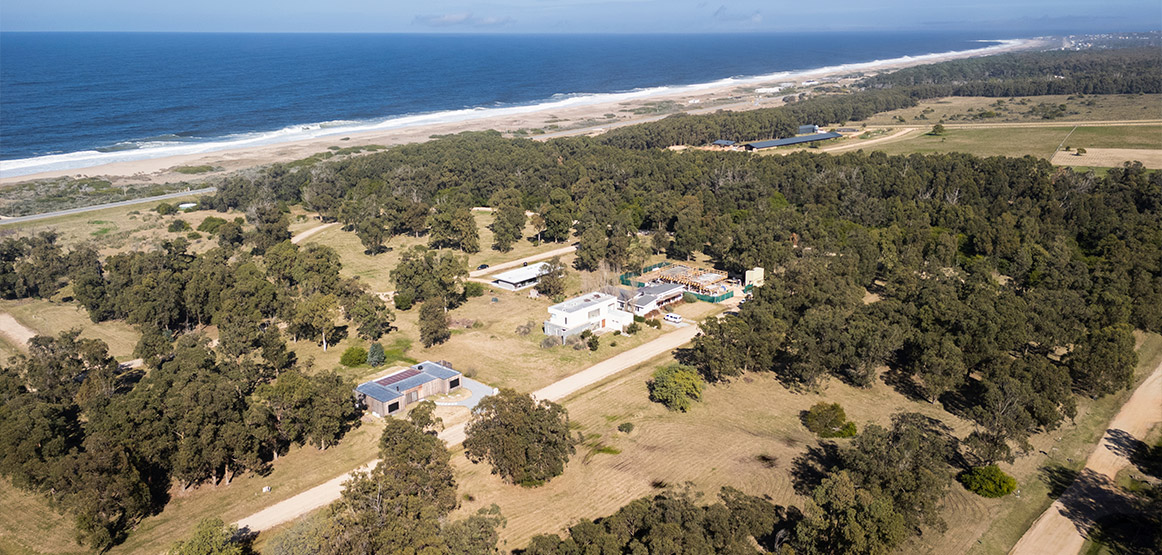
Small coastal village between the sea and Laguna Garzón, surrounded by farm plots. Slow pace, low-rise building and few services in the village itself.
- Atmosphere
- Small, private, quiet village
- Sea
- Atlantic beaches and lagoon
- Daily life
- Car-dependent; basic services in the village
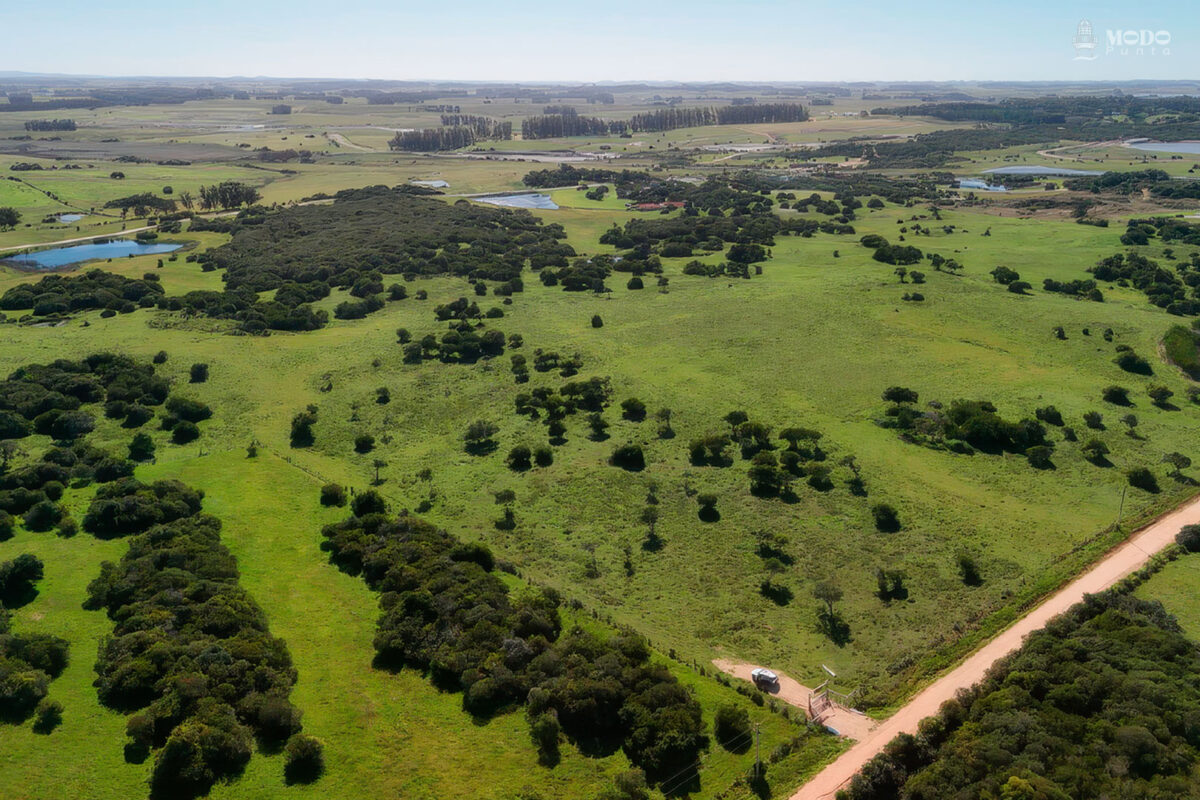
Chacras
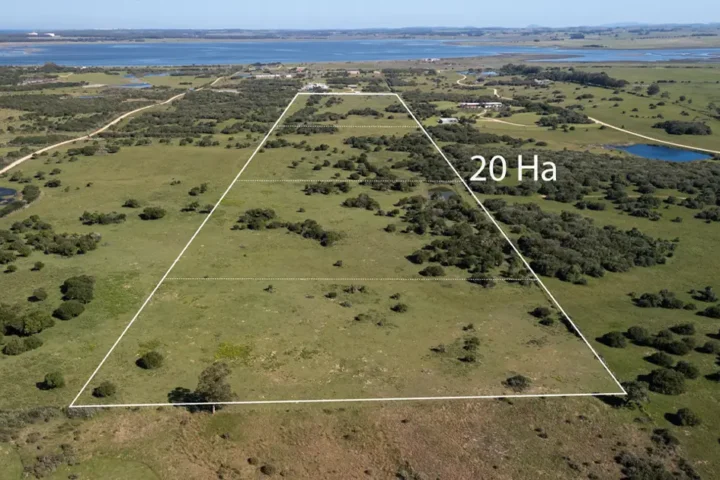
Rural plots of several hectares inland from José Ignacio, Garzón and Manantiales, a few kilometres from the sea. They offer privacy and room to build, in exchange for depending on the car and arranging water, power and access roads.
- Atmosphere
- Rural, private, low density
- Sea
- A few kilometres from the coast
- Daily life
- Car-dependent; own infrastructure
How it works
Pick your stage
Quick-select options. You only elaborate where you want to.
Get your tailored guide
Areas, schools and paperwork organized by your answers, in the language you choose.
Talk to a person
If you want to move forward, we contact you by WhatsApp or email with concrete options.
Everything in order, step by step
The Peninsula, the two beaches, La Barra and José Ignacio are very different from each other. Your answers decide where to start.
Frequently asked questions
What is the difference between legal and tax residency in Uruguay?
Legal residency is the immigration permit to live in the country; tax residency determines where you pay taxes. They are separate procedures, and you can hold one without the other. Tax residency depends on criteria such as days spent in the country and where your interests are based, so it is worth confirming with an accountant.
When am I a tax resident in Uruguay?
Among other criteria, the tax authority (DGI) treats you as a resident if you spend more than 183 days in the calendar year, or if your main activities, vital interests or source of income are based in Uruguay. Each case is assessed individually: consult an accountant before deciding.
Which documents are required for legal residency?
For temporary residency under the Mercosur agreement, applicants are usually asked for a valid ID, a birth certificate and a recent criminal record certificate, apostilled and translated where required, plus health documentation. Requirements vary by nationality and category: confirm them on gub.uy before gathering papers.
Can a foreigner buy a house in Punta del Este?
Yes. Uruguay does not require residency to buy, and foreigners hold the same property rights as Uruguayans. The purchase is formalised before a public notary (escribano) and registered in the Property Registry. Before signing, review the title, taxes and transaction costs.
What is the best area to live in year-round?
It depends on your routine. The Peninsula and Mansa offer services within walking distance; La Barra mixes local life with seasonal activity; José Ignacio is a small village where nearly everything is done by car. The area comparison and the survey help you structure the decision.
What do I get after completing the survey?
A free, tailored guide built from your answers on area, schools, healthcare, paperwork and housing. The survey takes about three minutes. A member of our team then contacts you by WhatsApp or email, in English, Spanish or Portuguese.
How do families arrange healthcare and schooling?
Healthcare options include mutualistas, private insurance and mobile emergency services; for schooling there are local, bilingual and international schools. Each family combines them according to the area and the children's ages. Our Services Guide lists providers across Maldonado and Rocha.
Your tailored guide
Your data is used only to prepare your guide and contact you the way you choose. Privacy policy