Uruguay has quietly become one of Latin America’s most compelling real estate destinations.
Stable institutions, a transparent legal system, no restrictions on foreign ownership, and one of the most stunning coastlines in the Southern Cone — it’s no surprise that buyers from the United States, Europe, and Brazil are increasingly looking at Punta del Este, La Barra, and José Ignacio as serious investment destinations.
But how does the buying process actually work for someone coming from outside Uruguay? What documents do you need? How much does it cost? And do you even need to be present to close the deal?
This guide answers all of that, step by step.
Updated November 2026.
To compare this process with actual listings, Modo Punta gathers the properties for sale in Punta del Este with area and price.
Quick answer: how to buy property in Uruguay as a foreigner
- Who can buy: foreigners have the same property rights as Uruguayan citizens, with no residency requirement.
- Who closes the deal: a public notary (escribano) chosen by the buyer, who checks the title and registers the deed.
- Buying remotely: possible with an apostilled power of attorney.
- Timeline: typically six to eight weeks from reservation to final deed.
- Taxes at purchase: transfer tax (ITP) of 2% for the buyer and 2% for the seller, calculated on the cadastral value. Notary, registration and agent fees come on top.
- Residency: buying property does not by itself grant residency or tax residency. See tax residency in Uruguay in 2026.
Can foreigners buy property in Uruguay?
Yes — and without restrictions. Uruguay grants foreign nationals exactly the same property rights as its own citizens. There are no special permits, no foreign ownership quotas, no approval processes based on nationality, and no limitations on the type of property you can purchase.
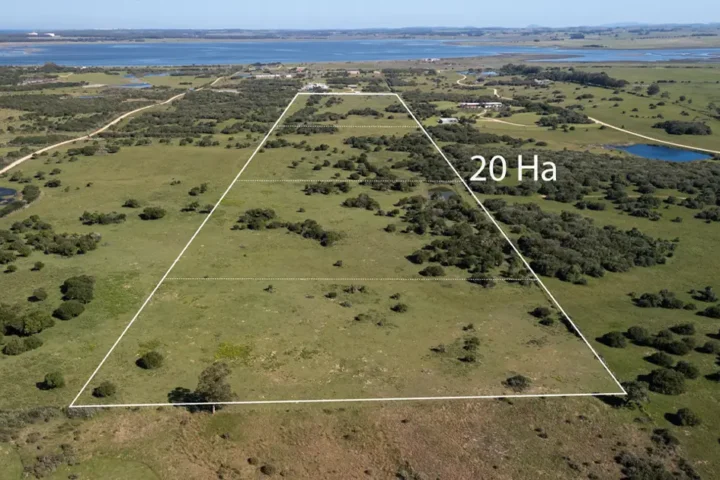
Apartments, beachfront homes, rural estates, private gated communities, urban lots — all of it is fully accessible to international buyers. The only notable exception applies to foreign governments (not individuals) acquiring Uruguayan territory, which is irrelevant for private investors.
This open framework, combined with a freehold title system and a publicly accessible property registry, makes Uruguay one of the most transparent markets in the region.
Why Uruguay? The case for foreign investors
Before getting into the mechanics, it’s worth understanding what makes Uruguay stand out:
Political and economic stability. Uruguay is consistently ranked among Latin America’s most stable democracies. Its institutions are strong, its banking system is well-regulated, and the rule of law is taken seriously — rare qualities in the region.
Transactions in US dollars. Most real estate deals in Uruguay are conducted in USD, which protects buyers against local currency risk and simplifies international fund transfers.
Strong rental market. Punta del Este and its surrounding areas attract hundreds of thousands of tourists every summer season, creating consistent demand for short-term rentals. Rental income is highly seasonal, concentrated in January and February, and varies widely by location and property type.
Growing international appeal. The market has seen sustained interest from American, European, and Brazilian buyers over the past decade, and that momentum continues. Coastal properties have consistently outperformed inland areas in terms of appreciation. For current figures, see our analysis of international demand and prices in Punta del Este in 2026.
Properties for sale on the east coast
A Modo Punta selection, updated from the site inventory.
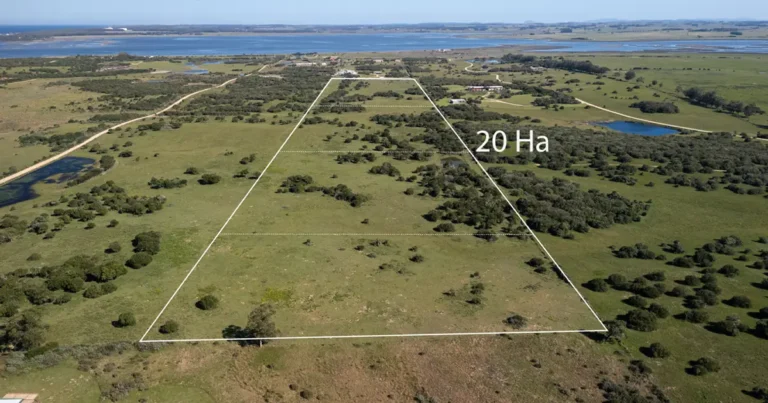

Step-by-step: how to buy property in Uruguay as a foreigner
Step 1 — Define your goals and choose a zone
Before browsing listings, clarify what you’re buying for: personal use, rental income, long-term appreciation, or a combination. Your answer will point you toward different parts of the coast.
- Punta del Este is Uruguay’s luxury benchmark. Prices range from around USD 150,000 for a modest apartment to over USD 20 million for a beachfront penthouse. High visibility, strong brand, excellent infrastructure.
- La Barra and Manantiales offer a more relaxed, bohemian atmosphere with strong short-term rental demand and a growing year-round community.
- José Ignacio is the most exclusive destination on the coast — low-density, high-value, internationally renowned. It attracts buyers seeking privacy and long-term capital preservation.
- Piriápolis is an emerging market with more accessible price points, strong natural surroundings, and increasing investor interest.
Step 2 — Work with a local real estate advisor
Uruguay’s real estate market doesn’t have a single centralized MLS system, which means local expertise matters. A trusted advisor who knows the specific micro-markets — which developments are worth it, which zones are growing, which properties have title issues — is invaluable for a foreign buyer.
Look for an agency with experience working with international clients and a track record in the specific area you’re targeting. If you want support from our team, see Relocation & Advisory.
Step 3 — Sign the Boleto de Reserva (reservation agreement)
Once you’ve found a property, the process begins with the Boleto de Reserva — Uruguay’s equivalent of a purchase agreement. This is a legally binding document that outlines:
- The agreed sale price
- The terms and conditions of the transaction
- The timeline to closing
- The deposit amount (typically 10% of the purchase price)
Once signed by both buyer and seller, both parties are committed to the transaction. This document is the foundation of the entire process, so it should be reviewed carefully — ideally with your notary’s involvement from the start.
Step 4 — Hire an Escribano Público (public notary)
The Escribano Público is not optional in Uruguay — they are a mandatory and central figure in every real estate transaction. Unlike in some other countries where attorneys handle closings, in Uruguay it’s the notary who:
- Conducts full due diligence on the property title
- Verifies there are no outstanding liens, debts, or encumbrances
- Confirms the seller’s legal authority to sell
- Manages the deed preparation and signing
- Registers the transaction with the national Property Registry
Choose your notary carefully. The Asociación de Escribanos del Uruguay publishes a reference fee of around 3% of the property value, plus VAT and a contribution to the notarial pension fund. The final fee is negotiable, so ask for a written quote before you hire.
Step 5 — Due diligence
While not legally mandated in Uruguay, due diligence is essential — especially for foreign buyers who may not have local familiarity with a property or its history. Your notary will lead this process, which typically includes:
- Verifying the legal status and title history of the property
- Confirming no outstanding debts or taxes are attached to the property
- Checking boundaries, dimensions, and permitted uses
- Reviewing any homeowners association rules or community fees (for gated communities and private neighborhoods)
For coastal or rural properties, additional government approvals may occasionally be required, which can extend the timeline slightly.
Step 6 — Get your RUT (tax identification number)
Many foreign buyers also register for a Uruguayan tax identification number, the RUT (Registro Único Tributario). It matters most if you plan to rent the property or open a local bank account. Ask your notary whether you need one for your purchase.
Your notary can usually coordinate this as part of the closing process. It’s a routine administrative step, not a barrier.
Step 7 — Sign the Escritura Definitiva (final deed)
The closing happens at the notary’s office, where both buyer and seller sign the Escritura Definitiva — the final deed of sale. At this point:
- Full payment is transferred via certified bank instrument or escrow
- The property title is officially transferred to the buyer
- The deed is registered in Uruguay’s national Property Registry
From reservation to closing, the entire process typically takes six to eight weeks, though rural or coastal properties requiring additional approvals may take a bit longer.
“More than choosing a real estate agency, it’s about choosing who you want by your side when navigating an important decision—like buying a home or land to share with family or as part of an investment.”
Do you need to be in Uruguay to buy?
No. Foreign buyers can complete the entire process remotely. To do so, you’ll need to grant a Power of Attorney (Poder Notarial) to a trusted local representative — your notary, lawyer, or real estate agent — who will sign all documents on your behalf.
The Power of Attorney must be:
- Notarized in your home country
- Legalized through the Apostille Convention
- Accompanied by a certified Spanish translation
Many international buyers close their Uruguayan purchases entirely from abroad, making the process genuinely accessible regardless of where you’re based.
What documents do you need?
The core documentation for a foreign buyer is straightforward:
- Valid passport
- Proof of address (from your home country)
- Evidence of the source of funds
- RUT (obtained during the process, with your notary’s help)
If purchasing remotely, add a notarized and apostilled Power of Attorney to that list.
Taxes and costs: what to budget for
Understanding the full cost of a purchase is critical. In Uruguay, total transaction costs for a foreign buyer typically run between 7% and 9% of the purchase price. Here’s a breakdown:
| Cost | Amount |
|---|---|
| Transfer tax (ITP) — buyer’s share | 2% of cadastral value |
| Transfer tax (ITP) — seller’s share | 2% of cadastral value |
| Notary fees | ~3% reference fee (negotiable), plus VAT and notarial fund contribution |
| Registration fees | ~1% of property value |
| Real estate agent commission | Typically 3% (often paid by seller) |
A few things worth noting:
- The transfer tax (ITP) is calculated on the cadastral value set by the national cadastre, which is often lower than the market price.
- Annual property taxes (Contribución Inmobiliaria) in Uruguay are relatively low by international standards. They are levied by the departmental government, which in Punta del Este is the Intendencia de Maldonado.
- The national Wealth Tax (Impuesto al Patrimonio) can apply to real estate held in Uruguay above an annual minimum set by decree. Whether it applies to you depends on your residency and how you hold the property, so ask your accountant.
- If you rent the property out, the rental income is taxable in Uruguay, and the regime depends on your residency status.
- To estimate your budget, use our costs and taxes calculator for buying in Punta del Este.
- Capital gains tax may apply when selling, depending on your residency status at the time of sale.
- Uruguay does not impose a general tax on the real estate purchase itself beyond the ITP.
Financing options for foreign buyers
Local bank financing for non-residents exists but comes with conditions. Uruguayan banks typically require:
- Established proof of income
- A local bank account
- Down payments of 30–50% of the property value
Rates and terms change often, so ask the bank for a current quote before you build financing into your plan. Many international buyers prefer to finance through their home country or purchase with cash, which simplifies the transaction significantly.
Can buying property help you obtain residency?
Property ownership itself does not automatically grant residency, but it can serve as a supporting factor in a residency application. Uruguay has a well-structured residency program that attracts many international buyers who want to establish a more permanent presence in the country.
One important update: as of January 2026, the minimum real estate investment required for new residents seeking tax holiday benefits on offshore income has increased to approximately USD 2 million. This affects tax residency incentives specifically — it does not affect the basic right to purchase property, which remains completely open to all foreign buyers regardless of investment amount. For the details, read our guides to tax residency in Uruguay in 2026 and what the DGI says about tax residency.
The best areas to buy in Punta del Este and the coast
If you’re targeting the coast between Punta del Este and José Ignacio, here’s a quick orientation:
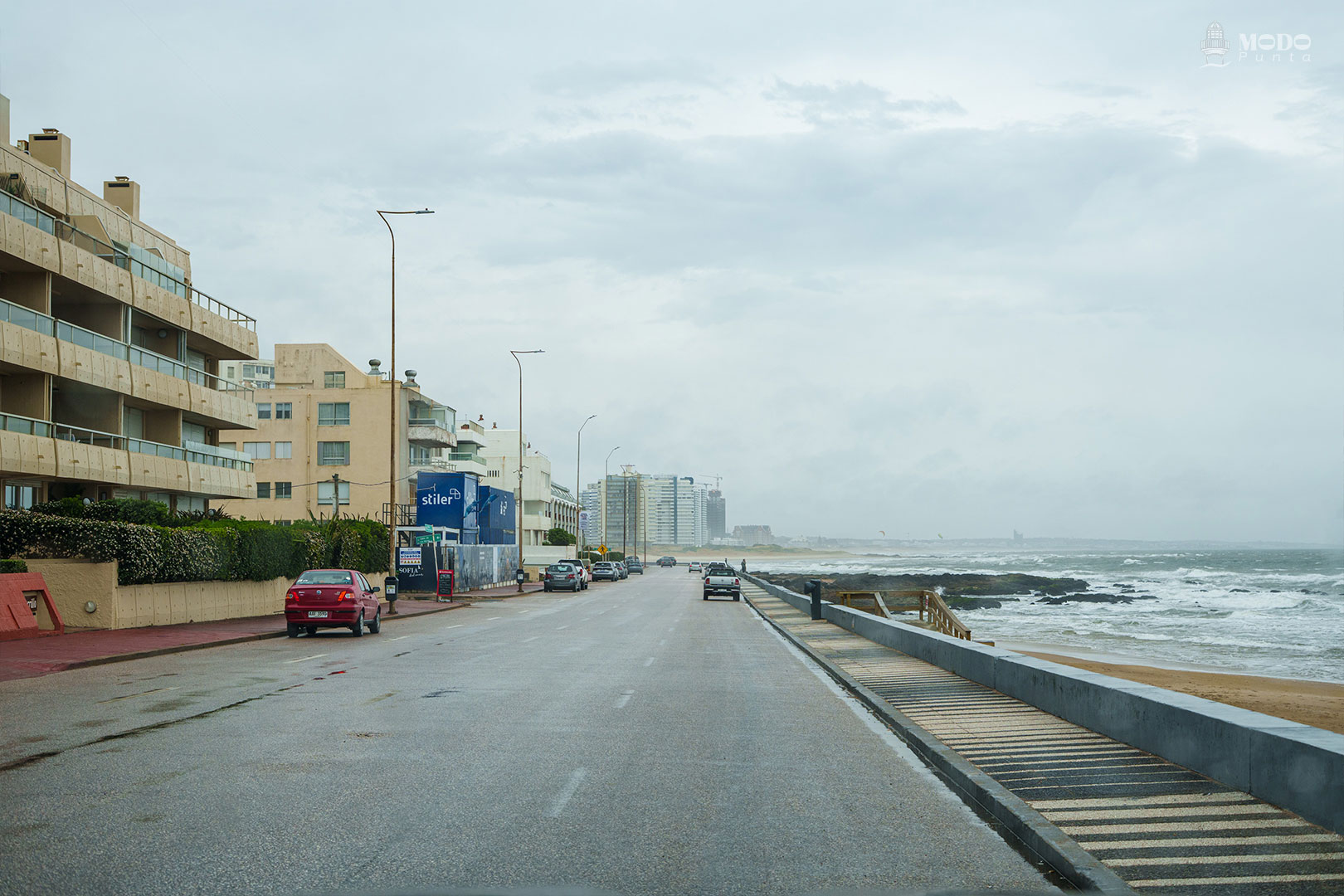
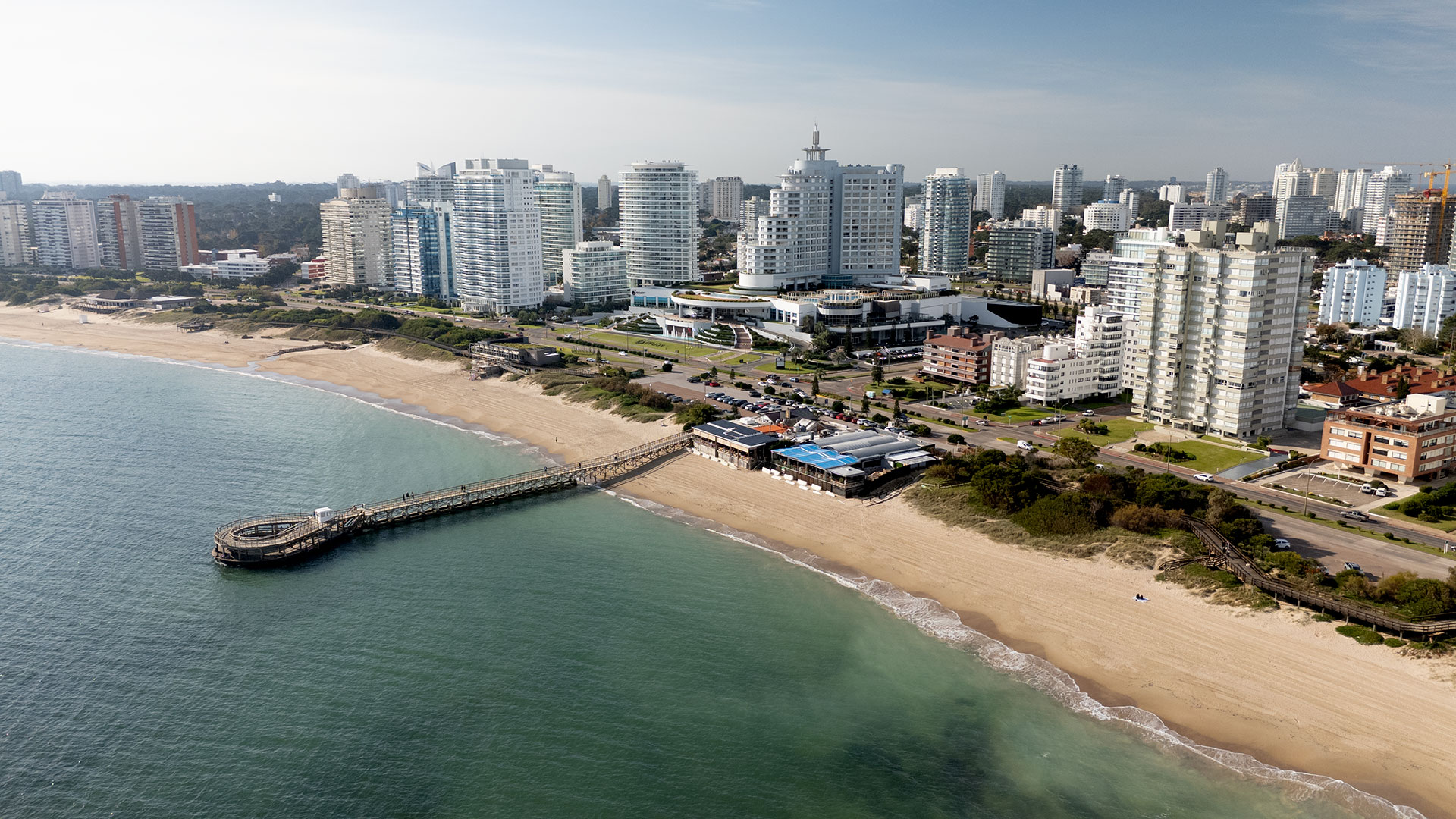

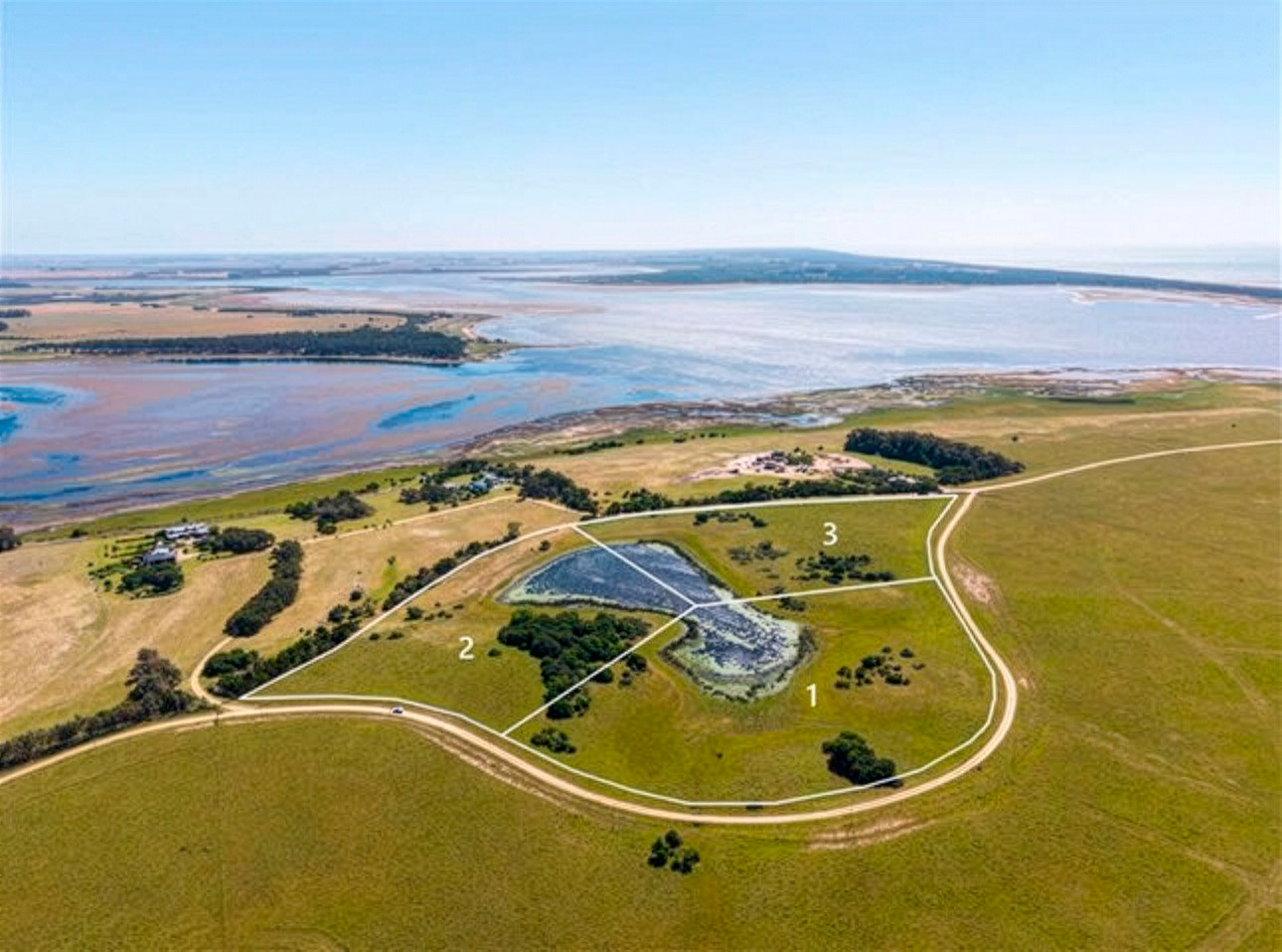
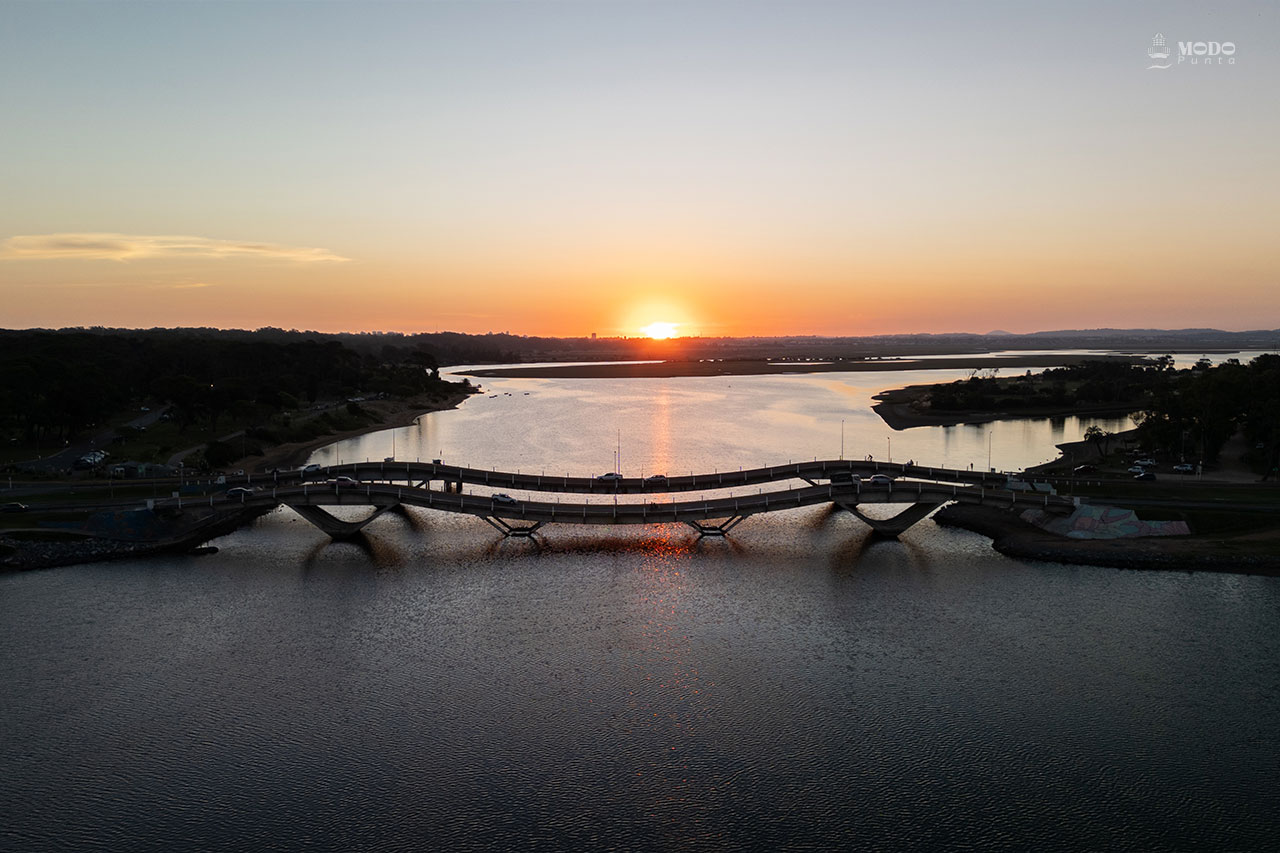
Punta del Este is the anchor of the market — internationally known, well-connected, with strong infrastructure and year-round amenities. Best for buyers who want liquidity and a recognized address.
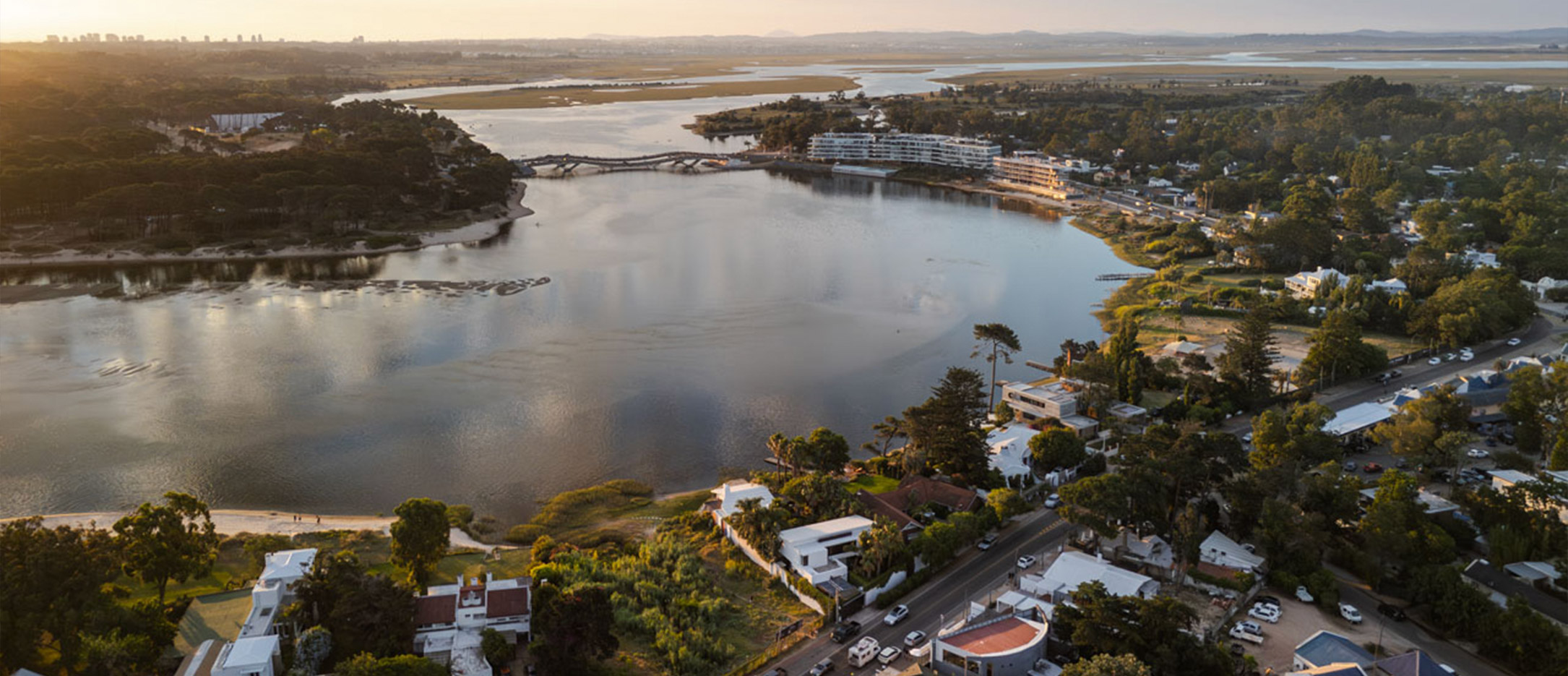
La Barra sits just east of Punta del Este and offers a more creative, low-key atmosphere. It’s one of the coast’s fastest-growing zones, with strong demand from both buyers and renters.
Manantiales is a quiet, nature-driven alternative with significant private neighborhood development. It attracts buyers seeking space, privacy, and a slower pace without sacrificing proximity to services.
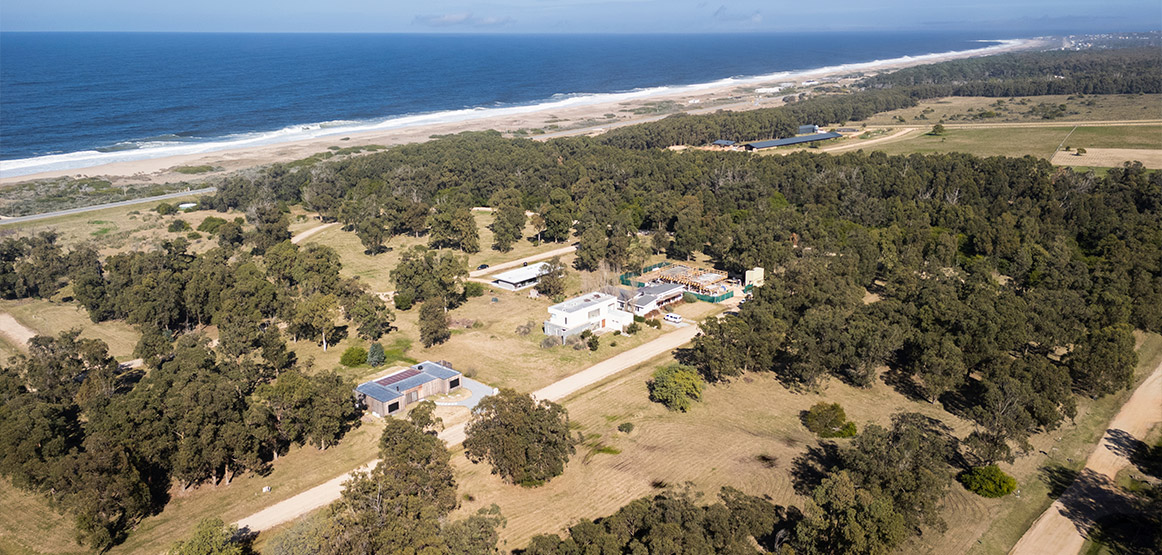
José Ignacio is Uruguay’s most exclusive coastal destination — a small village with a global reputation. Land and properties here are limited, which supports long-term value. It’s a market for buyers who think in decades.
Piriápolis is the emerging opportunity in the region: more affordable than its neighbors, with improving infrastructure and growing interest from both domestic and international investors.
Common mistakes to avoid
Skipping or minimizing notary involvement. Some buyers try to reduce costs by limiting the notary’s role. This is a serious mistake — the notary provides the legal protections that make the transaction secure. It’s not optional, and cutting corners here is the most common regret among buyers who later face title issues.
Not verifying source of funds documentation. Uruguay’s banking system takes anti-money laundering compliance seriously. Have your documentation in order before transferring funds.
Underestimating transaction costs. Budget for 7–9% on top of the purchase price. Surprises at closing are avoidable with proper planning.
Moving too fast without local guidance. The market moves at its own pace, and local knowledge matters. Working with professionals who know the specific zone you’re buying in — not just the country generally — makes a meaningful difference.
If you are focused on buying a house rather than an apartment or land, our guide to buying a house in Punta del Este as a foreigner covers the title and boundary checks in more detail.
Frequently asked questions
Can a foreigner buy property in Uruguay without residency?
Yes. Uruguay gives foreign buyers the same property rights as citizens, and there is no residency requirement to buy.
Can I buy property in Uruguay from abroad?
Yes. You can sign through a local representative with a power of attorney that is notarized in your home country, apostilled and accompanied by a certified Spanish translation.
How much does it cost to buy property in Uruguay on top of the price?
The buyer pays 2% transfer tax (ITP) on the cadastral value, plus the notary’s fee (a reference of around 3% plus VAT, negotiable), registration costs and, if you use one, the agent’s commission. Ask your notary for a written quote before you commit, and use our costs and taxes calculator to estimate your budget.
Do I need a notary to buy property in Uruguay?
Yes. The public notary (escribano) is central to every real estate transaction: they study the title, check taxes and registries, prepare the deed and register it.
Does buying property give me residency in Uruguay?
No. Owning property does not by itself grant residency or tax residency. Tax residency has its own rules, explained in our guides on tax residency in 2026 and what the DGI says.
Which area is best for foreign buyers on the Punta del Este coast?
It depends on your goal: Punta del Este for liquidity and a recognized address, La Barra and Manantiales for lifestyle and rental demand, José Ignacio for privacy and low density. Compare them in our area guides and in our guide to buying a house as a foreigner.
In conclusion
Uruguay offers foreign buyers something genuinely rare: full ownership rights, a transparent legal process, a stable political environment, and one of South America’s most beautiful coastlines. The process is straightforward when you have the right team in place — a knowledgeable real estate advisor, a reputable notary, and a clear sense of your goals.
Punta del Este and the surrounding coast are not just lifestyle destinations. They represent a serious, long-term investment in a market that continues to attract global attention.
If you’re ready to explore properties or want to understand the market before committing, Modo Punta connects buyers with local experts, developments, and opportunities across the entire coast — from Punta del Este to José Ignacio.
Modo Punta is the digital magazine connecting real estate, lifestyle and investment opportunities along Uruguay’s coast. For property inquiries, local advisors, and zone-by-zone guides, explore modopunta.com.
Related guides for international buyers
- Buying a house in Punta del Este as a foreigner
- Costs and taxes calculator for buying in Punta del Este
- How much it costs to buy or sell in Punta del Este
- The Argentine buyer in Punta del Este in 2026
- Tax residency in Uruguay in 2026 and what the DGI says
- Farms and chacras for sale in Maldonado: price per hectare and chacras for sale in José Ignacio
- Land for sale in Punta del Este and houses for sale
- Real estate in Punta del Este in 2026: international demand and prices
- Moving to Punta del Este as an American, from Germany and from Russia
- Brazilians in Punta del Este: trends and recommendations
- Immigration paperwork in Punta del Este: residency offices
- Living in Punta del Este year-round: cost of living and health coverage
Sources
- DGI: Impuesto a las Trasmisiones Patrimoniales (ITP), accessed November 4, 2026
- IMPO: Texto Ordenado 2023, Título 19 (ITP rates), accessed November 4, 2026
This guide is general information, not legal or tax advice. Confirm costs and requirements with a Uruguayan notary and an accountant before you buy.
Talk to a local team
Tell us the area, budget and timeline, and we reply with real options and market data. Browse properties, learn about our Relocation & Advisory service or message us on WhatsApp.