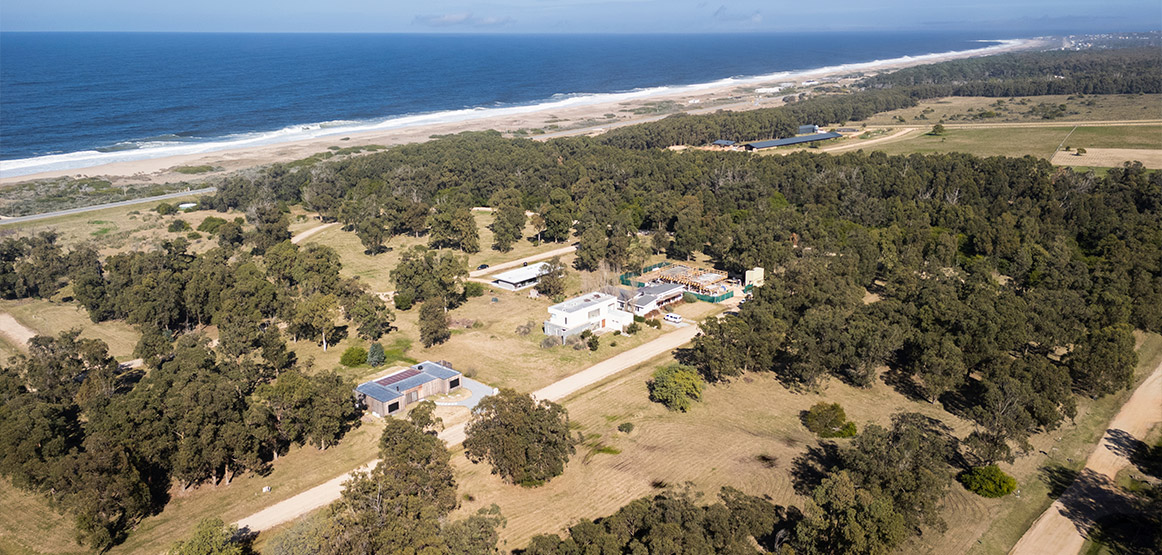
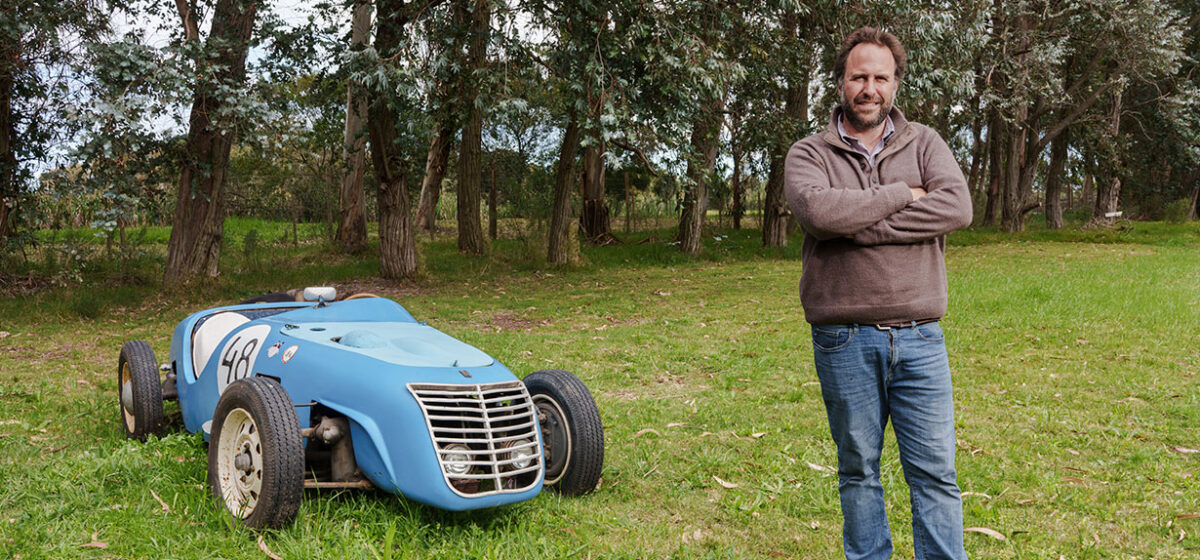
Grandson of one of the founders of classic motor racing in Argentina, Nicolás Dellepiane runs the O.S.R.C. (Old School Racing Club) in Punta del Este: a private club of 35 members with weekly meetings and a dirt track for night races. He also organizes the Toda Flor Classic and restores cars in his private workshop, set in a farmland area on Camino Eguzquiza.
At Modo Punta we continue to interview leading figures from different fields across the East Coast. With a particular interest in automobiles, we wanted to meet Nicolás Dellepiane, a weighty voice in the world of classic cars and restoration.
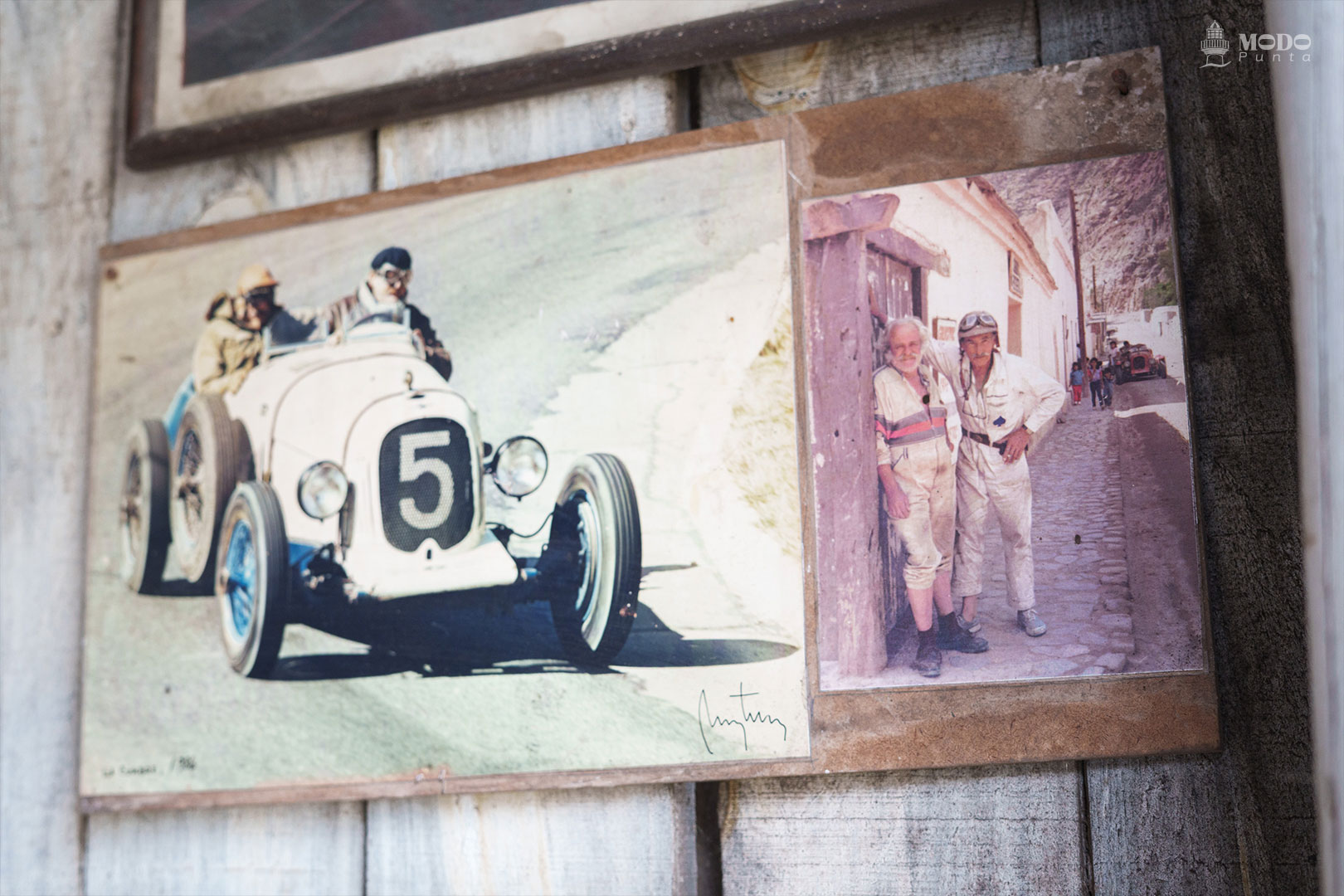
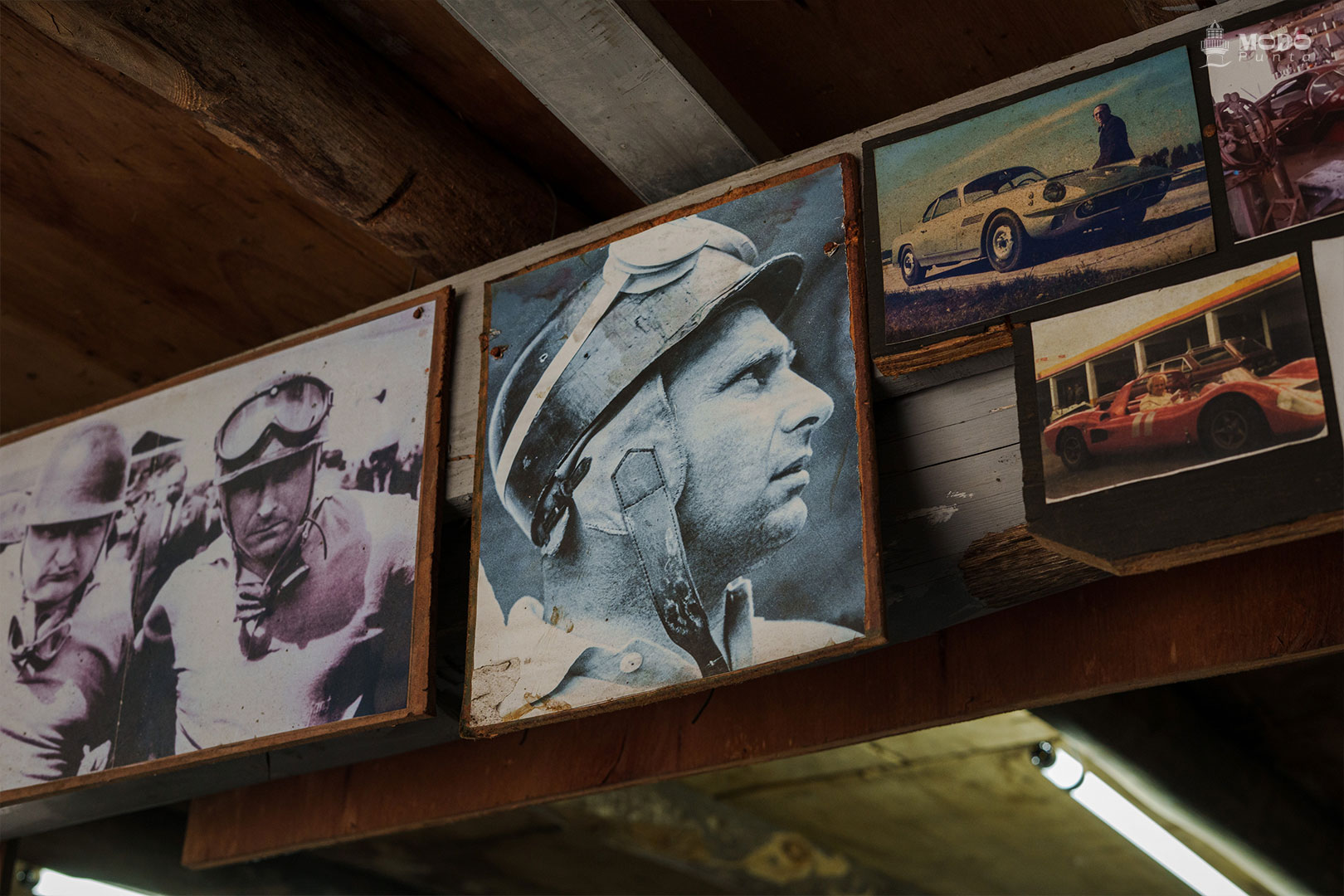
His connection to motor racing runs in the family. His grandfather, also named Nicolás Dellepiane, founded the C.A.S. (Club de Automóviles Sport de Argentina) in 1948, together with his great-uncle Roberto “Bitito” Mieres, and the C.A.C. (Club de Automóviles Clásicos) in 1967. Mieres, his grandmother’s brother, raced in Formula 1 for Maserati in the 1950s and also competed for Porsche, Gordini and Volvo. His father, Ito Dellepiane, raced on weekends at circuits such as Gálvez, Mouras and Villa, and Nicolás went along from a young age.
“Passion comes the first time you see a car that catches your eye,” he sums up.
The origins: historical photos from Nicolás Dellepiane’s archive
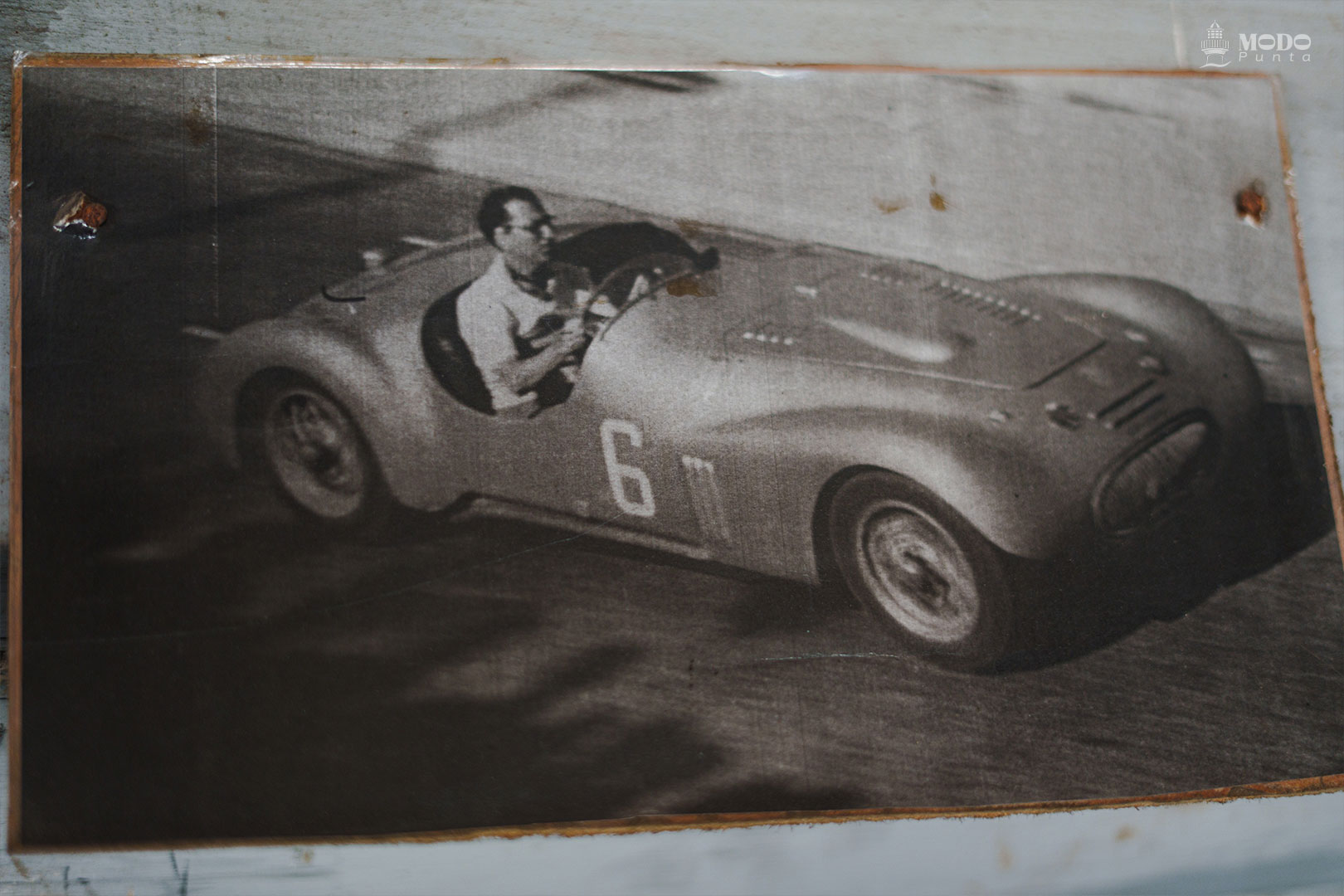
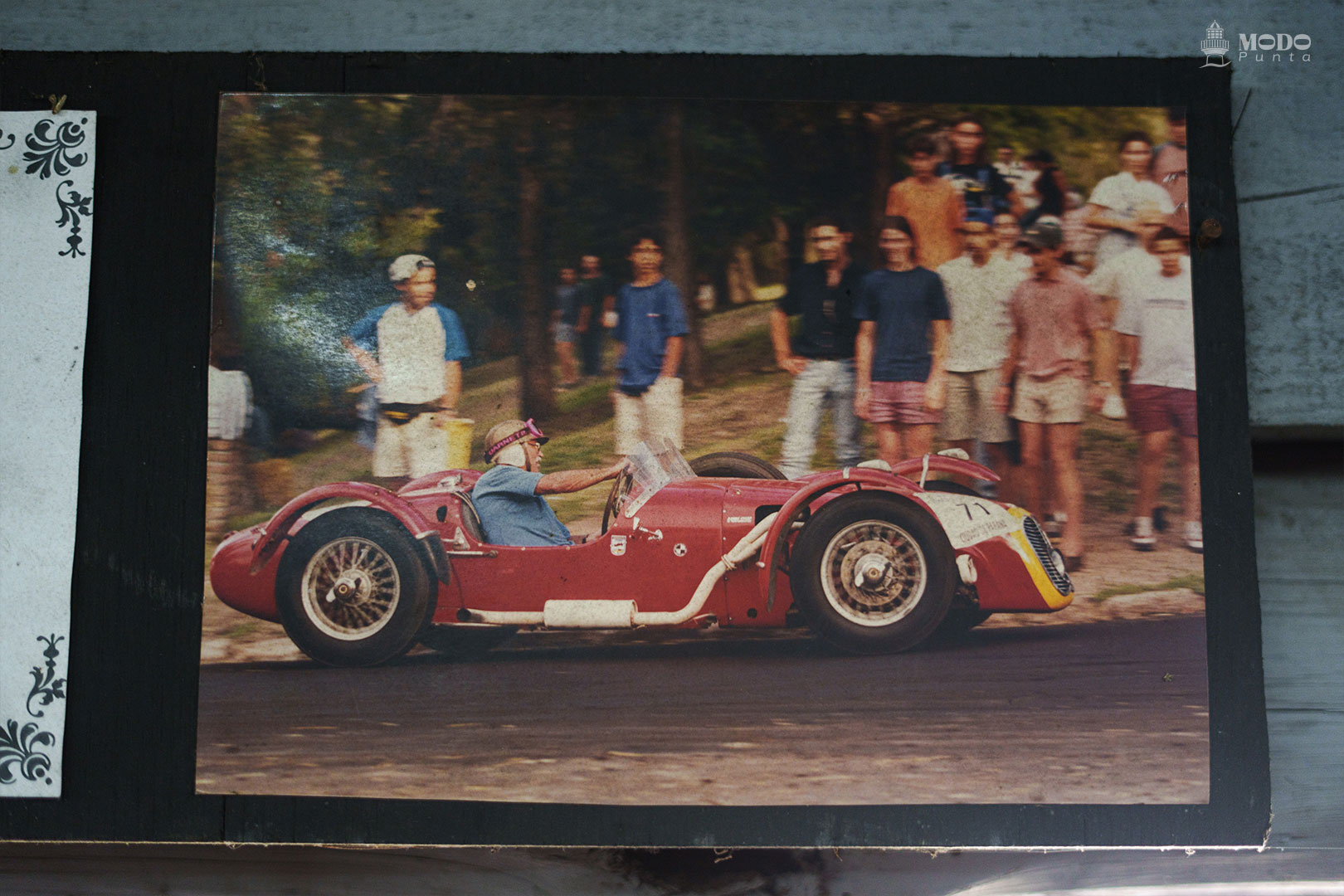
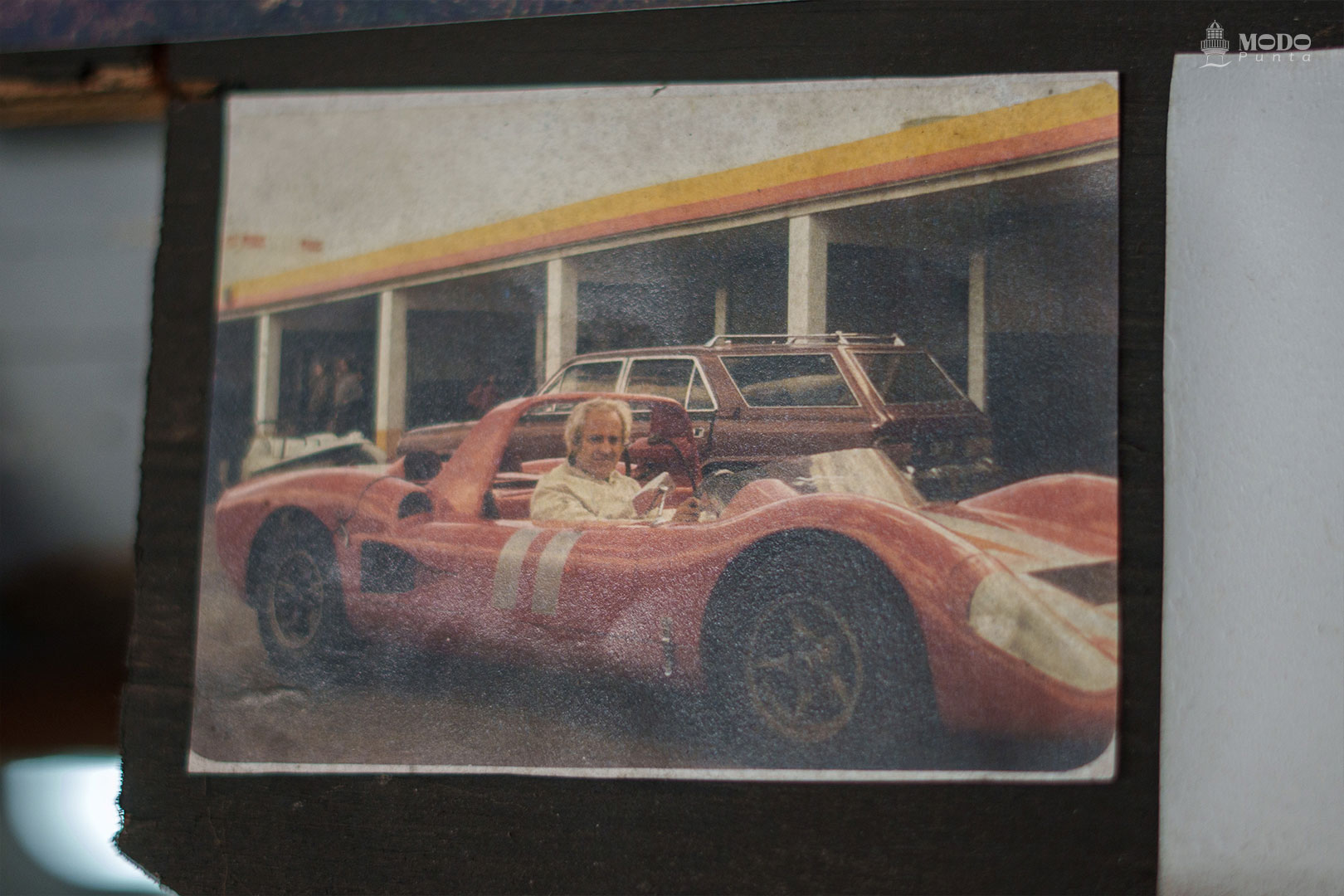
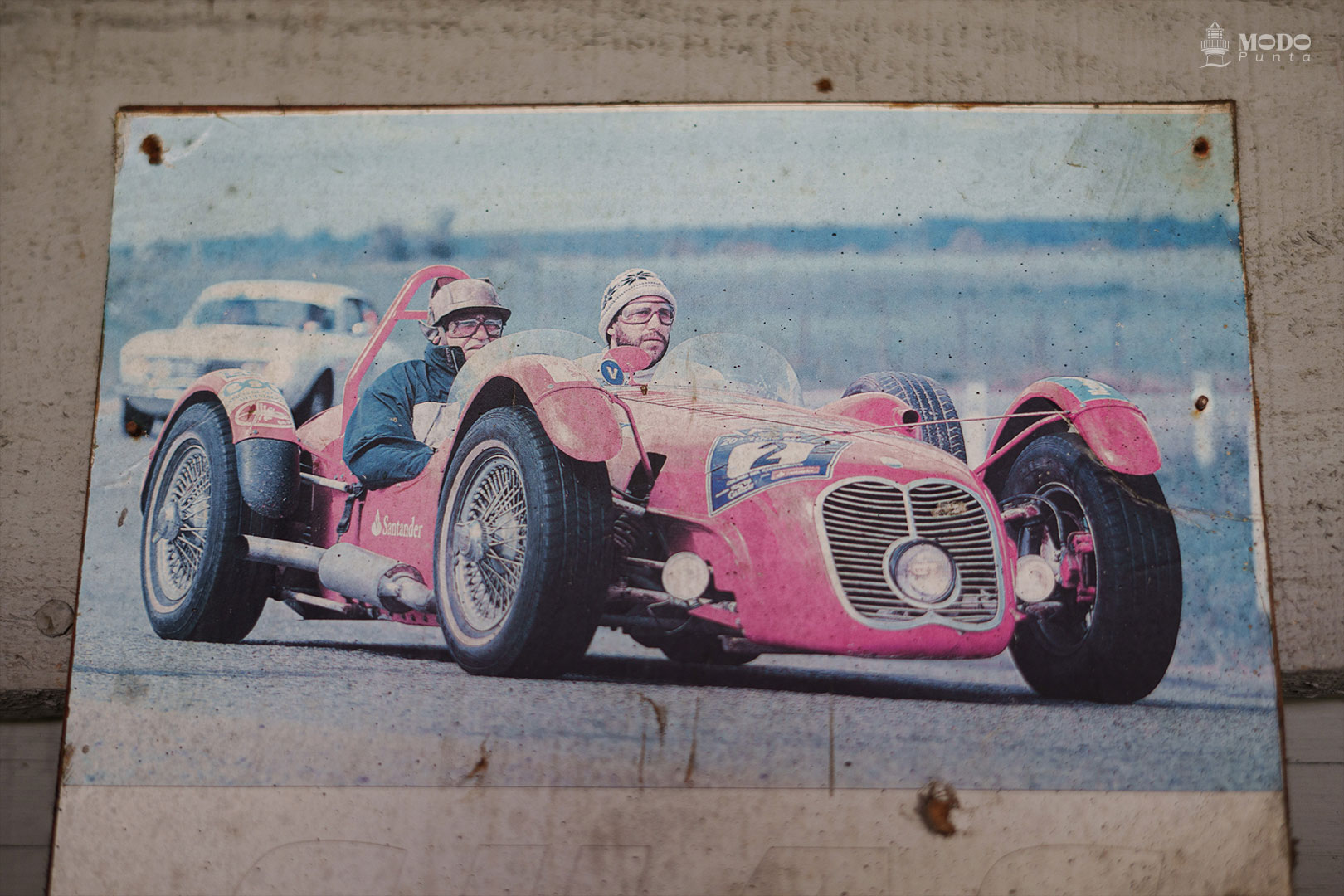
From architecture to mechanics
His grandfather and his father were architects, and that was his first choice. After finishing secondary school he changed course: he studied two years of Mechanical Engineering in Argentina, took courses at the Instituto Tecnológico de Motores (ITM) and joined Pur Sang, Jorge Anadón’s factory in Paraná specialized in Bugatti replicas. There, he says, motor racing came to take up his entire professional life. Today that background translates into his work building sports cars and maintaining classic cars.
A club with a racing spirit
The Racing Club was founded in mid-2012. Until then the city had the Sporting Classic Car Club, active since the 1990s, which stopped operating when it lost its clubhouse. Dellepiane proposed to his father creating a new institution modeled on the first Argentine clubs: races in towns, squares closed to traffic and driving-skill trials. “Here they only did regularity rallies,” he notes.
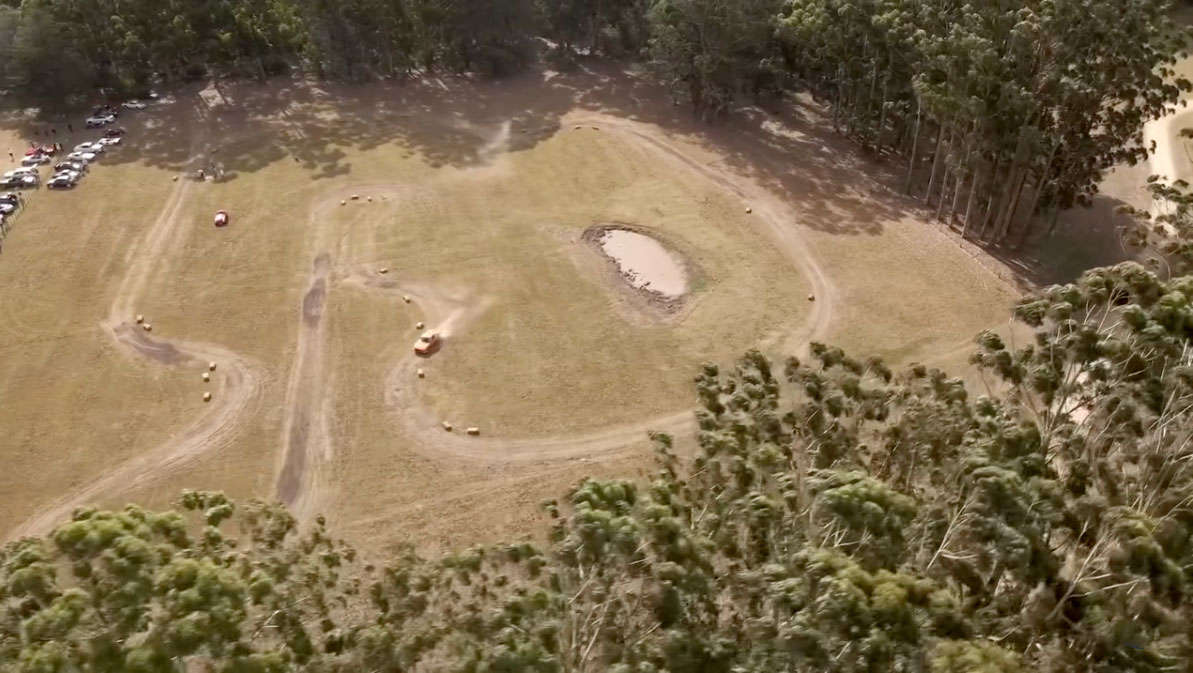
Today the club has 35 members, meets every Thursday, organizes three major events a year and has a dirt track where races are held at night.
Admission is by invitation. A member introduces the candidate at one of the meetings, the applicant attends a few times and, if there is affinity with the group, receives the formal application. The admission criterion puts personal profile ahead of the vehicle, which can be a classic, a modern sports car or a pre-war car. The only exception is Miguel Frenkel, over 80 years old, a friend of the family and a member without a car.
Among the club’s cars are a Lancia Aurelia B20, a Maserati Monofaro, a Lotus Seven, Mustangs and Jaguars. The most singular story is that of the Bristol that member Orlando Radi brought from Paraguay: it had belonged to Dellepiane’s grandfather, who used it every day.
Toda Flor Classic
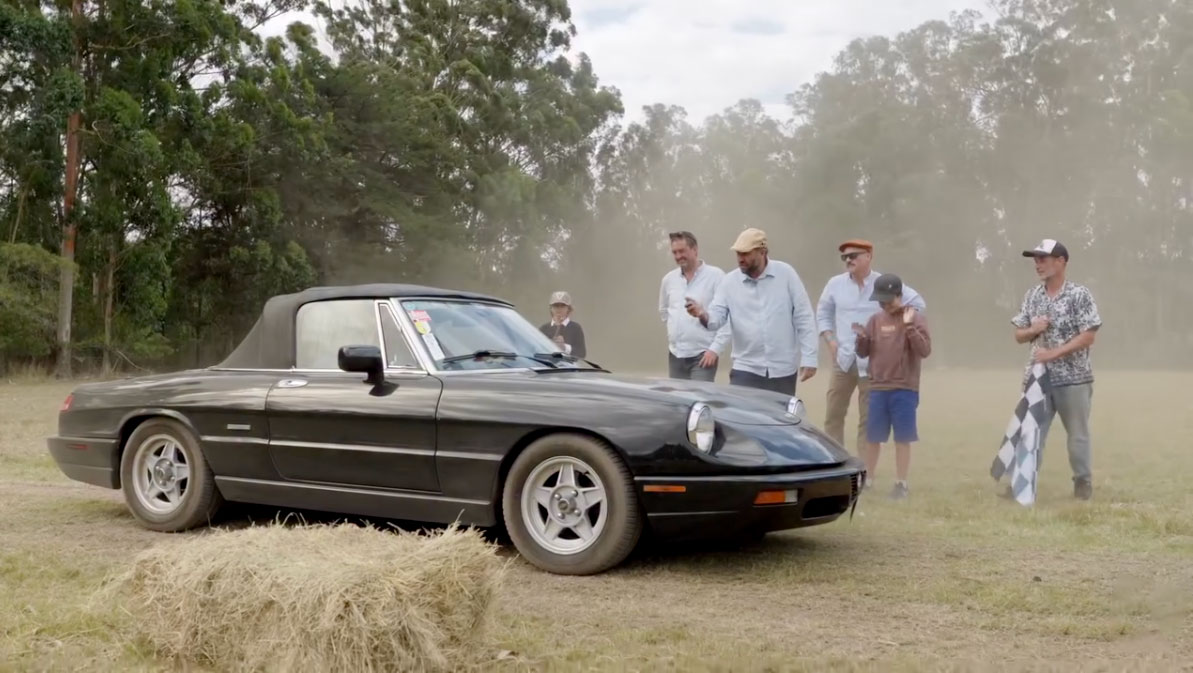
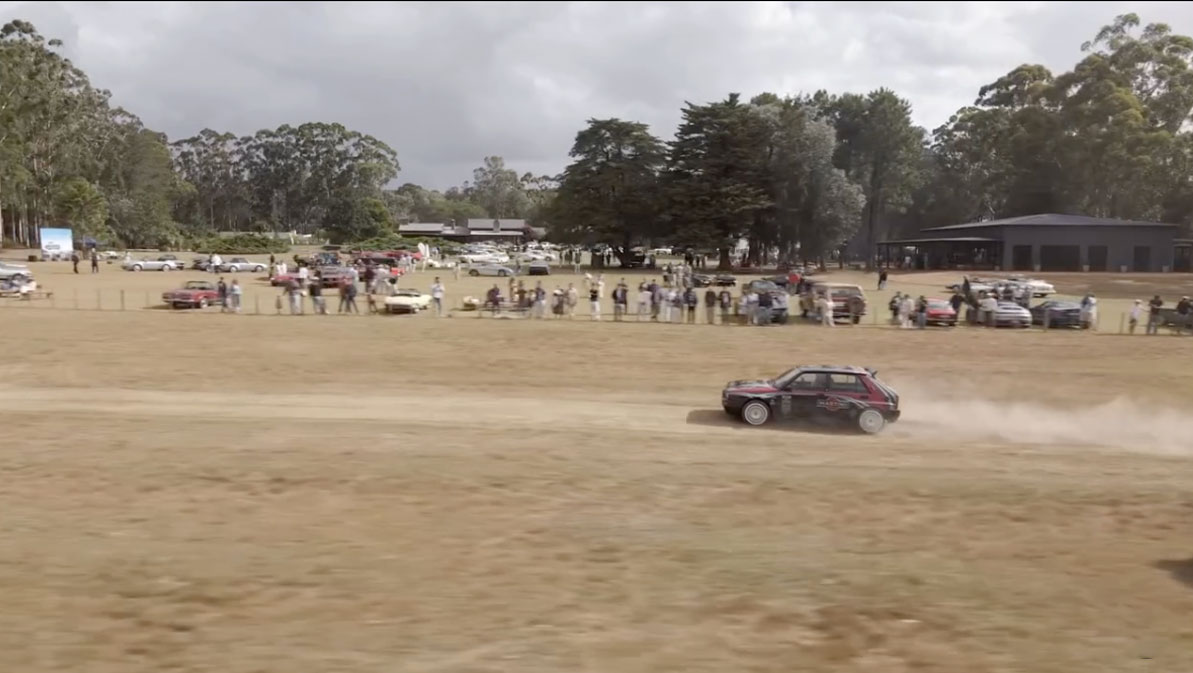
Separately from the club, Dellepiane organizes the Toda Flor Classic together with Máximo Baccanelli, now in its seventh edition. It takes place on the first weekend of January and is a one-day concours d’elegance. A jury judges by category, and a driving-skill trial on dirt awards additional points to participants.
Cars up to the year 2000 compete in four categories: pre-war, 1940–1960, 1961–1980 and 1981–2000. Later models may be exhibited but do not compete for prizes.
Why Punta del Este
Dellepiane places the advantage of the area outside the summer circuit. As he explains, in high season the city gets congested, but a few kilometers inland there are well-kept roads with little traffic and few checkpoints. He compares it with Monterey Car Week, which he attended recently: there, he says, mass traffic and strict controls limit the enjoyment.
The workshop
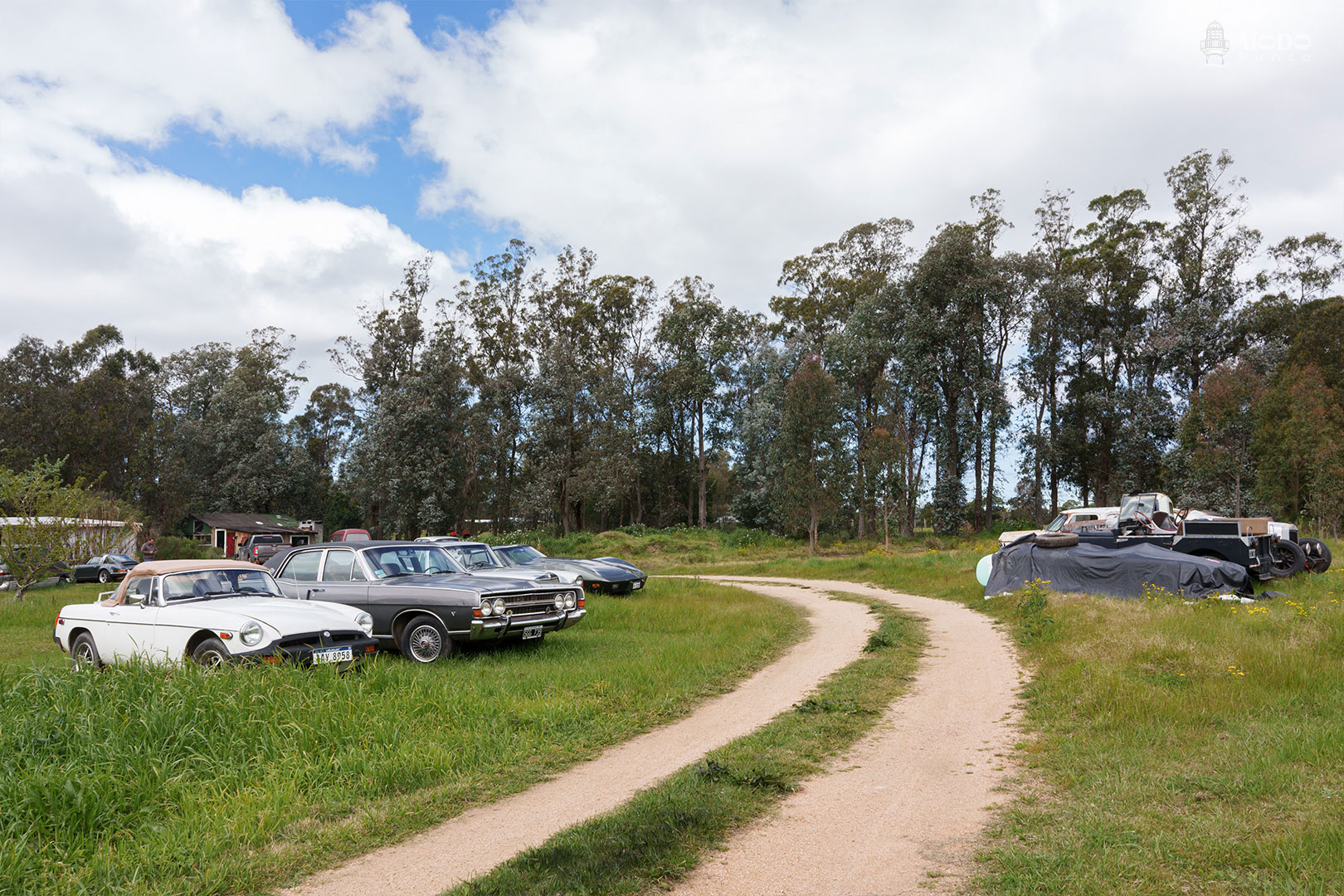
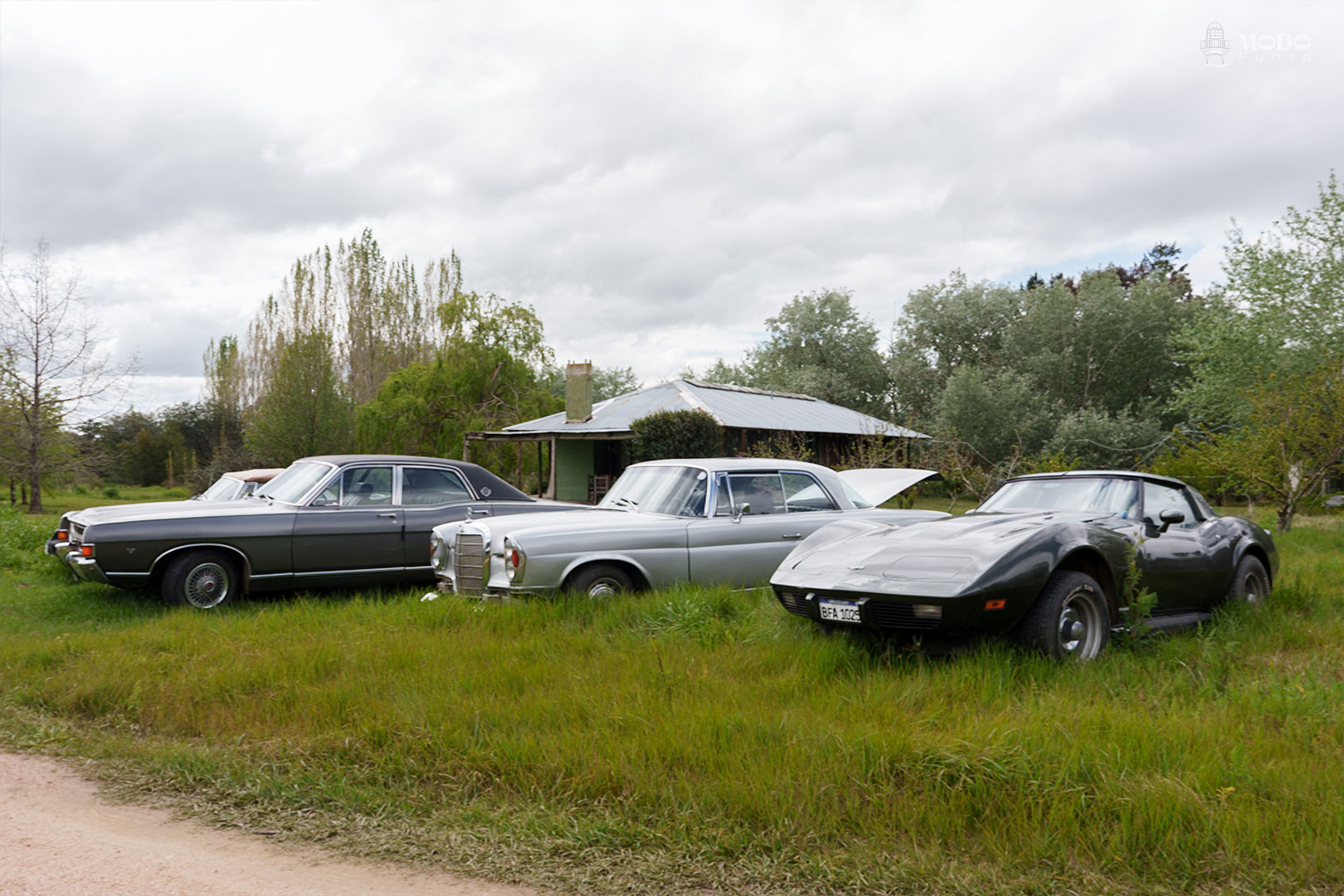
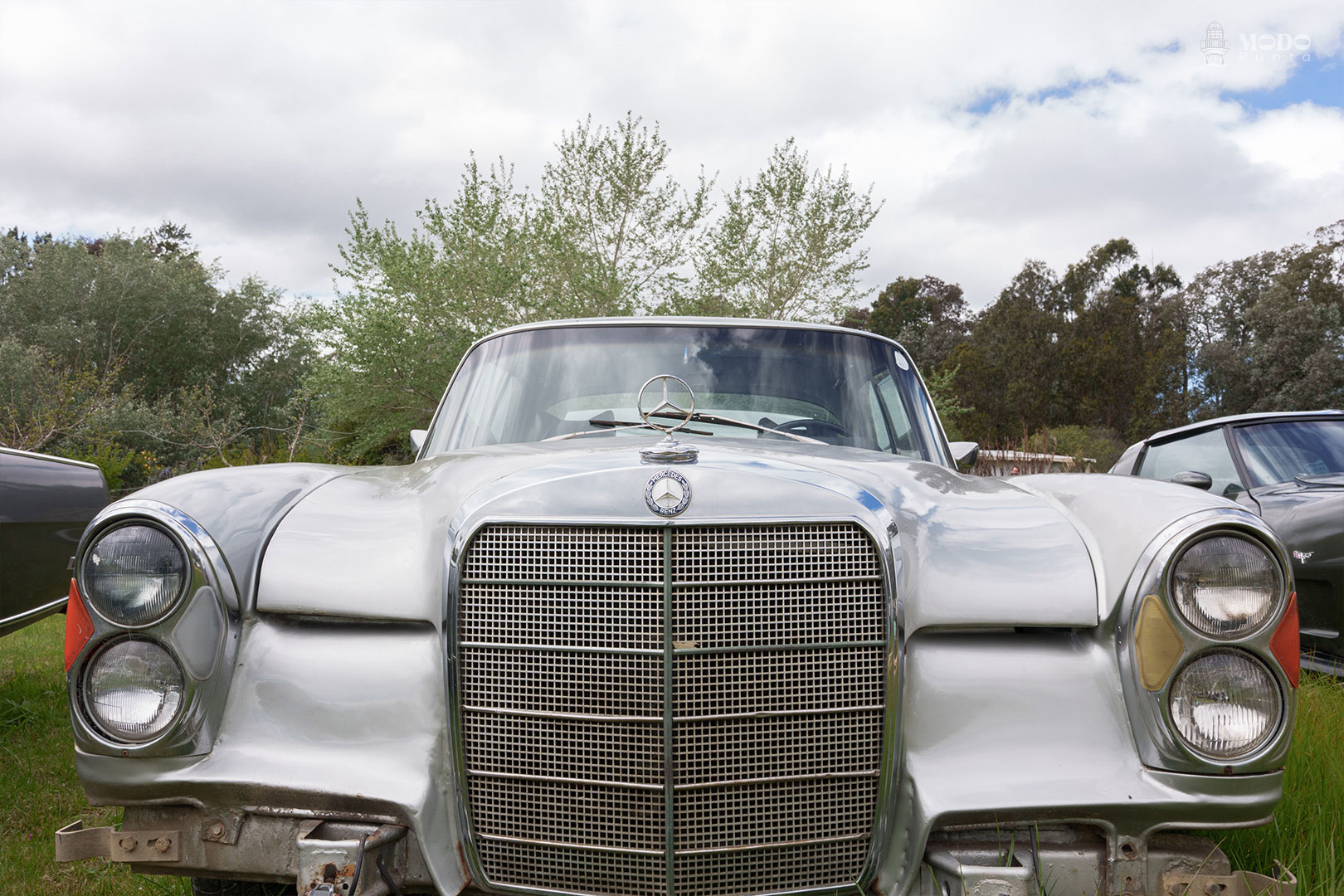
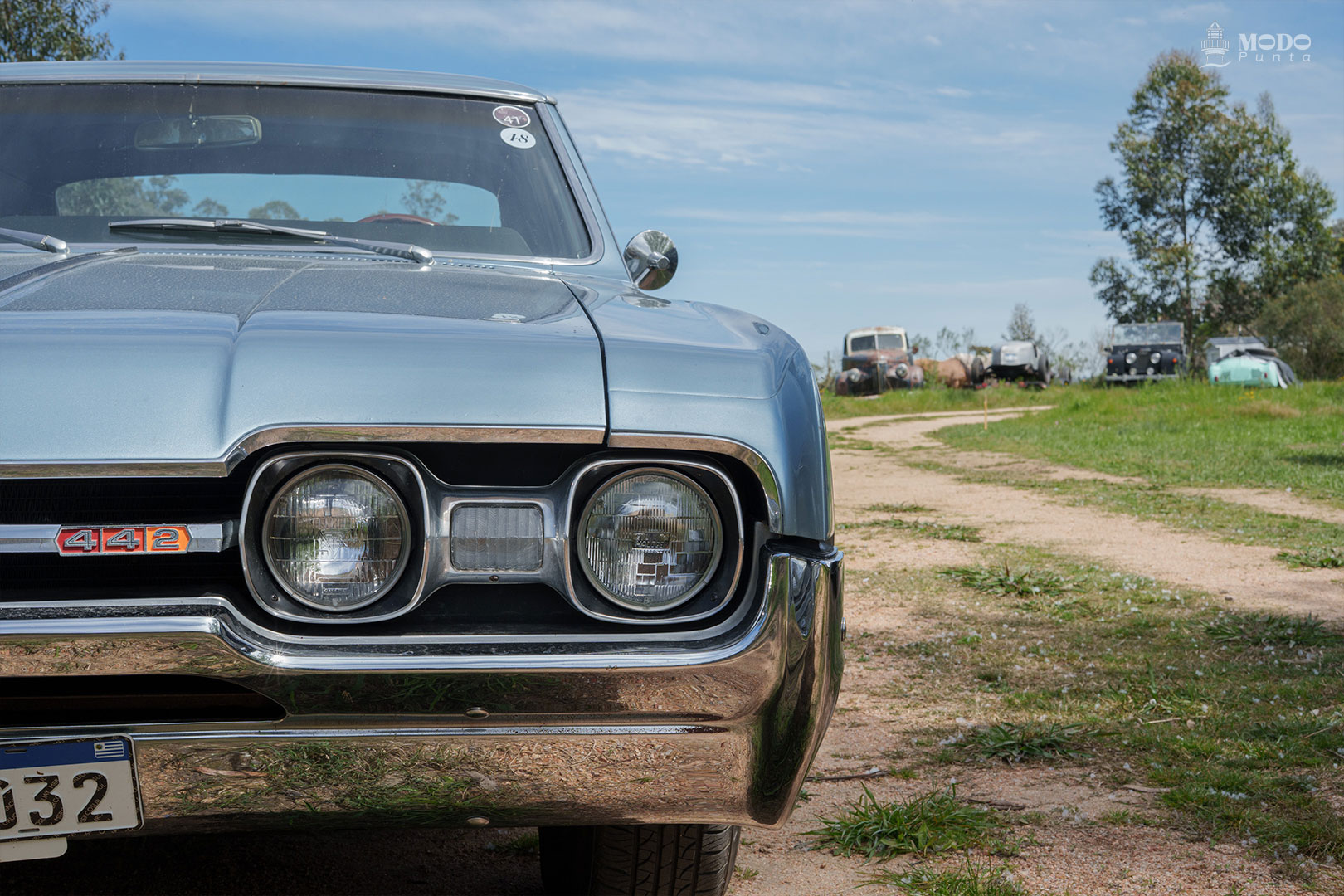
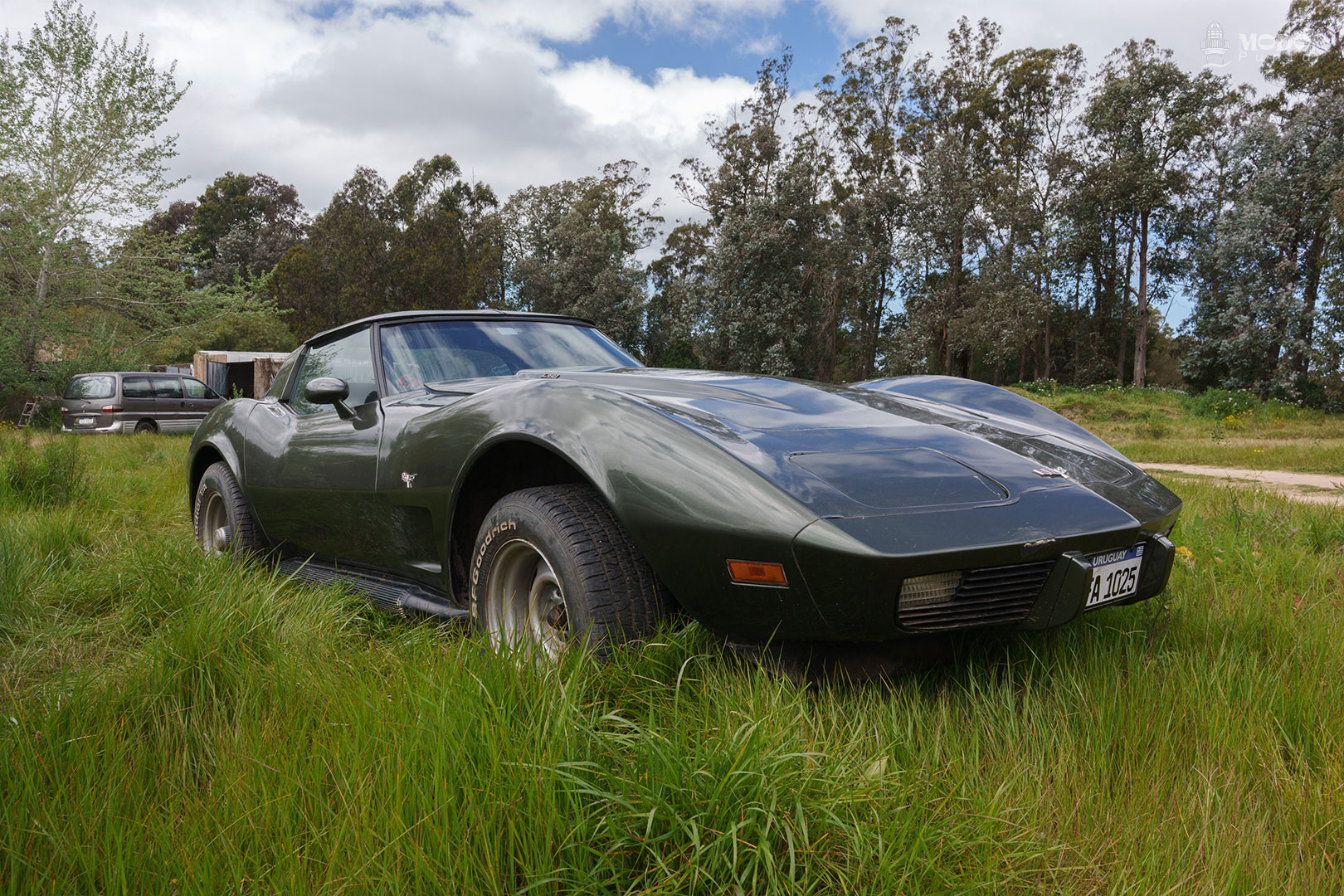
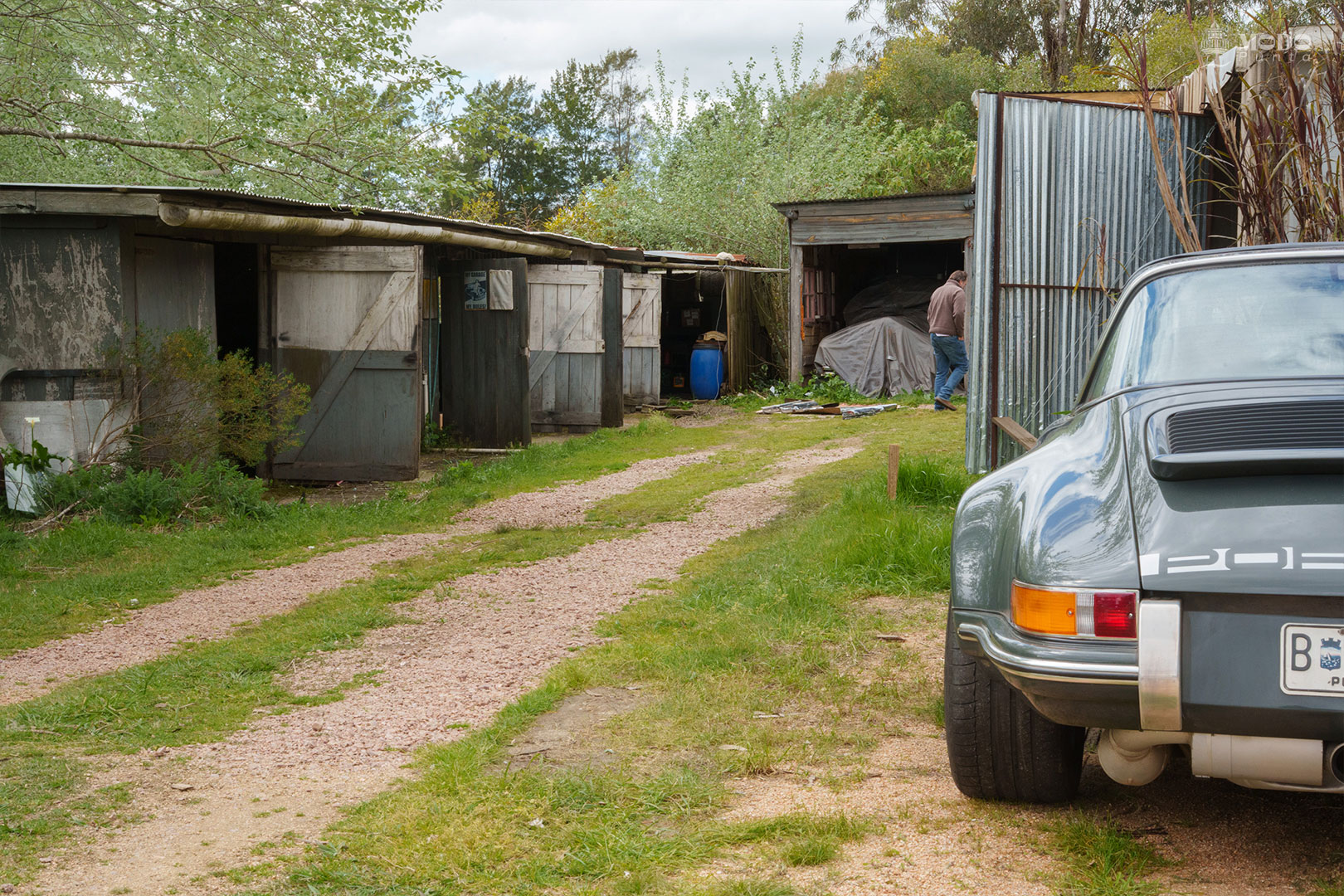
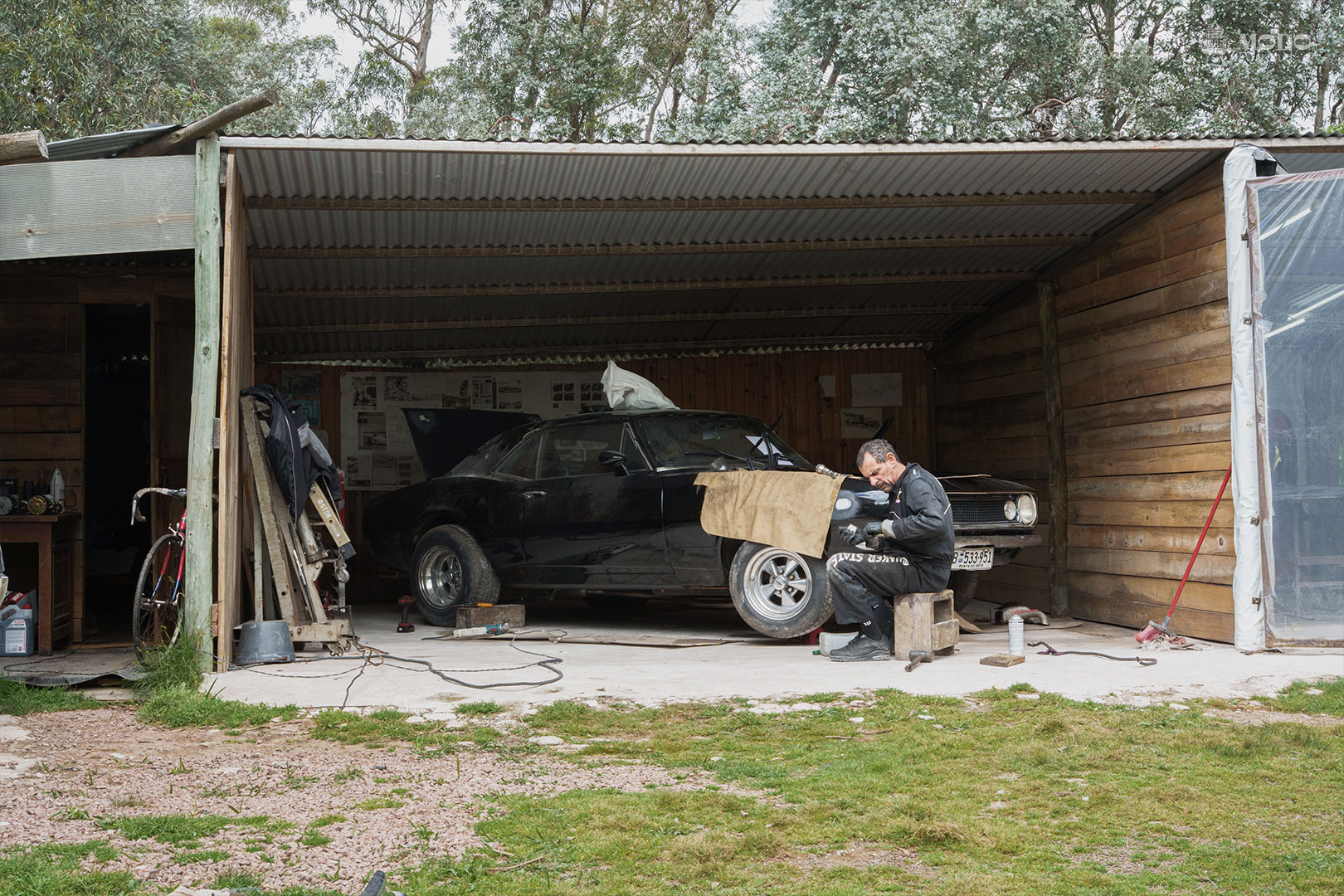
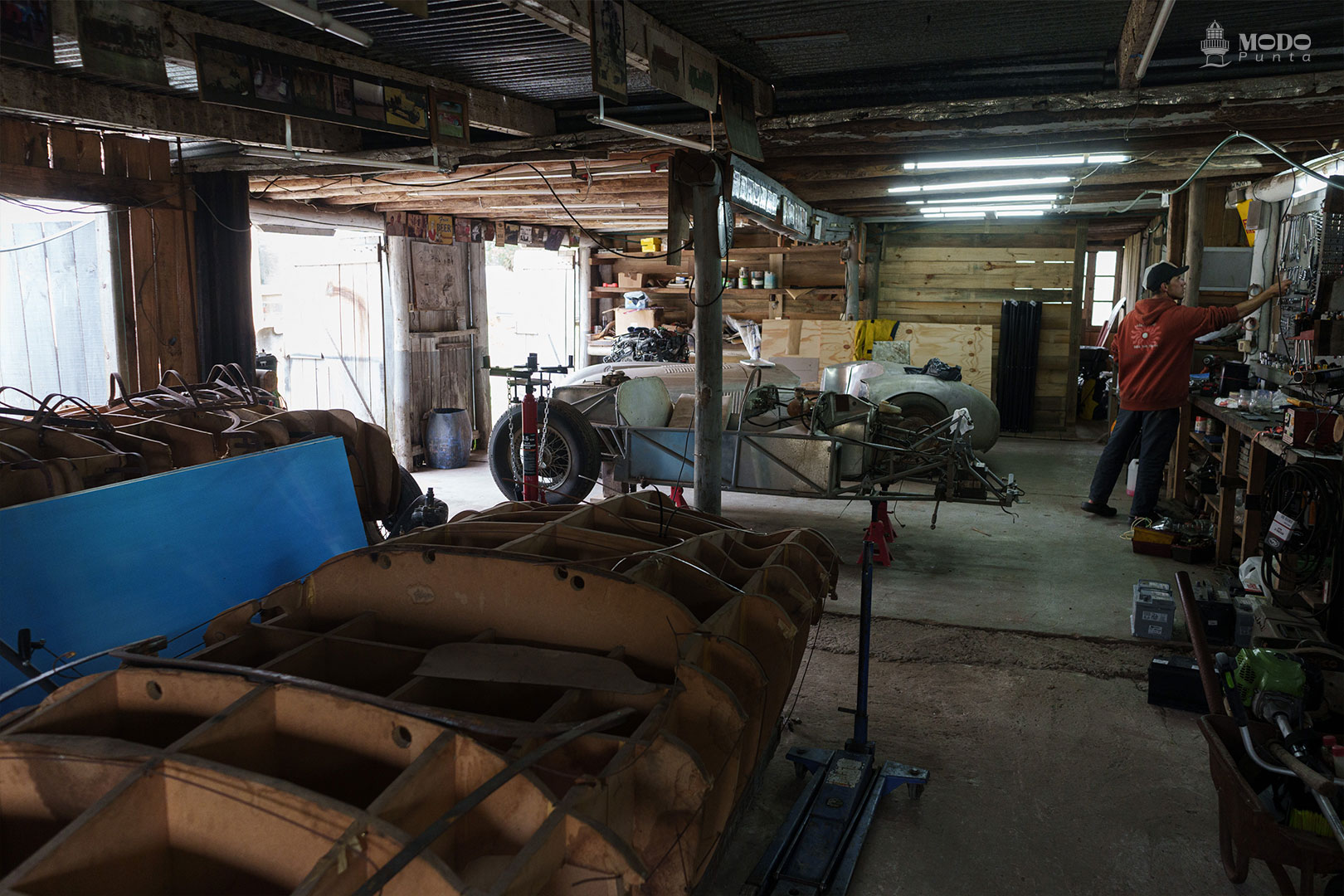
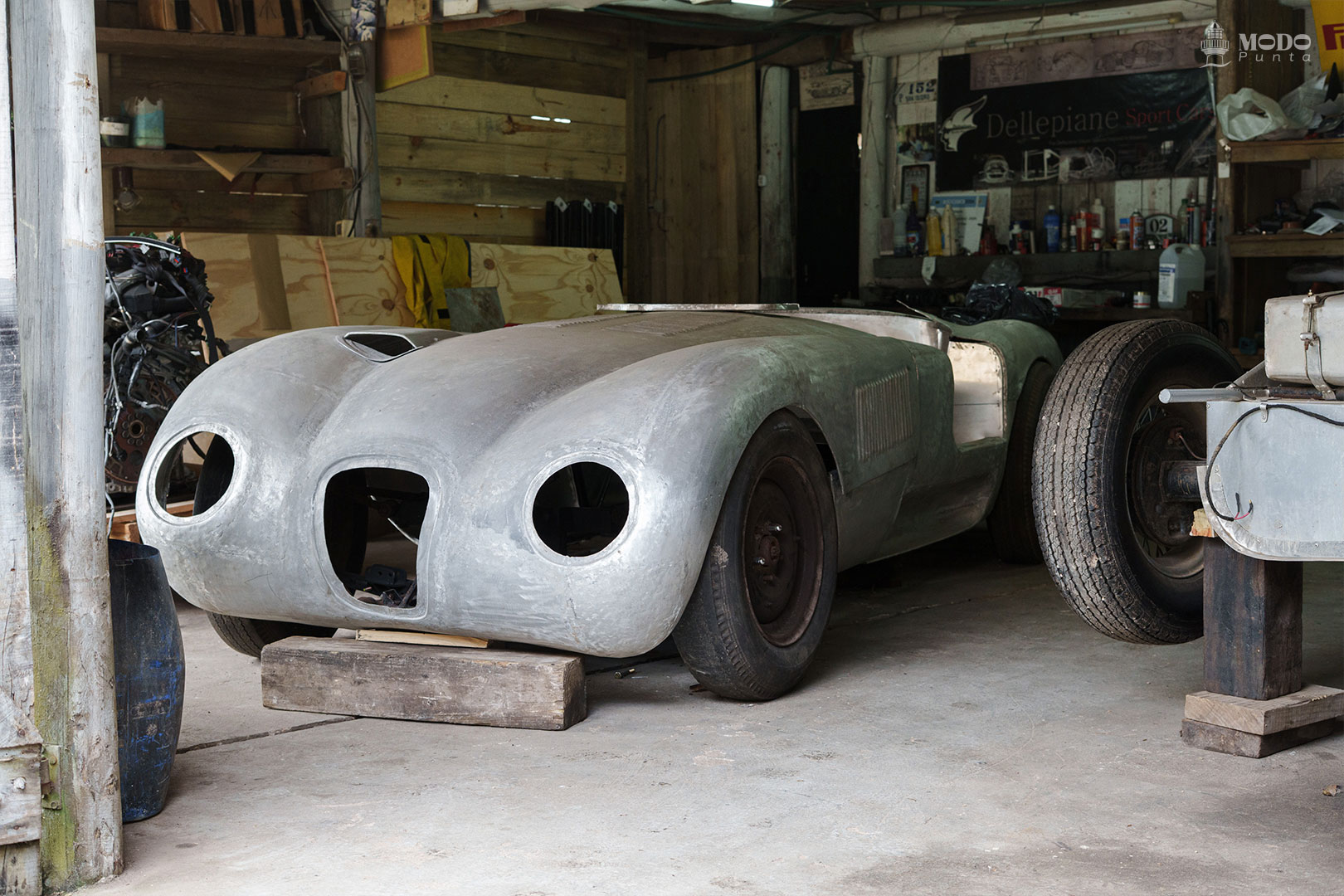
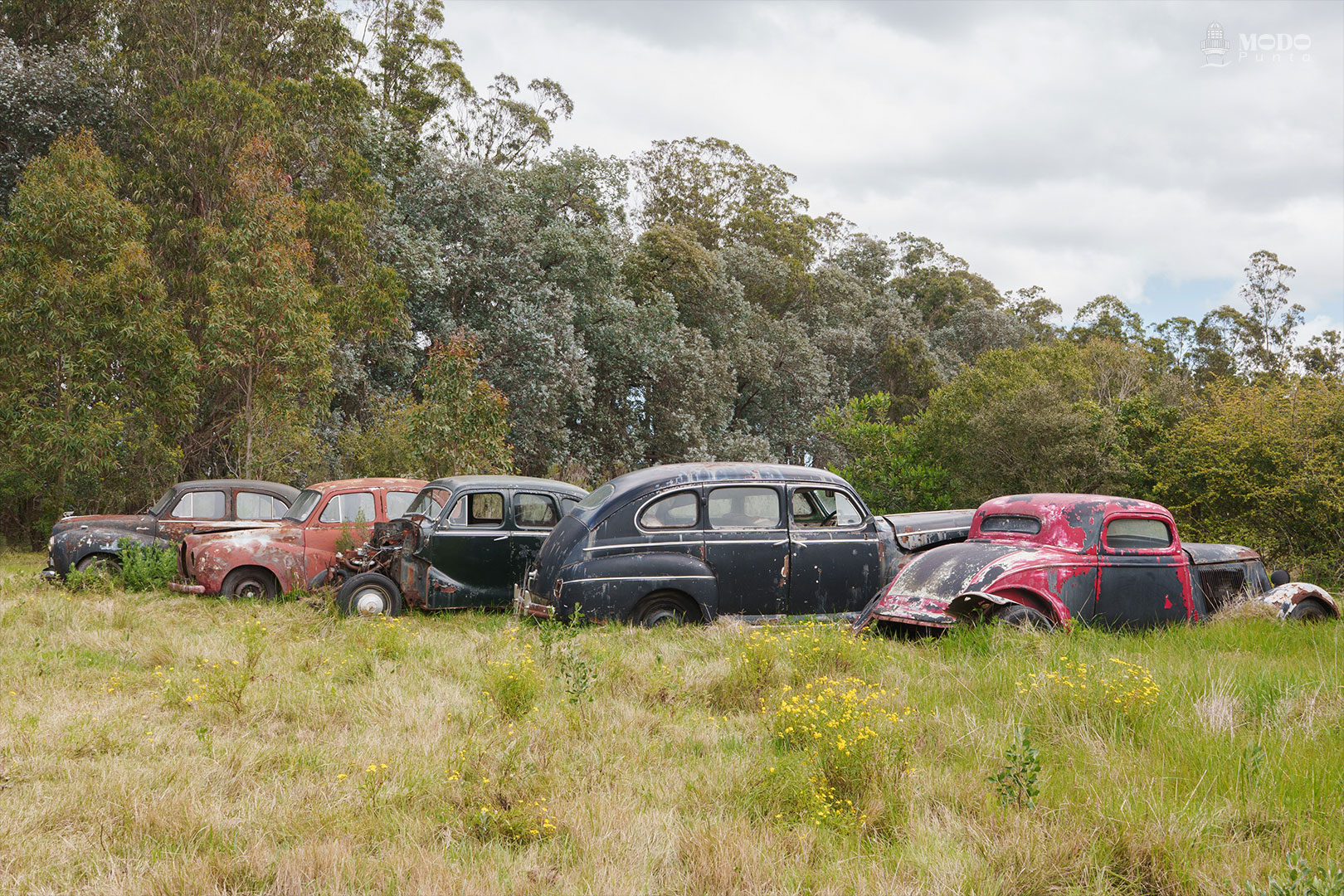
After the interview, Dellepiane took the Modo Punta team to his workshop, a little further up the same farm. Classic cars are rebuilt there, many of them one-off pieces. For an enthusiast, it is a place hard to match. The work is spread across separate areas and several vehicles progress at the same time. Dellepiane walks through each section and checks progress with the mechanics on his team.
Inside the workshop: cars under restoration and the team that rebuilds them
Dellepiane’s career shows how a family tradition can become a meeting place for a community with a shared interest. We thank Nicolás for welcoming us into his home and his workshop.
The activity of the club, the workshop and the events can be followed on Instagram:
Have a story to tell? If you run a project, a craft or an activity in the East and want to share it, write to us at info@modopunta.com.