Eight years after trading Idaho’s mountains for Punta del Este’s ocean, Joy Kopp helps American expats and newcomers find the friends, answers and first steps every move requires.
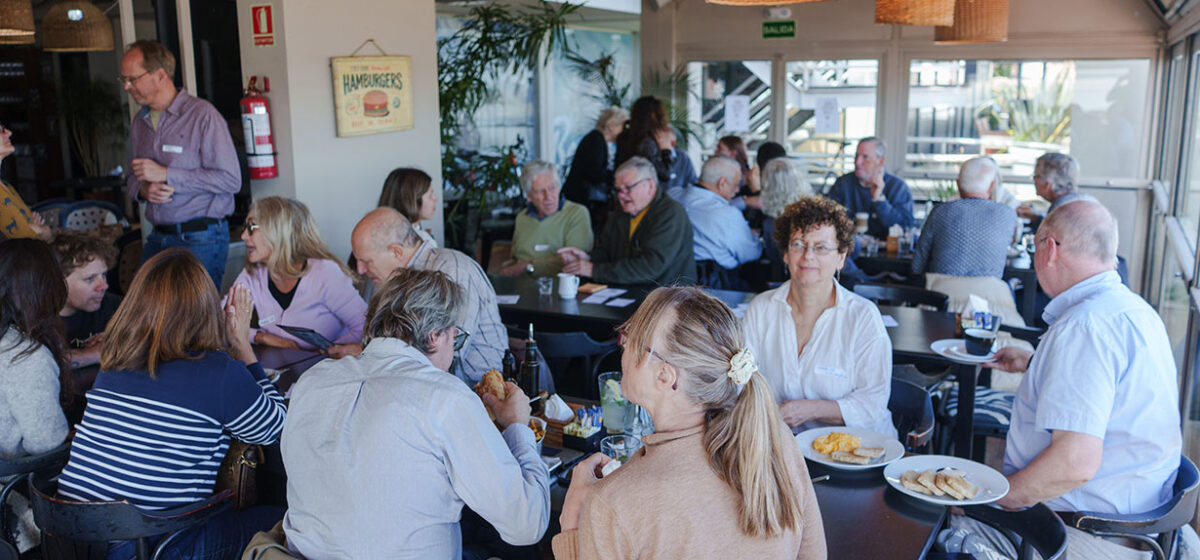
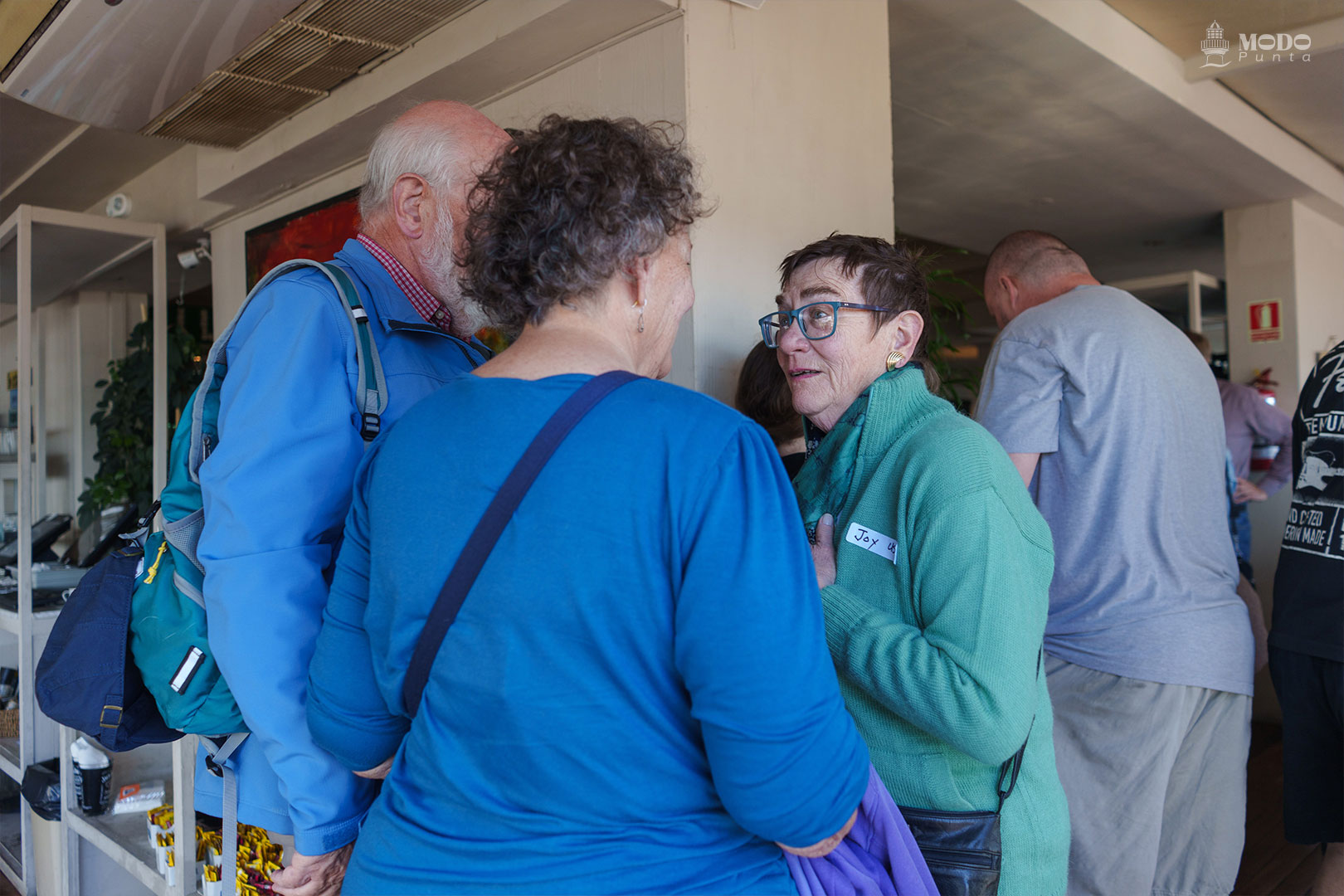
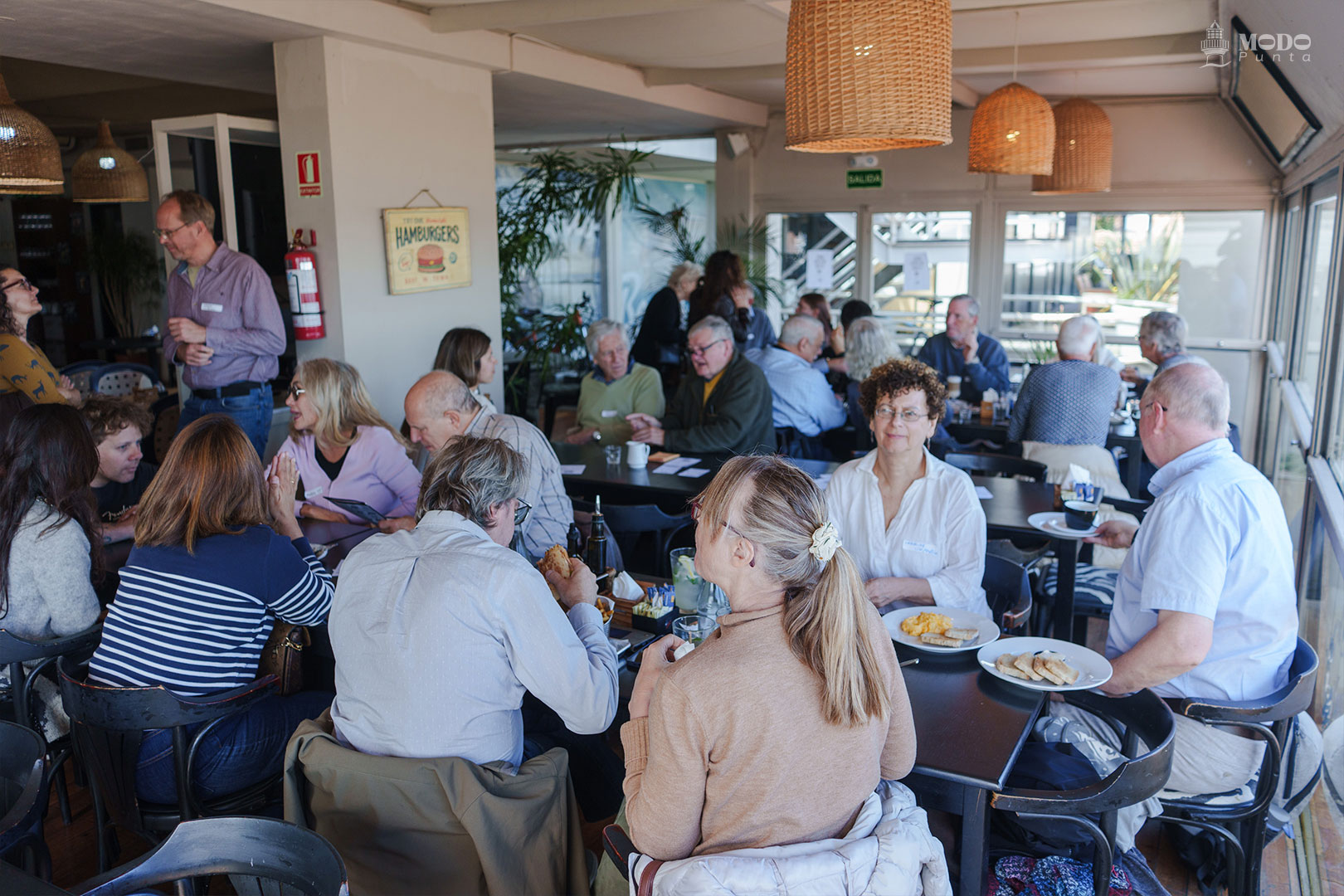
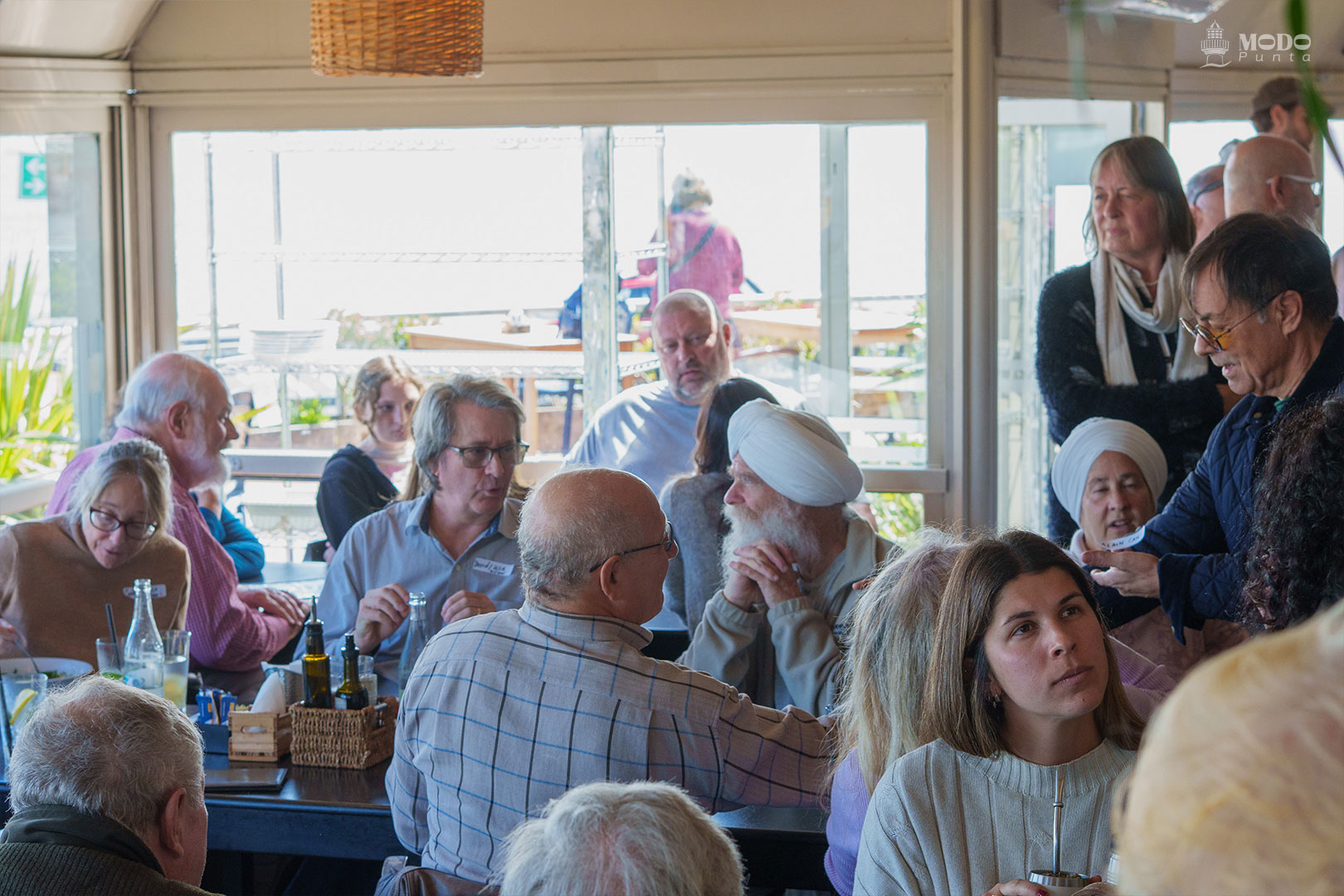
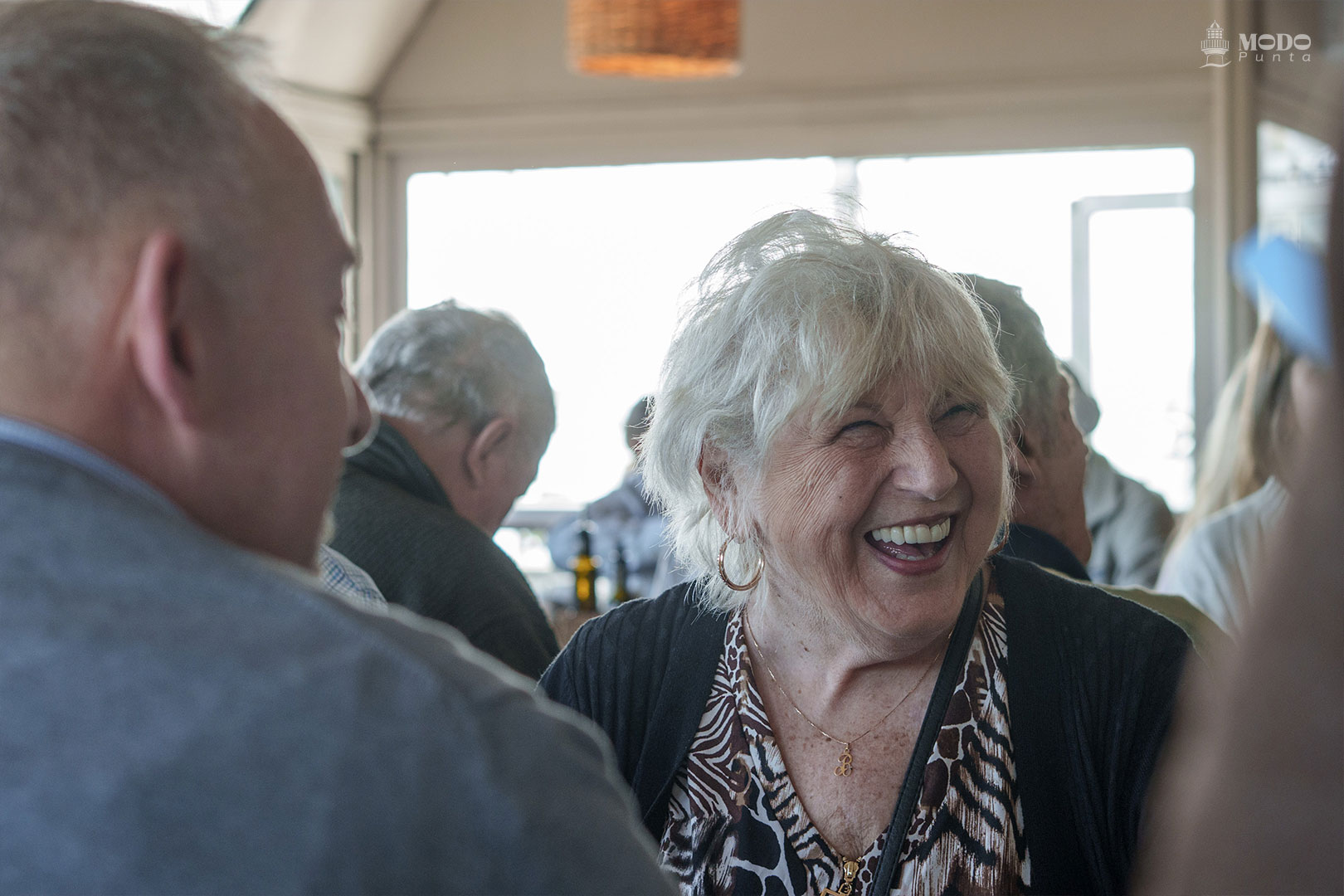
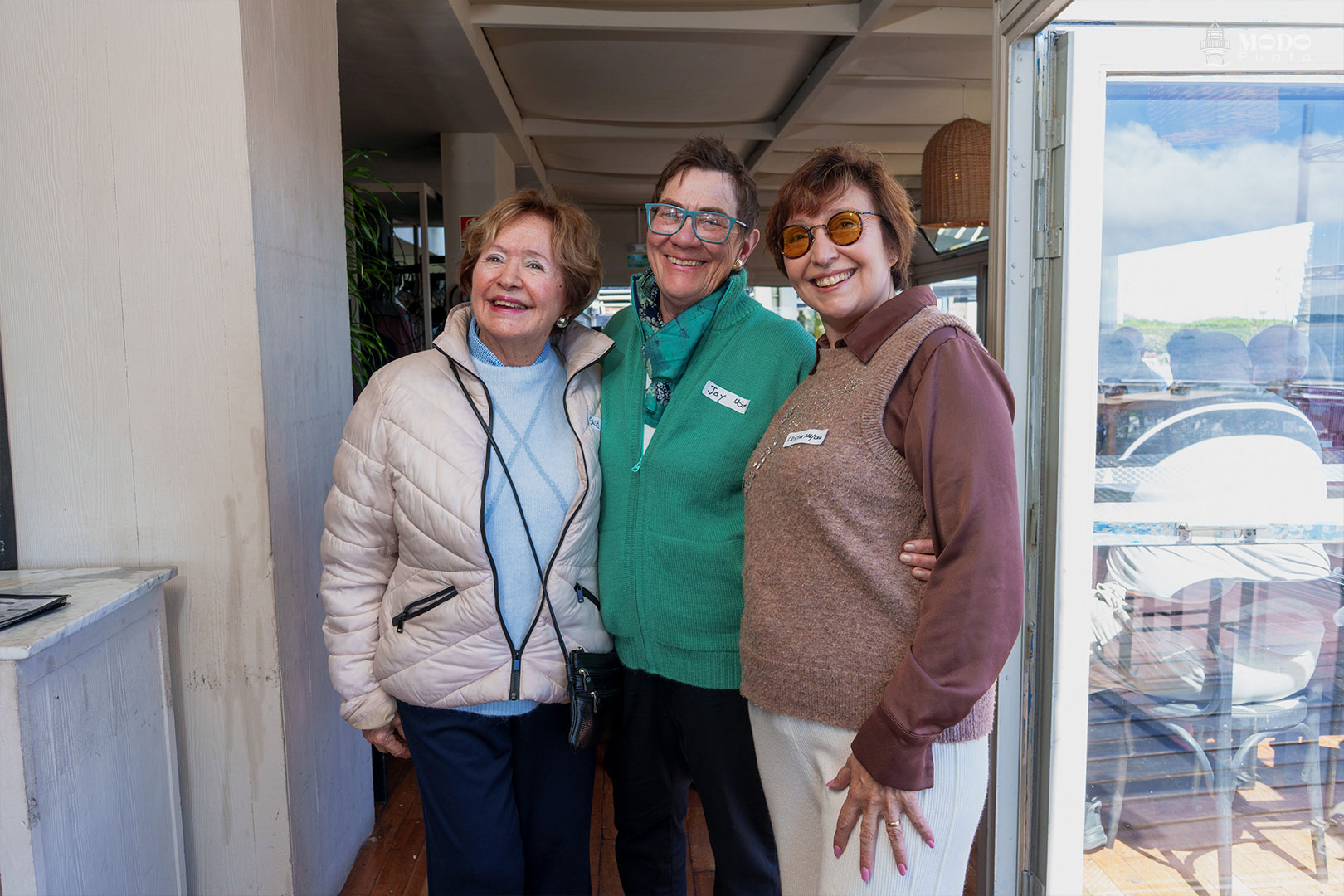
At a recent gathering, about 30 expats sat down together at Chill Out, a restaurant at the Punta del Este port, to do what the group has done for two decades: swap stories, meet new faces and ask the questions no guidebook answers. Some had lived in Uruguay for years. Others were still deciding whether to move.
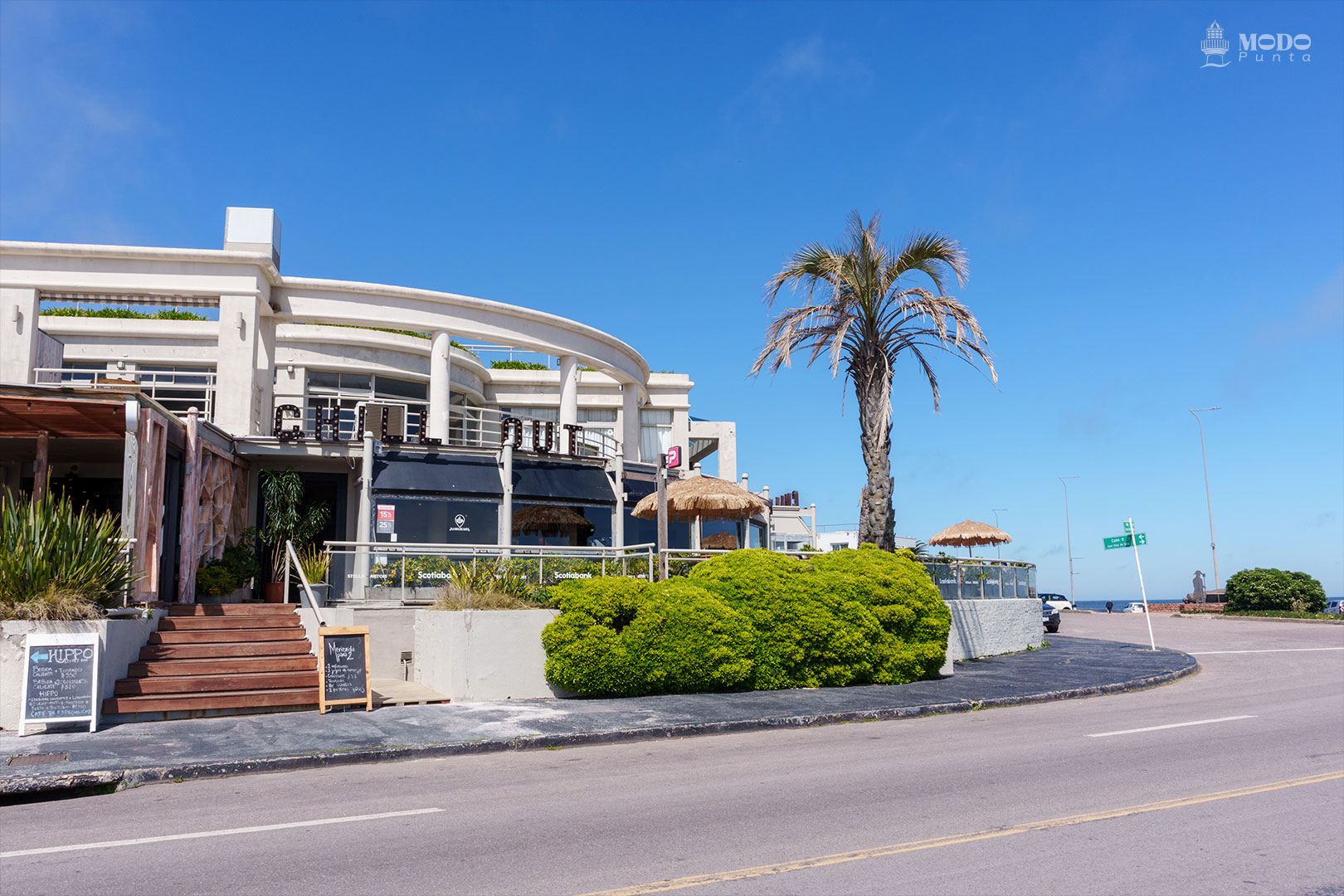
Chill Out stands at the corner of Juan Díaz de Solís and Rambla Artigas, with a terrace over the marina and a Mediterranean and South American menu. Modo Punta, which attended the event, found the service attentive and the food very good.
A story that starts in Idaho
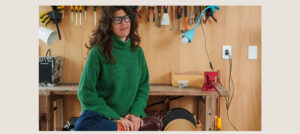
Joy Kopp is from Boise, Idaho. She and her husband have lived in Punta del Este for eight years. “I’m from Boise, Idaho, where it’s all mountains. No ocean,” she says. “And I now live in Punta del Este, where it’s all ocean. No mountains.”
The couple had decided they wanted to live somewhere else in the world. They first looked at towns across the United States and found none that suited them, then widened the search to Central America and, eventually, South America. They arrived in Uruguay for a month to look around. “We liked what we saw,” Kopp recalls, “and went back to the United States and sold everything”: the house, the cars, the businesses and most of what they owned.
The hardest part: paperwork and language
In Kopp’s account, the most difficult stage of settling in was administrative. The forms required to obtain legal residence, or to build some other formal footing in the country for those who prefer not to, were unfamiliar. “That was very mysterious,” she says, “and language certainly was a big barrier.”
What surprised her, both on that first month-long visit and after the move, was the reception. “The simple friendliness and generosity of the people of this country,” she says. “If you ask for help you will get it. You probably don’t even have to ask for it and you get it.”
Daily life beyond the summer season
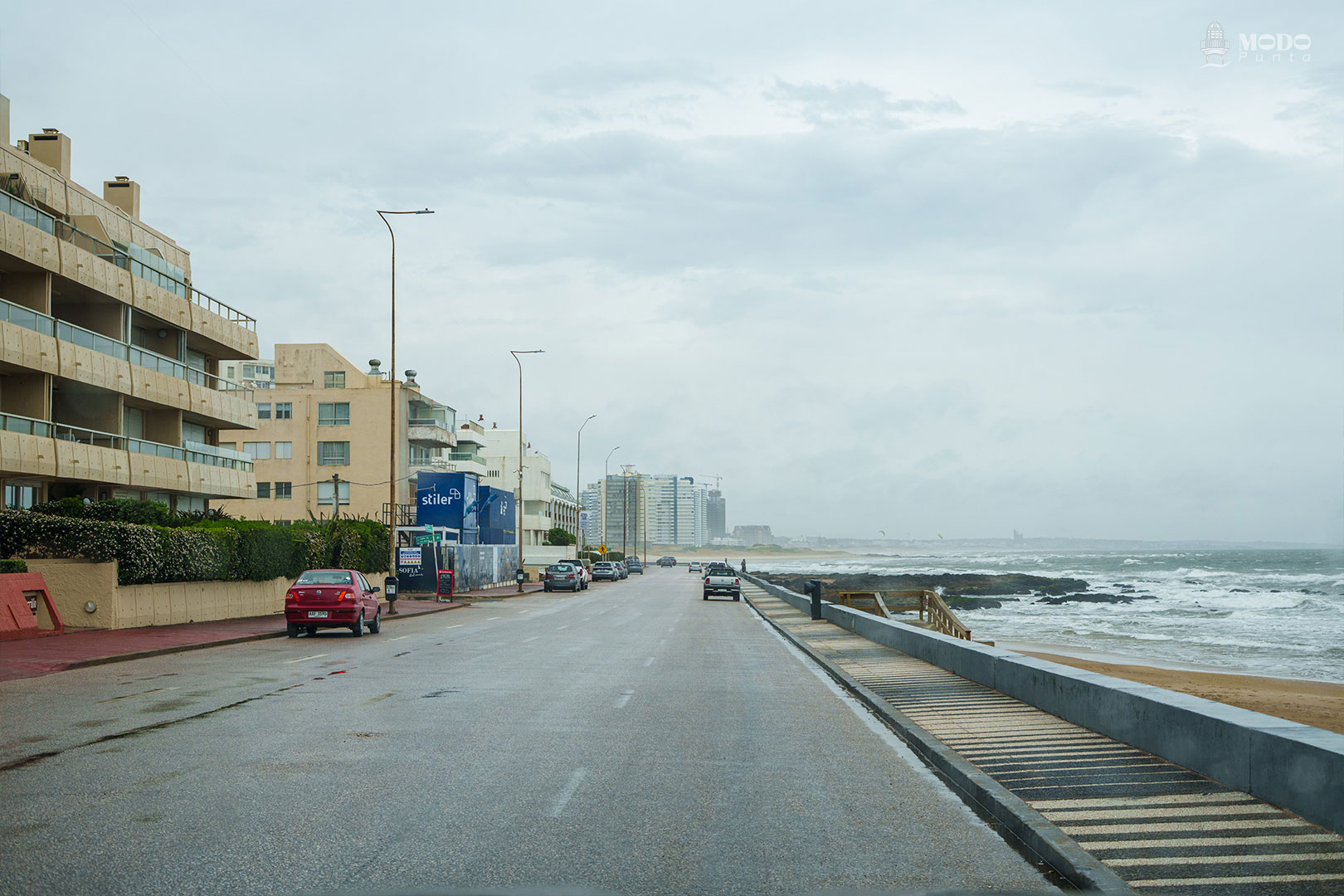
What Kopp values most is the off-season. “I personally love the dramatic skies in the winter,” she says. “It’s wonderful. It’s the light.”
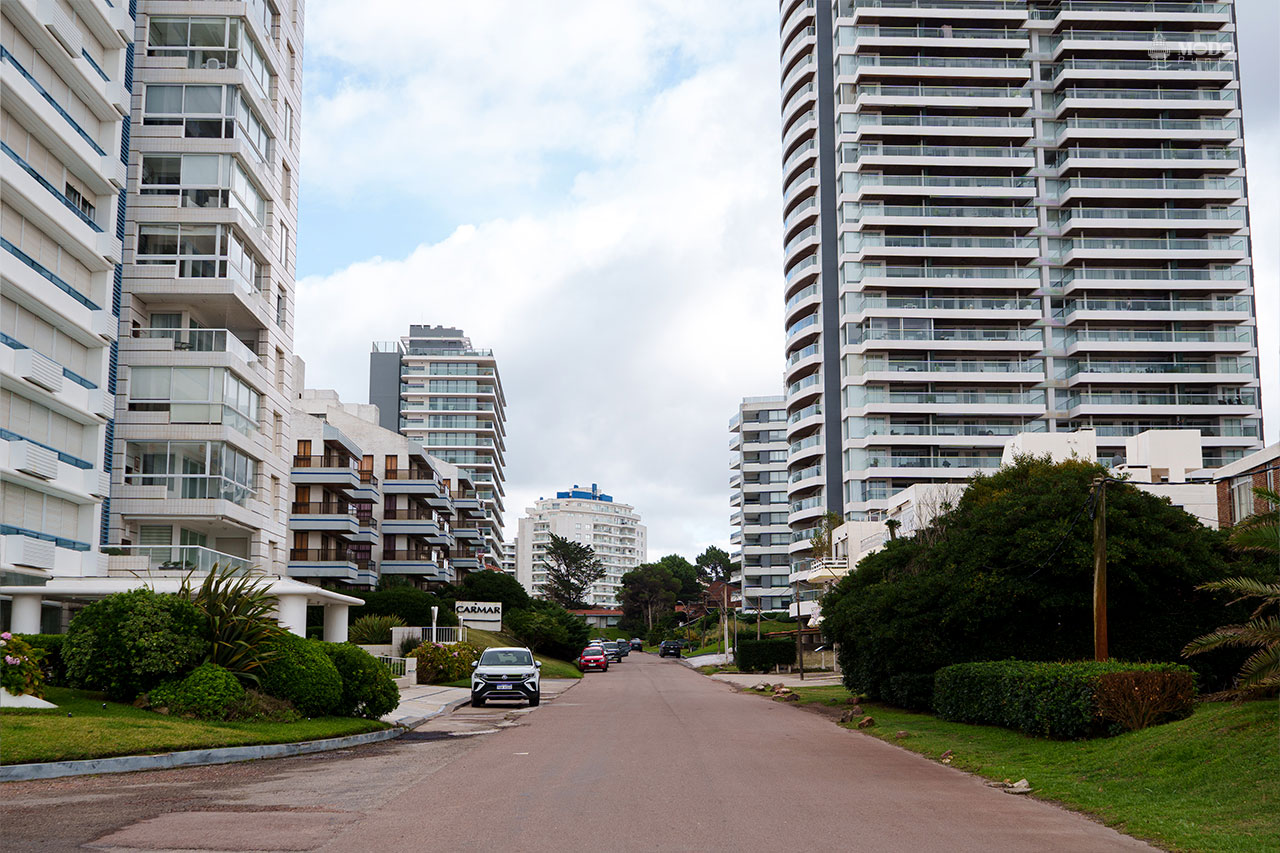
The couple also decided to test whether they could live without a car, and they do. They rely on public transportation, Uber or, in her words, “the kindness of strangers.” By her estimate, a town of around 12,000 people receives half a million visitors in summer, and traffic follows. She prefers not to drive in it.
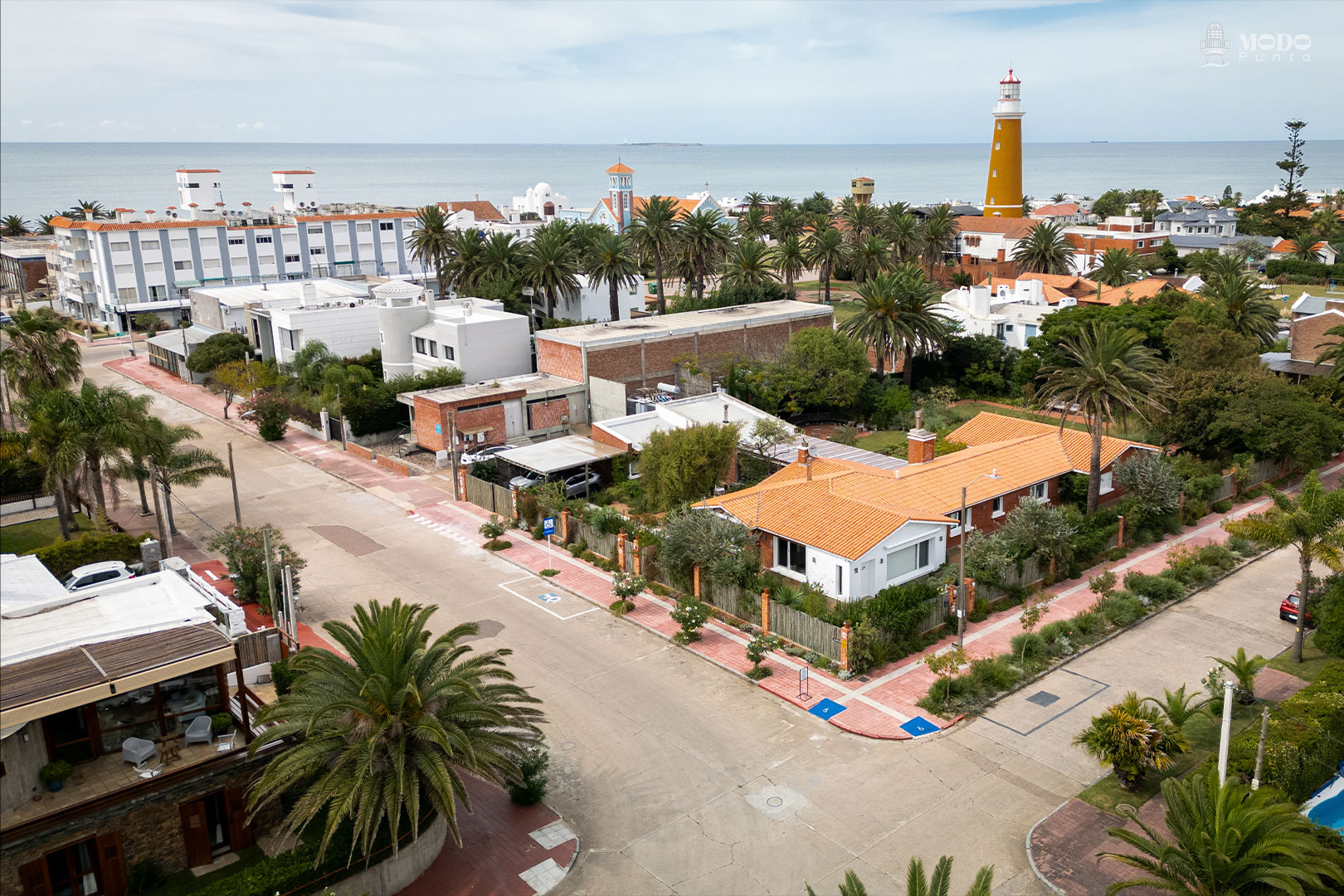
The rest of the year, she says, daily life resembles small-town living in the United States or, as she understands it, in Europe: frequent trips to the bakery and the farmers market for fresh vegetables. “It’s a healthy lifestyle because you’re moving, you’re eating fresh food, you’re having sunshine,” she says. The pace is slower, and the view does the rest. “We don’t need TV. This is the TV. This is the beautiful ocean. It’s magical.”
She is careful not to oversell it. Peace, beauty and companionship can be found anywhere, Kopp says. “Uruguay doesn’t have the only container of that.” A smaller place, she adds, offers fewer distractions and more chances to find them.
Healthcare and other adult decisions
On healthcare, Kopp says she and her husband have found the system “more than adequate. It is excellent on many fronts.” As in the United States or anywhere else, she notes, there are many options, and the right one depends on the person: a family with children weighs different factors than a senior living alone.
Moving does not remove those decisions. Uruguay has “some different puzzle pieces” a newcomer can take advantage of, she says, but an adult still needs to understand what the options are. Language is where the gap shows. “I need somebody that speaks the language to go to the doctor with me,” she says. “I don’t do doctor talk.”