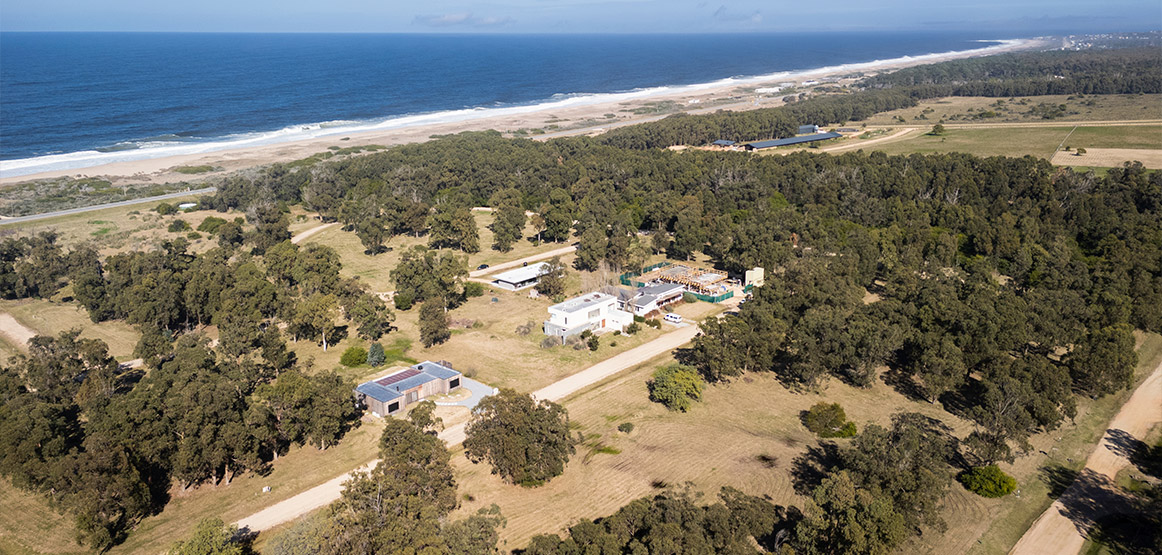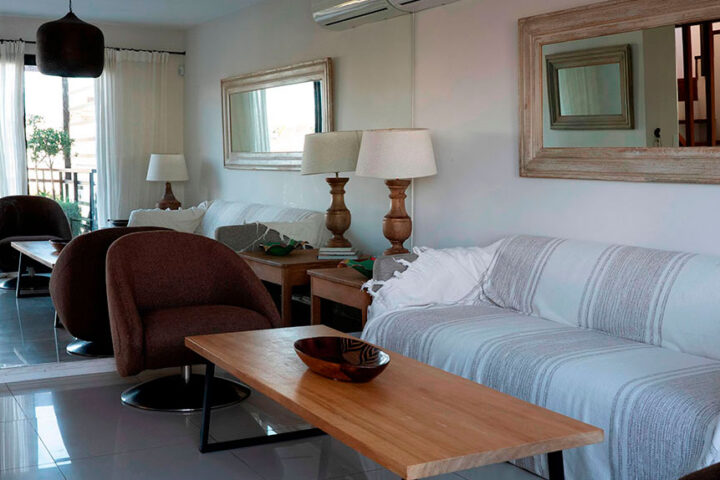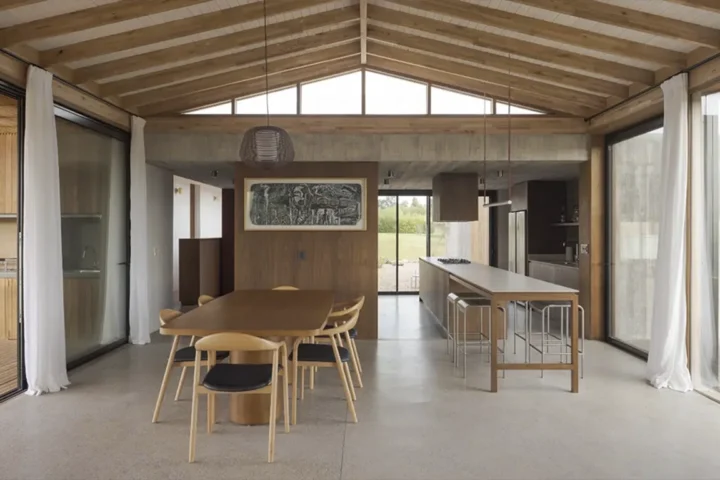
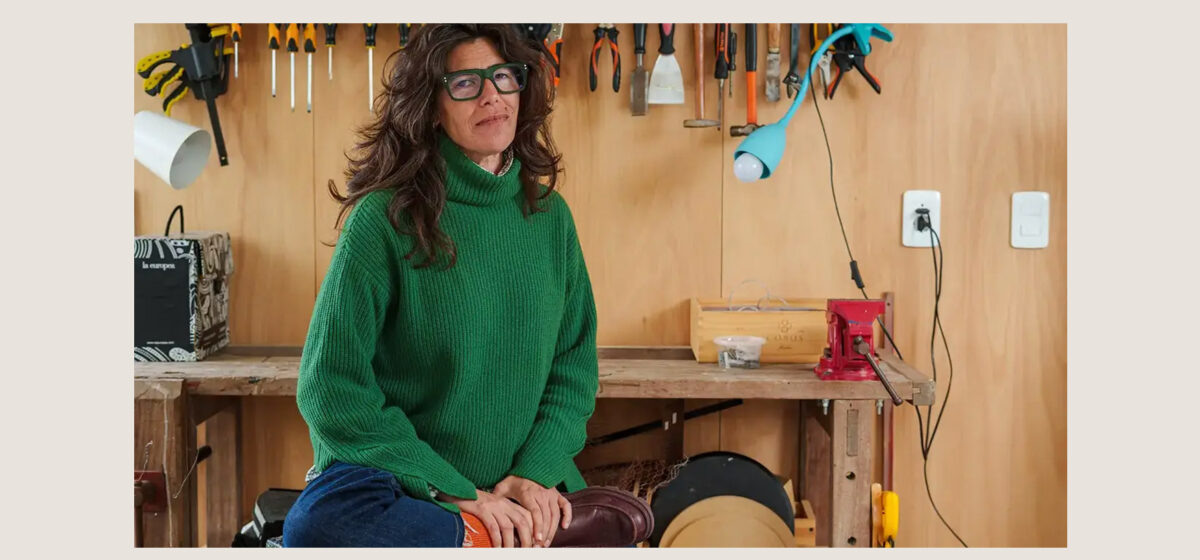
Mariela now lives on the Península in Punta del Este. Our meeting, however, took place at PUERTAS ADENTRO, her studio in the Pueblo Mío, Manantiales, on a Wednesday at 1 pm. PUERTAS ADENTRO is at once an artist residency, a workspace and a place for mentoring: passing through have been -among others- an artist from New York, a Brazilian, an Argentine who comes back often. “It’s a fairly hybrid place, mine and everyone else’s who wants to occupy it,”says Soldano.
Thirteen years ago she swapped Buenos Aires for a Punta del Este that, as she remembers it, “was dead”: traffic lights switched off in the low season, half-occupied buildings, tumbleweeds rolling along the road. In that emptiness she found exactly what she was looking for: fertile ground.
The color-blind girl
She says she understood her relationship with art late. As a child she was always using colors that were not the “right” ones — a purple sky, orange grass — and a second-grade teacher even asked her mother whether she might be color-blind. Her mother defended her and let the comment pass. Years later, at sixth-grade recess, another teacher looked at her with that look of always being a little on the outside and said: “Don’t worry, you’re the ugly duckling…” At the time she understood nothing and nearly burst into tears. Only twenty years later did she make sense of it: there was nothing to fix, she was simply in a different lagoon.
That distance, she says, is what defines an artist more than any degree. She did not study Fine Arts — it seemed to her, she admits, “ultra-classist” — but Communication, with a focus on Public Relations, and then Design, both degrees in Buenos Aires. She designed furniture, boats, houses, offices, until one day she realized she was actually building the things she wanted to build as an artist. That craft was not lost: today, when she takes on a site-specific installation in a museum hall, she says she moves “like a fish in water.”
The decision to dedicate herself to art full time came only after settling in Uruguay, in late 2013. Before that there were workshops — Casa Berro, José María Pelayo, Gustavo Tabares, Federico Arnaud—, online courses in art history and curating, and a stint as a workshop leader at Taller Malvín. Over the years she added a Master’s in Cultural Experience Design (University of Valencia) and is now enrolled in the PhotoEspaña. “For me, being an artist is not about having the qualifying degree,”, she sums up. “First there has to be, from the factory, in the flesh, in the bones, something. And that has always been in me.”
The move was not a romance with Punta del Este, she clarifies with a laugh: it was, rather, a calculation in the face of the growing fear she had begun to feel in Buenos Aires in those years. The city, she admits, does not have “the vibe of Buenos Aires” nor the cultural scene of Montevideo. What it did have, in 2013, was room to intervene. “Here one can leave a small mark. Your actions have more effect on the people around you than in a big city.” She found this out, she says humorously, the day a stranger recognized her as she left the dentist: “You’re the artist!”
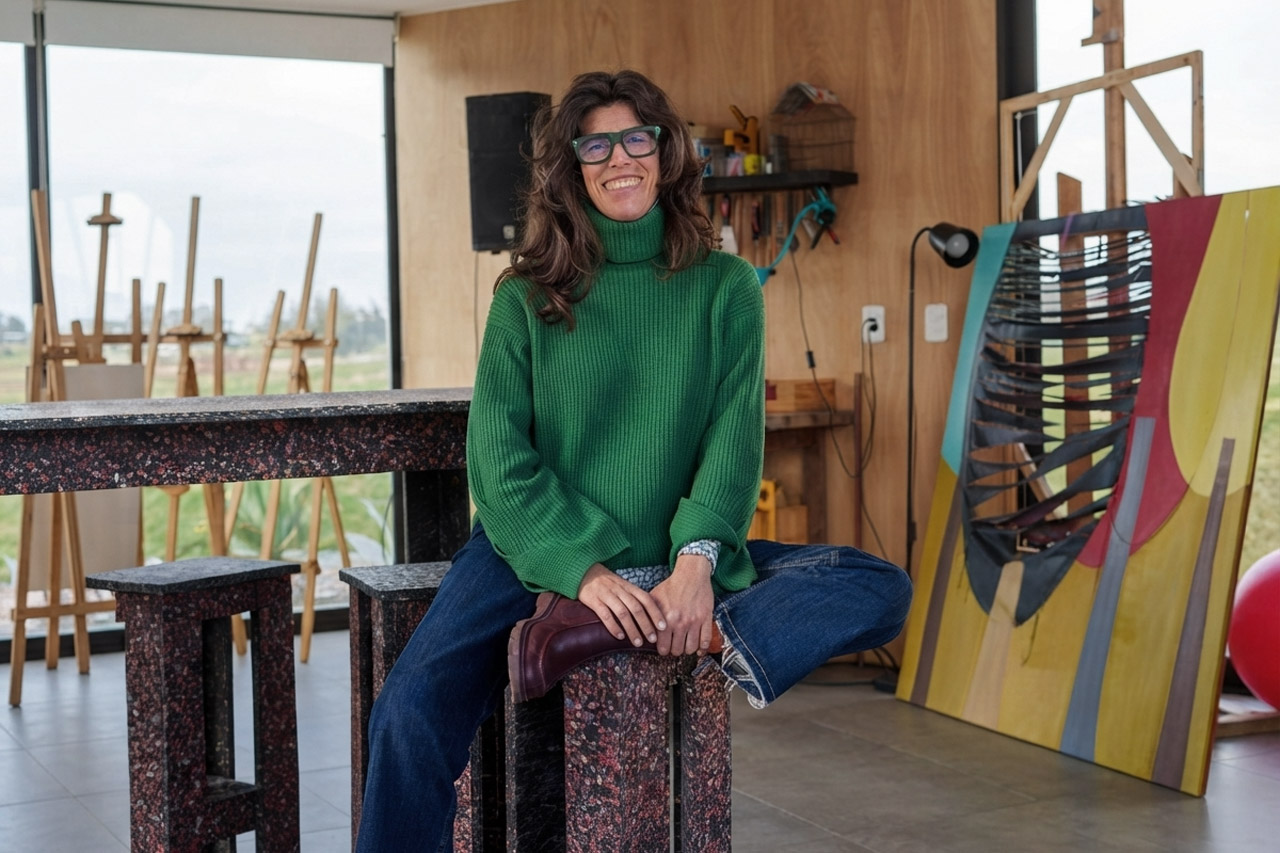
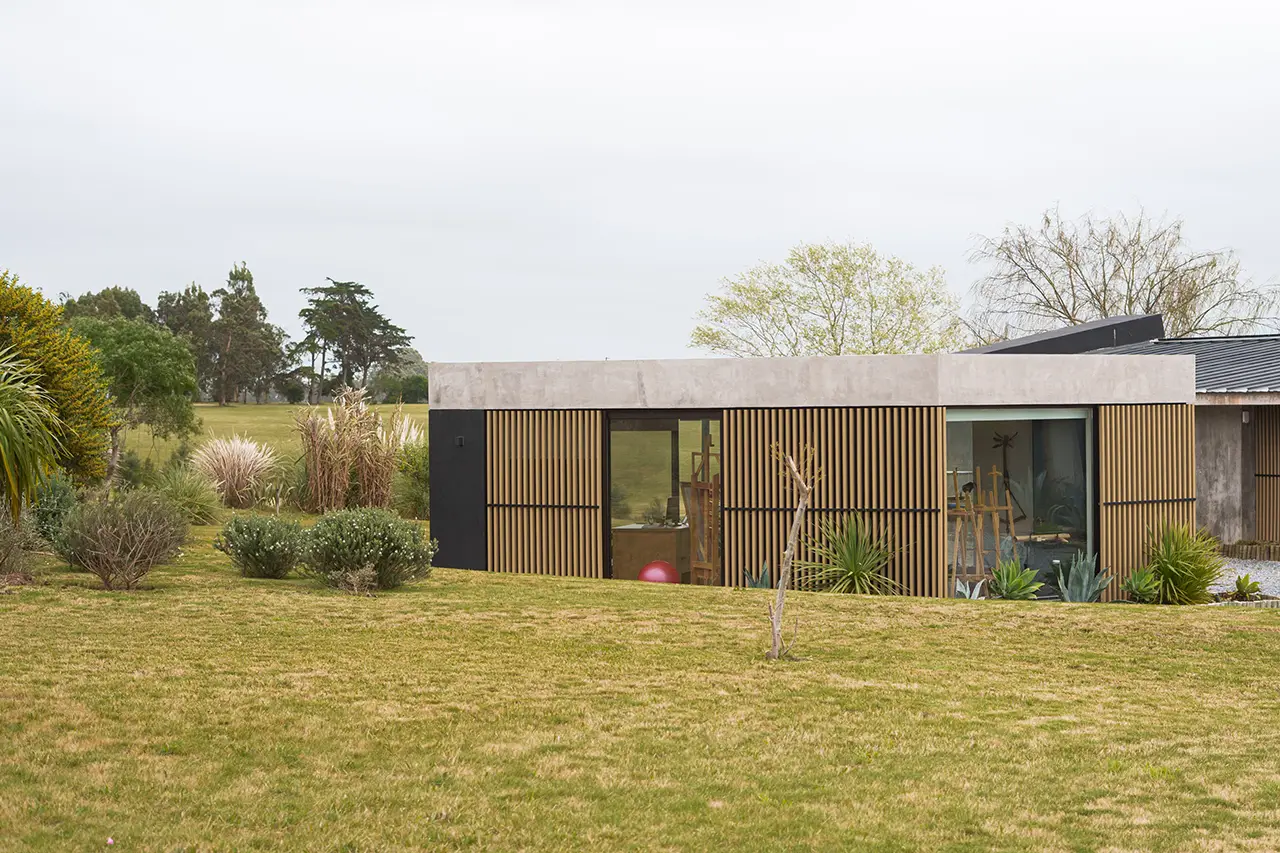
Art as part of the home, not as ornament
That crossover between art and lived-in space — the one she now works from PUERTAS ADENTRO — is also the axis of her view on properties in the area. For Soldano there is a fundamental difference between a house with art and a house without it, and it is not aesthetic but emotional.
“A house with art has more living emotions. You walk in and see the work, but also the brushstroke, the anger, the artist’s question. That activates something different from what an ornament activates, however beautiful it may be.”
The distinction, she insists, is not about the decorative. She is interested in what comes before the object: the artist’s reflection, sensitivity, emotion. That is why she does not define herself as a commercial artist — some colleagues sell more because they produce for that market — and why, when she worked advising on the choice of artworks for private homes — a task she would take up again if asked — the starting point was never the color of the sofa. “I bring you a work because I know you like the countryside, and I know an artist who did a project on rural women. That combination is what gives the house personality.” She applied that criterion, among other cases, with a collector whose personal sensibility ended up determining the choice of work before any decorative consideration.
The same reasoning extends to landscaping, an area she admits she does not master but on which she holds a firm position: she rejects the “fashionable” landscape, interchangeable between one house and the next. She prefers gardens with personal intent — from orange trees that “are not easy” to stone and cacti of a Mexican aesthetic — over the repetition of formulas. “There are so many ways to copy and be the same as the one next door. The beautiful thing is not to be.”
What sets apart a “pretty” house from a house with personality
Here she draws the line that runs through the whole conversation: the word “pretty” is no use to her. She worked as an interior designer and stopped, she explains, when she noticed that the craft could close itself into the pursuit of the pleasant without asking anything more. “You have to be careful when the house ends up just being pretty, nothing more. Houses with personality are something else.” The risk, she argues, is that a home ends up functioning like a decor showroom — resolved, tidy, frictionless — instead of reflecting the person who lives in it.
It is the same logic she applied to her own career, without distinguishing much between stages: interior design, cultural management, curating, even the public relations she studied at the start. “All of that is inside. What I do today when I present a book is what I learned in communication.” PUERTAS ADENTRO — her home, her residence, her open studio — is, in that sense, the synthesis of three decades of cross-disciplinary training, and the place from which she now also directs Colectivo Esponja, together with artists from Brazil, Mexico, Portugal and Spain, and Facetadas, her project on the multiple identities of women in art.

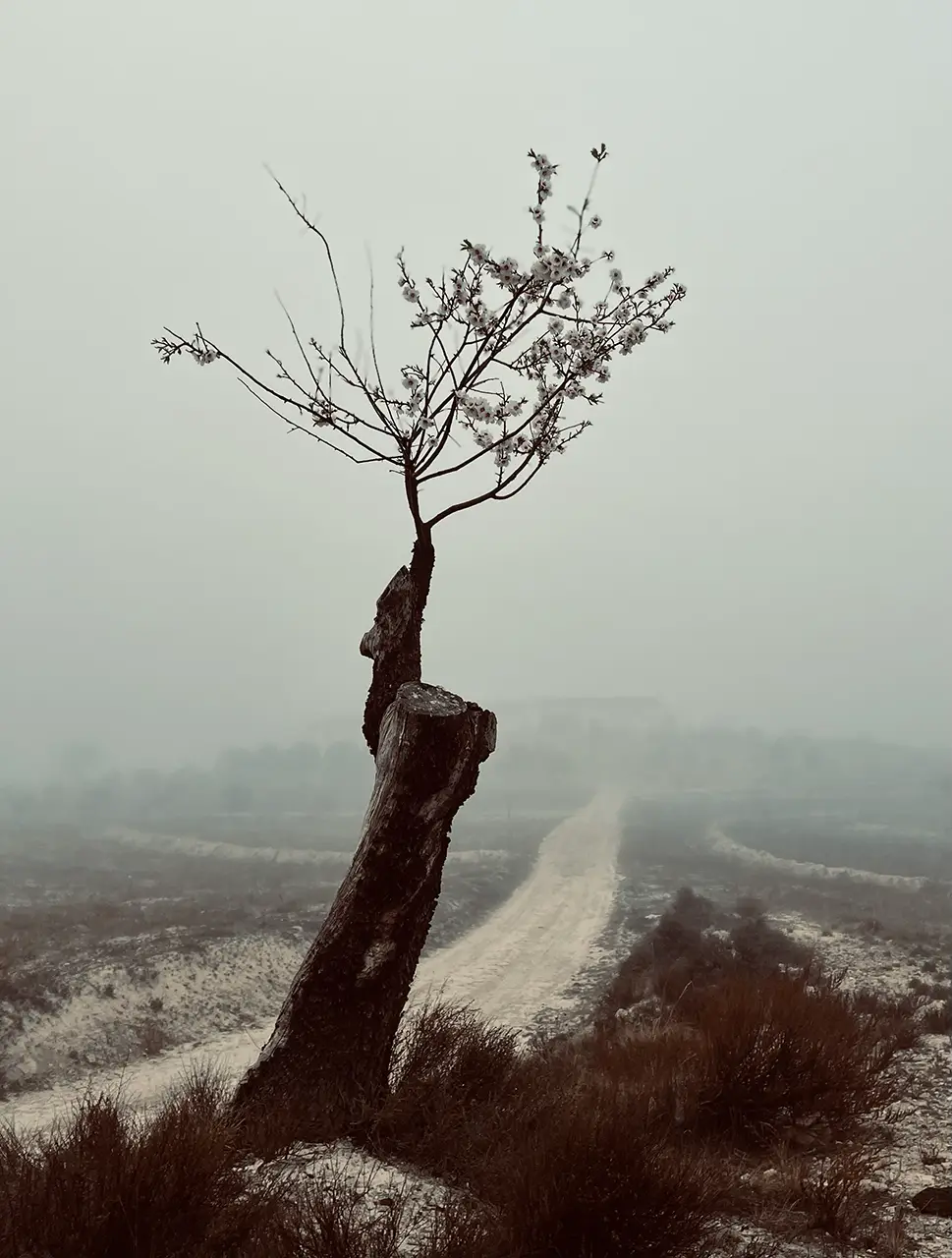
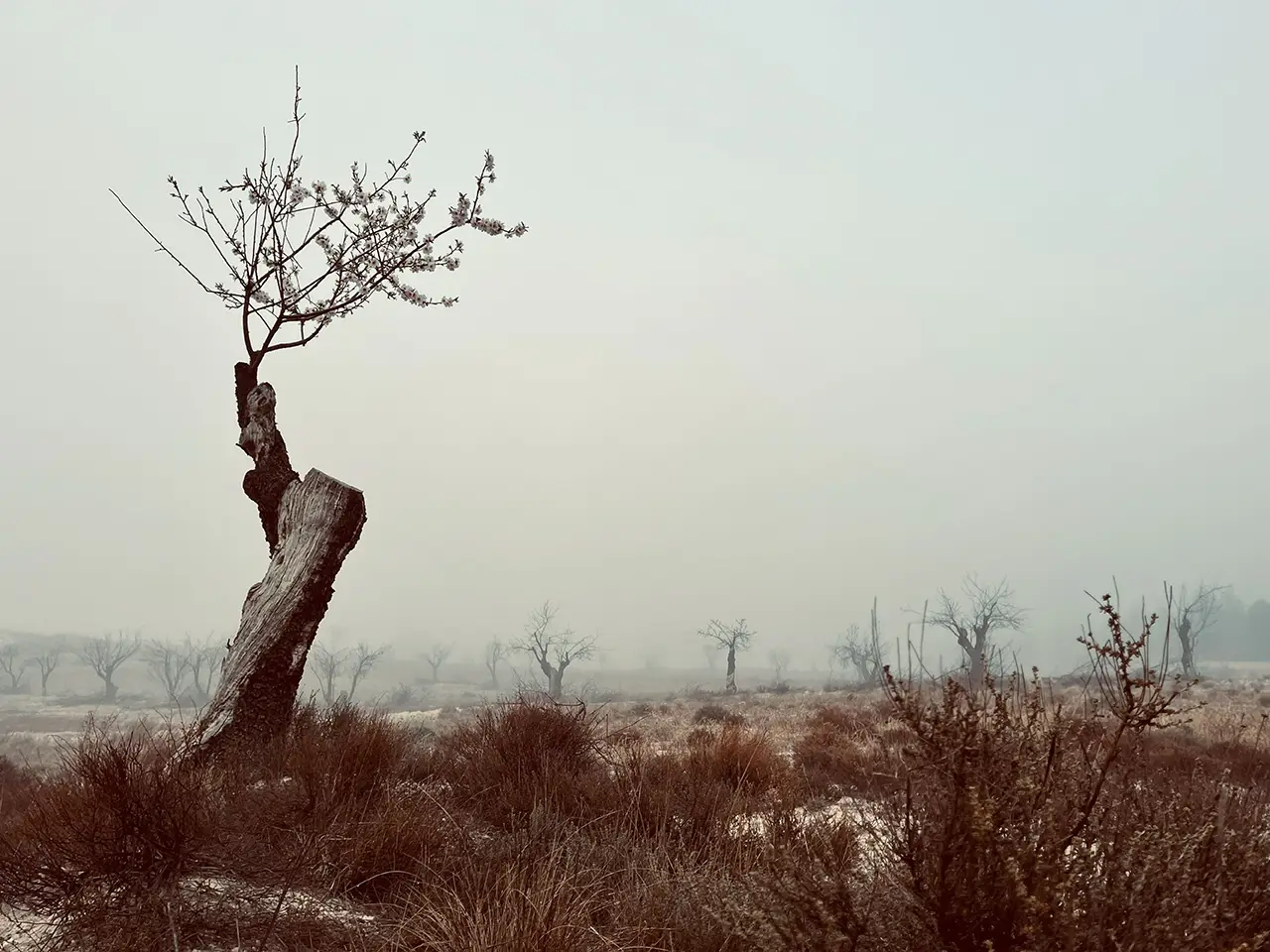
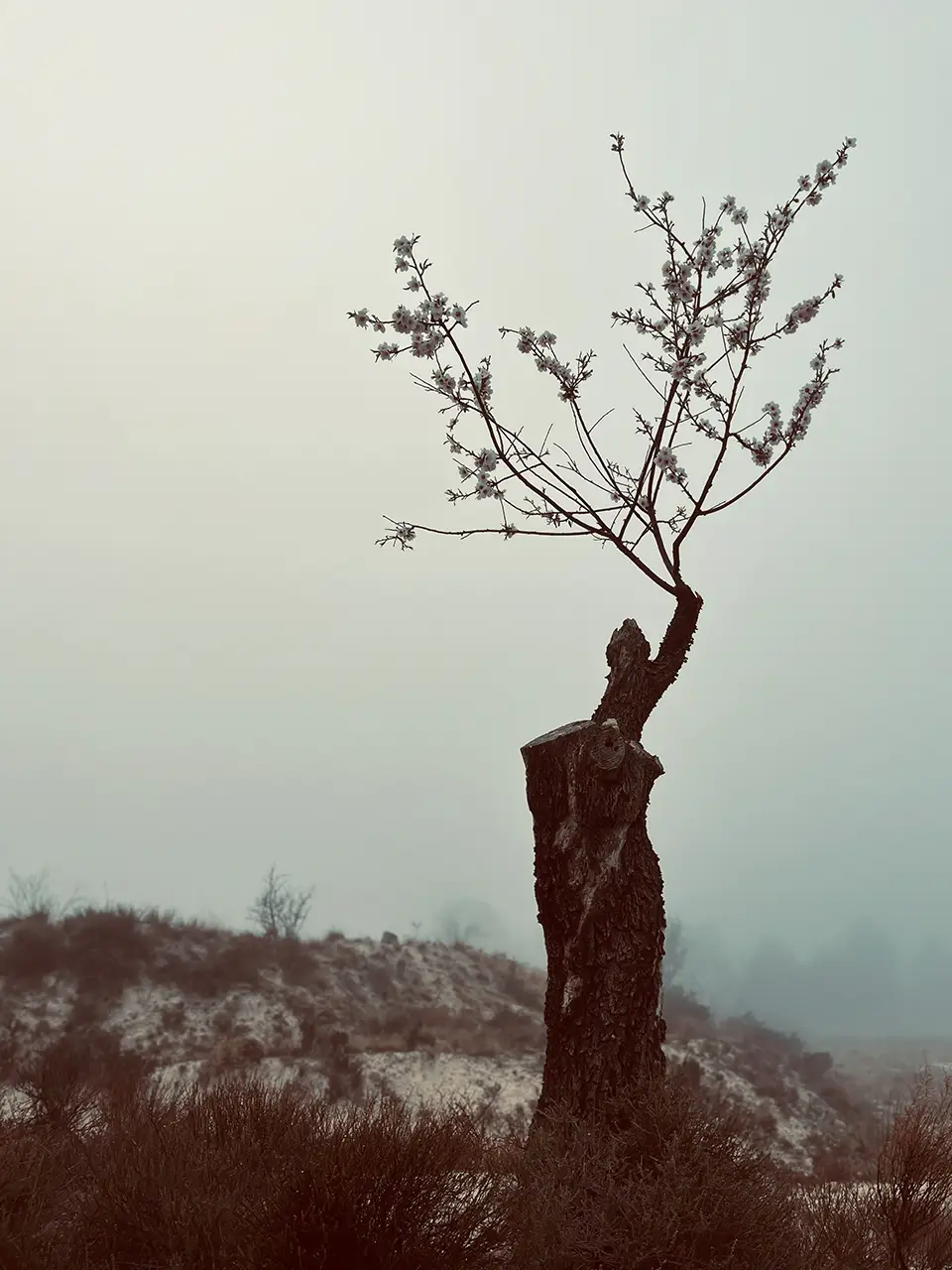
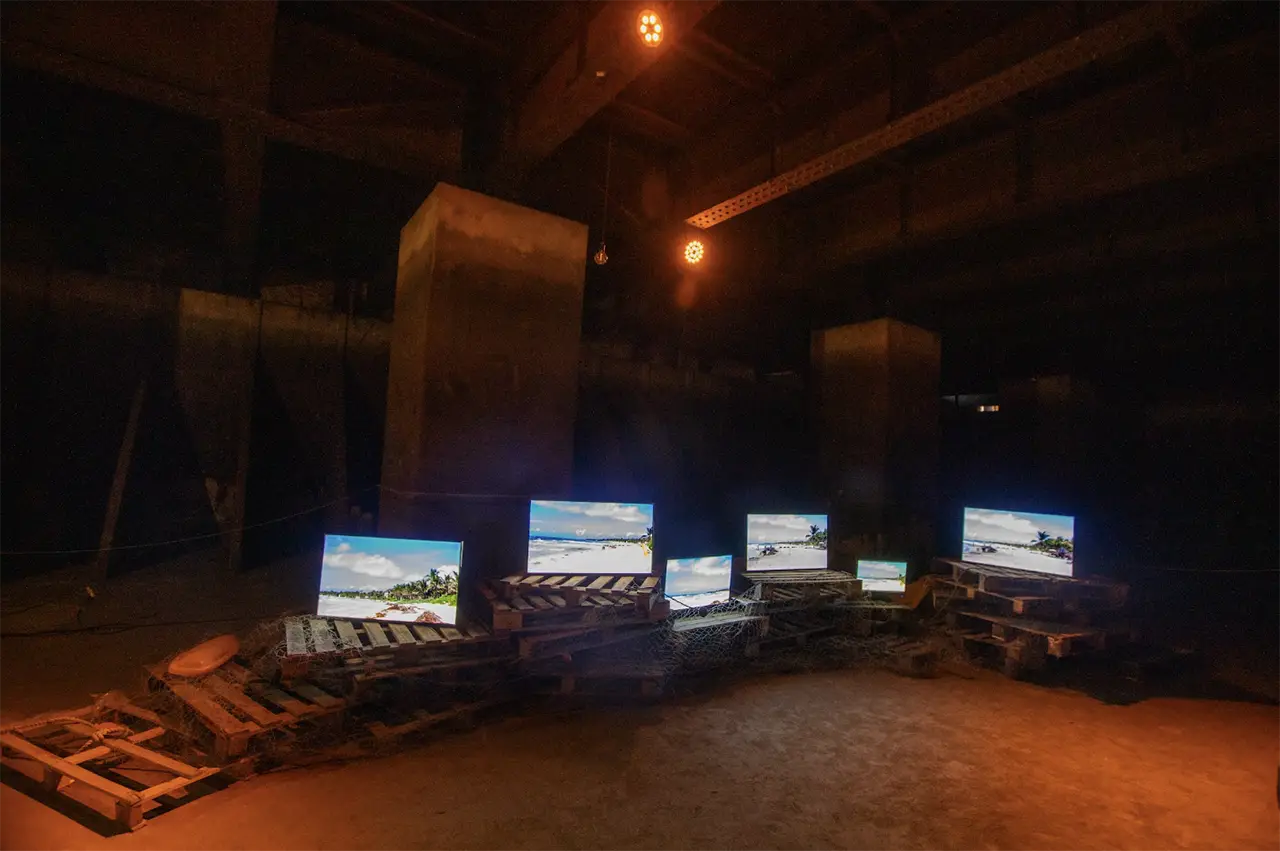
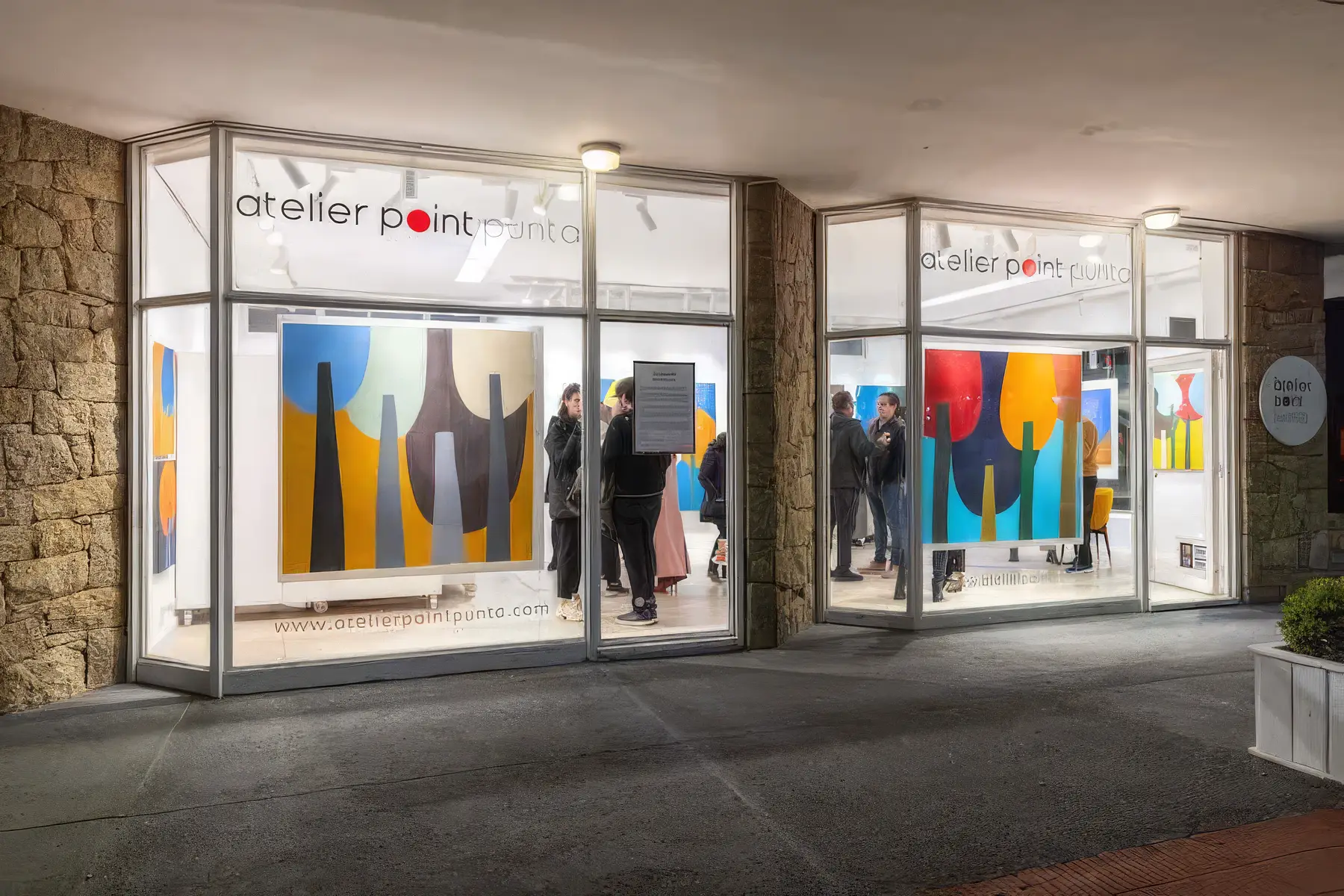
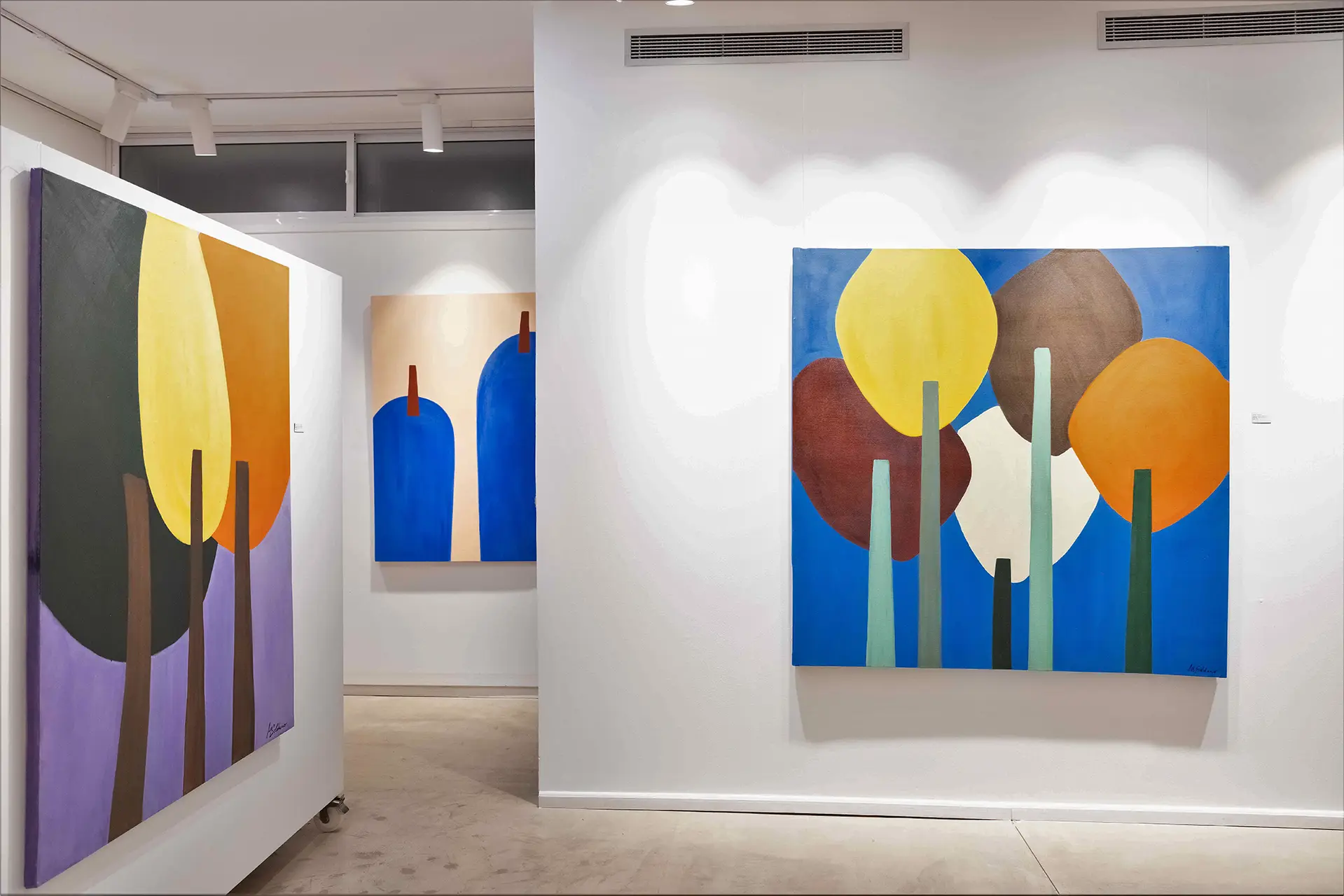
For Soldano, being an artist is above all being a questioner: not accepting the obvious answers, holding the question longer than is usually tolerated. That same discomfort with the settled runs through the whole conversation — in art, in houses, in gardens. Thank you, Mariela, for opening the doors of your atelier and sharing your outlook with the Modo Punta community.
Those who want to follow her work can do so on Instagram, at @marielasoldano. To connect with other artists, join a residency or ask about curating and cultural management services, the route is Puertas Adentro: @puertas.adentro.arte.
And if you are a local artist and want to share your work with the Modo Punta community, write to us at info@modopunta.com — we love meeting the people who make Punta del Este a place with more layers. Learn more about Mariela’s work on her official website.
Atelier photographs: VuelaVuela.tv.
Artwork gallery: courtesy of the artist.