The most expensive gasoline in Latin America versus electricity that, charged overnight, costs pocket change. The real math of getting around by car on the Costa Este, depending on the type of engine you choose.
Driving in Punta del Este is different from driving in a big city. Distances between areas are short — a little over 30 km from the Peninsula to José Ignacio — but whoever lives here year-round ends up making that trip, or a similar one, several times a week: to school, to the supermarket, to the beach, to pick someone up at the airport. It is exactly the kind of use where it pays to work out how much an electric car saves in Punta del Este compared with a gasoline or hybrid one, beyond the ideological debate.
How much an electric car saves in Punta del Este, in numbers
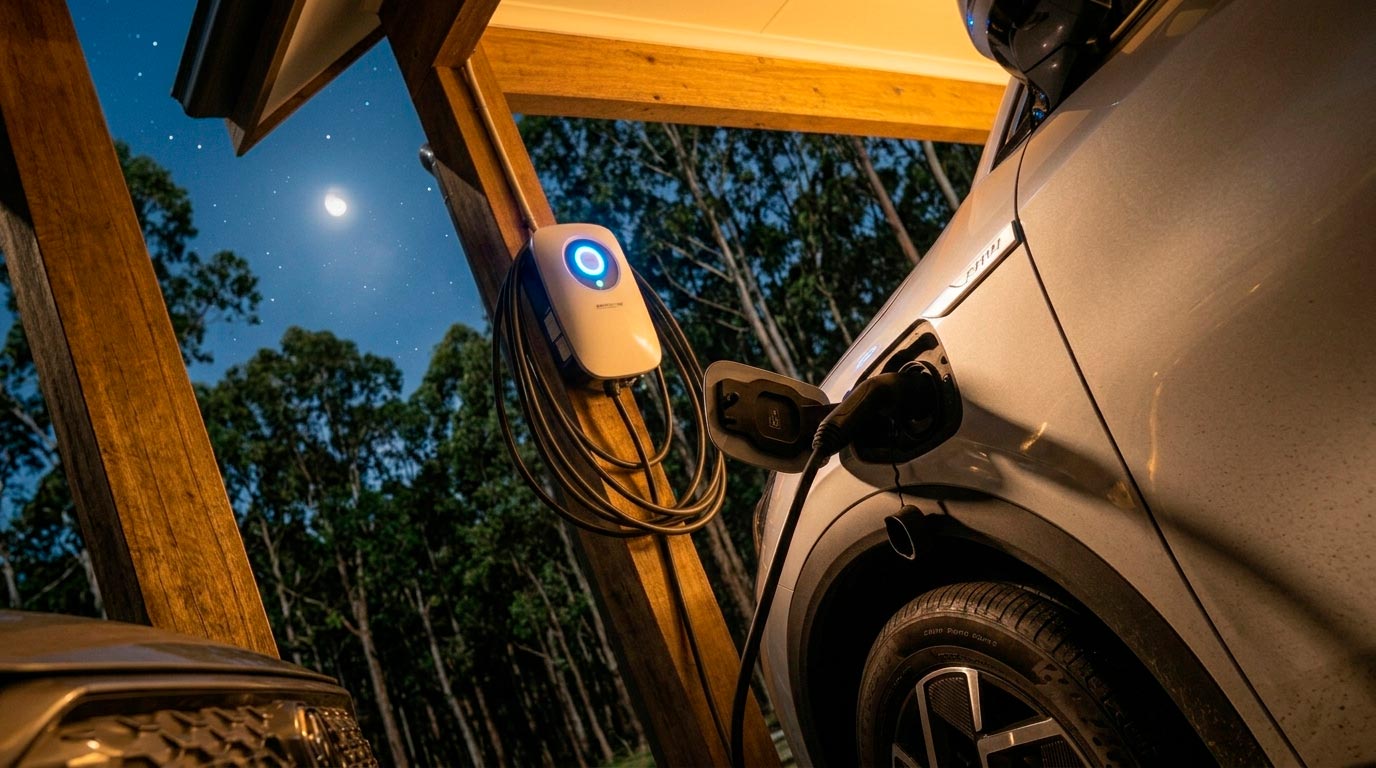
Since April 1, 2026, regular gasoline costs UYU 82.27 per liter in Uruguay — the most expensive in the region — according to figures published by ANCAP. A combustion SUV with moderate consumption, around 9 liters per 100 km in city driving, therefore costs about UYU 706 per 100 km. An equivalent electric vehicle, charged at home overnight, uses on average 14 kWh per 100 km. At the lowest UTE tariff, that comes to just UYU 42 per 100 km: 94% less. The difference is not a nuance, it is a change of scale.
The trick is in the clock, not the car
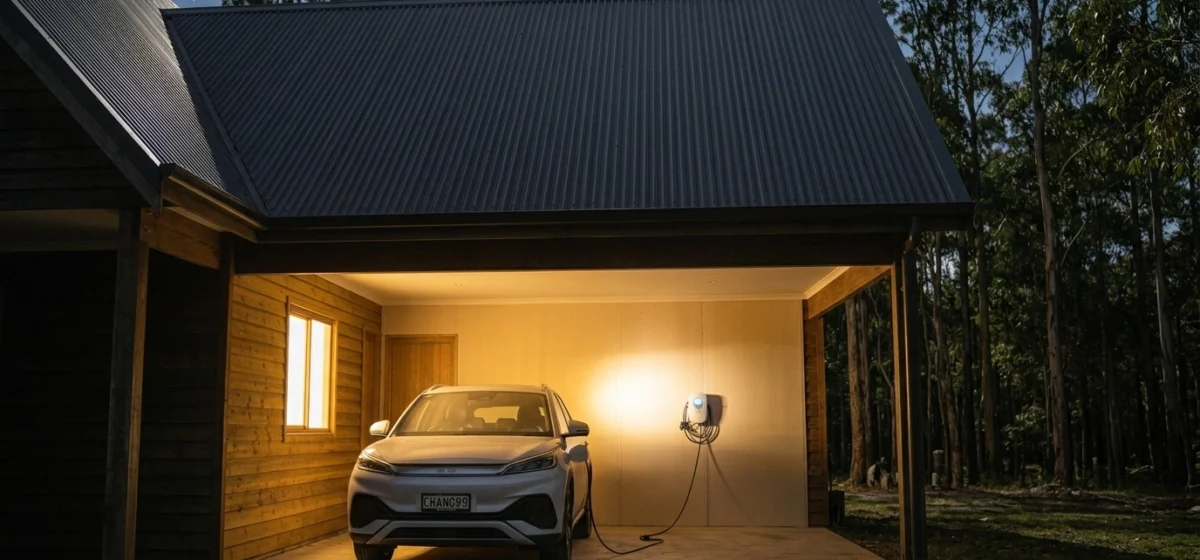
Those savings depend on a single habit: charging at the right time. Under UTE’s Triple-Rate Residential Tariff, the price of electricity varies sharply by hour: from 00:00 to 07:00 (Valley) a kWh costs about UYU 2.98; from 07:00 to 17:00 and 23:00 to 00:00 (Flat), about UYU 6.31; and from 17:00 to 23:00 (Peak), UYU 14.68. Charging at peak hours can cost nearly five times more than charging overnight — most cars and home chargers let you schedule the start time, so the habit is automated once and then it is done. Anyone without their own charger who depends on the public network pays more: charging at a UTE fast-charging point runs around UYU 200 to 250 per 100 km. That is still about three times cheaper than gasoline, but it is no longer the bargain that home charging is. For the full map of charging points in the area, check the guide to electric chargers in Punta del Este.
What is on the market today
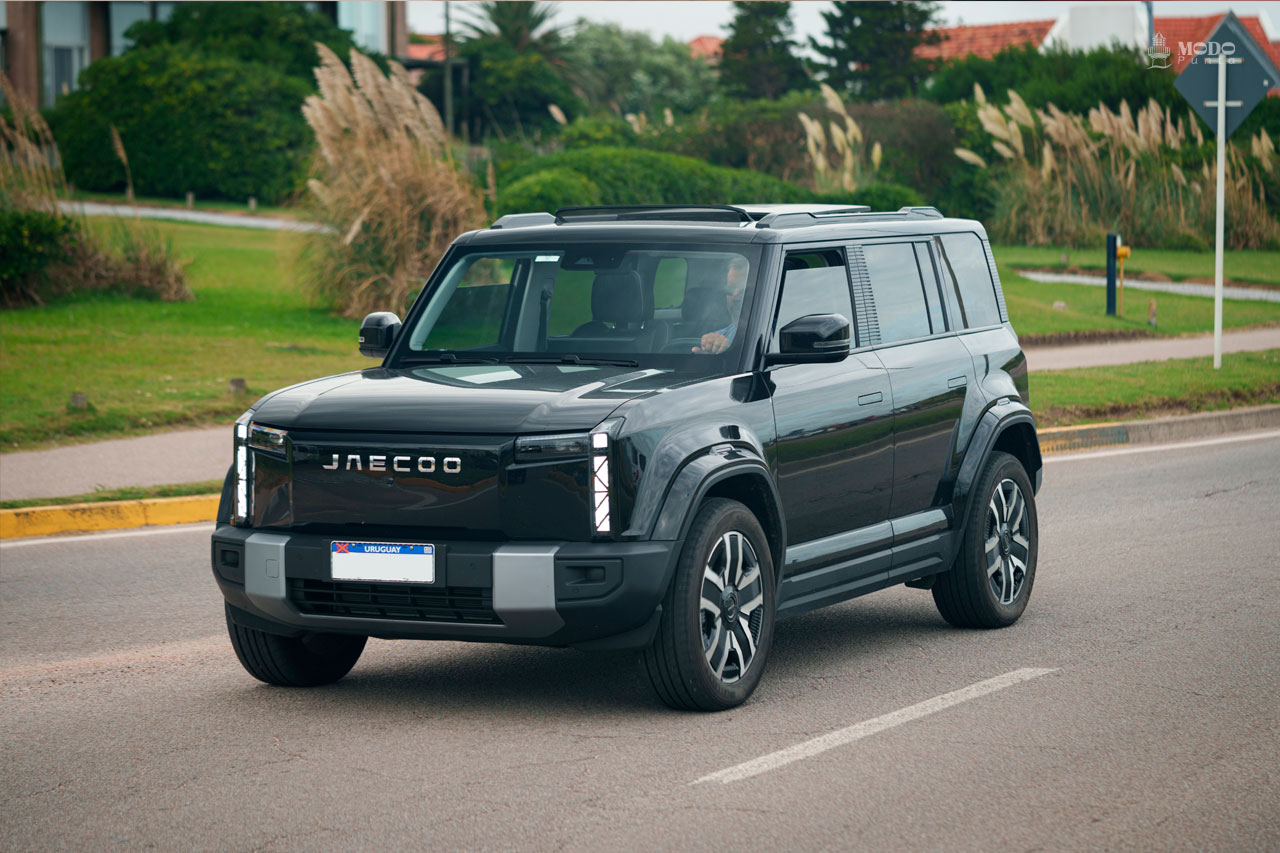
The range of electric vehicles in Uruguay grew quickly over the past year, with BYD as the brand that sold the most new cars in the country in 2025. The range runs from entry-level models to midsize SUVs: the Seagull, an urban city car, starts at USD 19,990; the Dolphin, a hatchback with more range, from USD 24,000; the Yuan Pro, a compact SUV with a sunroof, from USD 28,000; and the Atto 3, the midsize SUV of the range, from USD 35,000. They are not the only players, but they mark the entry price range of the segment today.
And the hybrid?
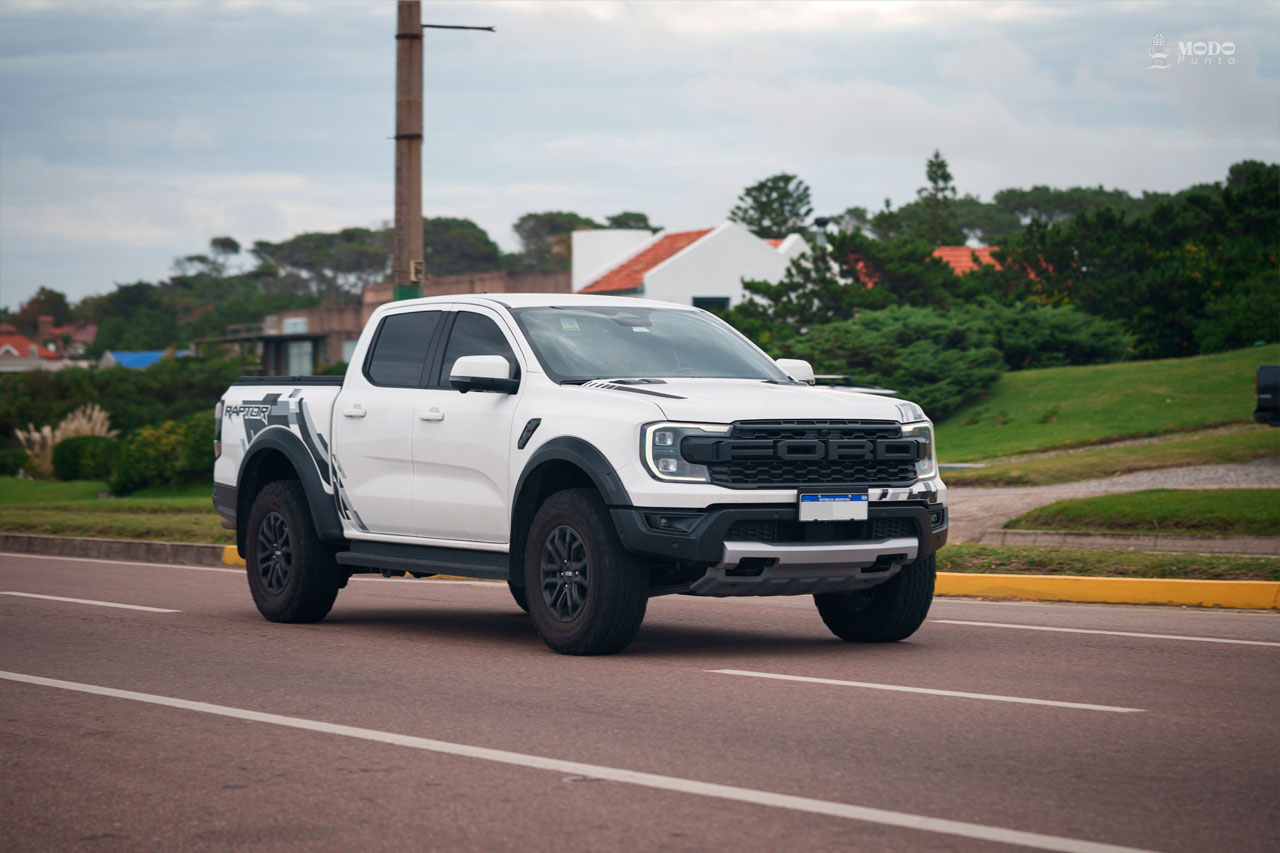
The hybrid remains the logical middle option for anyone who cannot install a charger — a renter, for example, or someone who only spends the season here — but wants to cut fuel consumption without depending on the charging network. It does not match the savings of an electric car charged overnight, but it significantly cuts consumption in the urban stop-and-go driving that predominates within the Costa Este areas.
The question that really matters
Before deciding, the question is not “which car is better?” but “where and when will I charge?” For those who live here year-round and can install a charger at home, the electric car’s math is hard to argue with. For those who still depend on the public network or rent by the season, the hybrid remains the most reasonable middle ground — and the gasoline car, more and more, the most expensive of the three in daily use. Anyone considering installing a home charger can add that inquiry to the Modo Punta Guide along with the rest of the services for the home.