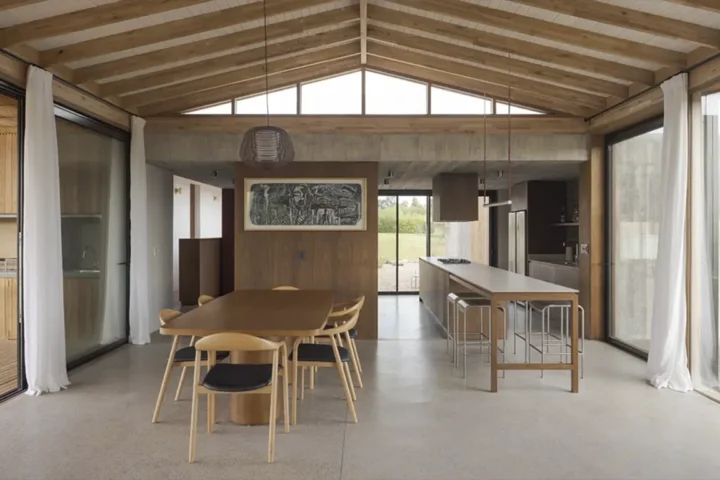

Uruguay’s East Coast has long been a summer address for Argentines and Brazilians. A growing number of buyers now plan to live here year-round, and among the families and business owners asking about residency, schools and property there are people arriving from Germany. This guide sets out what the move involves: how residency works, where children study, where adults see a doctor, what a house or chacra costs and which paperwork comes before a purchase.
Why the East Coast
Uruguay is classified as a “full democracy” in the Democracy Index of The Economist Intelligence Unit, one of a handful of countries in Latin America with that rating. According to the German Federal Foreign Office, more than 10,000 Germans live in Uruguay, and the two countries have kept uninterrupted diplomatic relations for more than 160 years. For families choosing a country as carefully as a house, institutional stability is a practical criterion.
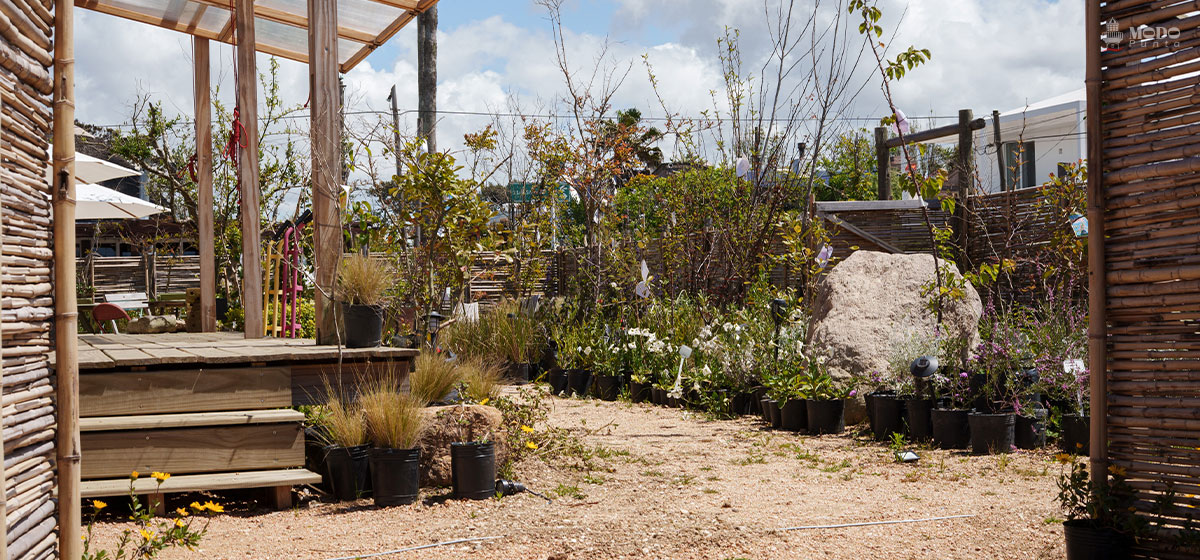
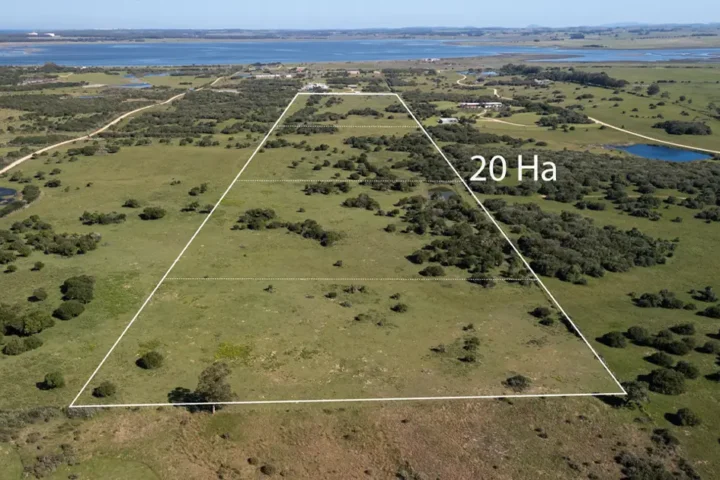
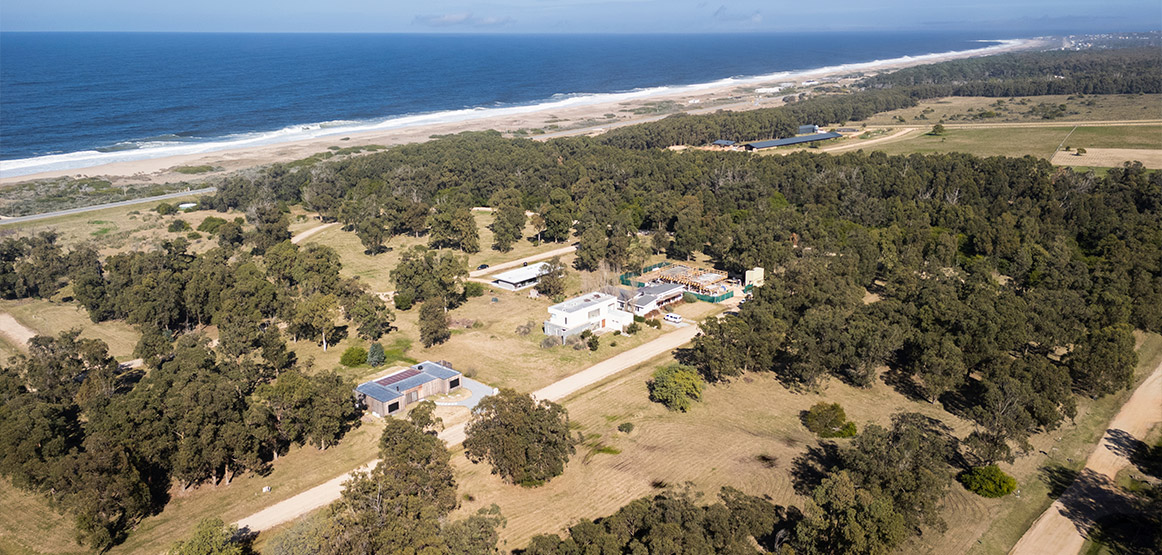
The coast is not one place but a sequence of towns with different rhythms. La Barra, a former fishing village, has become a second-home market with schools nearby. Manantiales sits between La Barra and the quieter beaches farther east. José Ignacio, about 40 kilometers from the center of Punta del Este, records some of the highest prices per square meter in the country, and its hinterland of chacras (rural properties of several hectares) is where buyers looking for land and privacy concentrate.
The season shapes the year. The coast is crowded in January and much emptier in July, but schools, clinics and services operate all twelve months. Living in Punta del Este Year-Round describes daily life and costs outside the summer. Travelers from Germany should also know that, according to relocation advisers, there are no direct flights; connections usually run through São Paulo, Madrid or Buenos Aires. How to Get to Punta del Este covers the last leg from Montevideo.
Residency: what Germans should know
According to relocation specialists, German citizens enter Uruguay without a visa and file their residency application in the country, at the Dirección Nacional de Migración, which belongs to the Ministry of the Interior. Uruguay does not publish a fixed minimum income: applicants must show stable income sufficient to support themselves, and no investment is required. Typical documents include a passport, photographs, apostilled civil documents, an apostilled criminal-record certificate (a German Führungszeugnis) from the countries where the applicant lived over the previous five years, and a vaccination certificate issued by an authorized center. Documents not in Spanish usually need a translation into Spanish. Requirements and processing times change, so they should be confirmed with an immigration lawyer before any application. The offices in Maldonado are covered in Immigration Paperwork in Punta del Este.
Three points cause the most confusion:
- Buying a property does not by itself grant residency. It can support an application as evidence of intent, but income documentation is still required.
- Immigration residency and tax residency are separate matters. Holding one does not automatically create the other, and the tax rules changed in 2026. Modo Punta’s notes on tax residency for foreign buyers and on what the tax authority says explain the questions to take to a professional.
- Germany and Uruguay have a double taxation agreement, signed on 9 March 2010, and a social security agreement in force since 1 February 2015. Anyone leaving Germany should have a tax adviser review how German tax residency ends and, for holders of shares in corporations, whether the German exit tax (Wegzugsbesteuerung) applies.
Schools for international families
The German School in Montevideo, less than 200 kilometers away, was founded in 1857 and has carried the “Excellent German School Abroad” seal since 2019. On the coast, there are a few private schools oriented to families arriving from abroad. International College Punta del Este, part of the Nord Anglia group, takes students from age 2 to 18 and combines the Uruguayan curriculum with British and International Baccalaureate (IB) programmes. Woodside School is a bilingual IB school and a member of the International Schools Association. In La Barra, The New School has bought a three-hectare site in Puerto Quetzal for a new campus. Classes in Uruguay generally run from March to December, which affects when to enroll and when to arrive.
Proximity to school is one of the first filters for families choosing a property. The Schools & Family section lists the options, and some chacras are marketed precisely for their location near the schools in La Barra.
Outdoor sports for children and teenagers
Outdoor sport is part of daily life for young residents. Surfing, windsurfing, fishing and sailing are practiced along the beaches of Punta Ballena, La Barra and José Ignacio. In José Ignacio, the surf school Hopupu offers courses for all ages and levels through the summer.
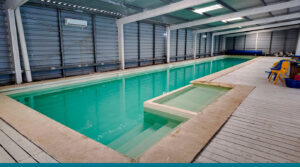
On land, rugby and football both have local clubs. Lobos Rugby plays in Punta del Este, and the Old Boys & Old Girls Club organizes the Punta del Este Seven, a rugby sevens tournament traditionally held in early January. In football, Deportivo Maldonado and Atenas de San Carlos are the department’s best-known clubs. Skaters train at the Skatepark La Loma in Maldonado, and for the summer months, programs such as the Summer Camp 2027 at Blue by Busy Hands take children aged 1 to 12 with outdoor games, sports and pool time. Youth categories, schedules and fees vary by club and season, so families should ask each club directly.
Health care
Uruguay’s private system runs mainly through mutualistas, hospital-based membership plans that give access to a provider’s doctors, clinics and emergency room, and through private insurers. One of them is BlueCross & BlueShield of Uruguay (BCBSU), which offers coverage in Punta del Este with benefits extended to Argentina through Swiss Medical. Modo Punta’s interview with an independent BCBSU broker explains how enrollment works, which waiting periods apply and what the care network looks like.
Mutualistas and insurers set their own admission rules, including age and pre-existing conditions, so families with specific medical needs should confirm coverage before choosing a neighborhood. The largest and most specialized hospitals are in Montevideo. The wellness circuit maps physiotherapy, nutrition and other services on the coast.
Two neighborhoods to see first: Pueblo Mío and Puerto Quetzal
Modo Punta’s own office is in Pueblo Mío, a private neighborhood in Manantiales along Route 104, so it is one of the areas the magazine follows most closely. A house there with three en-suite bedrooms, staff quarters and a pool is currently listed at USD 1,650,000.

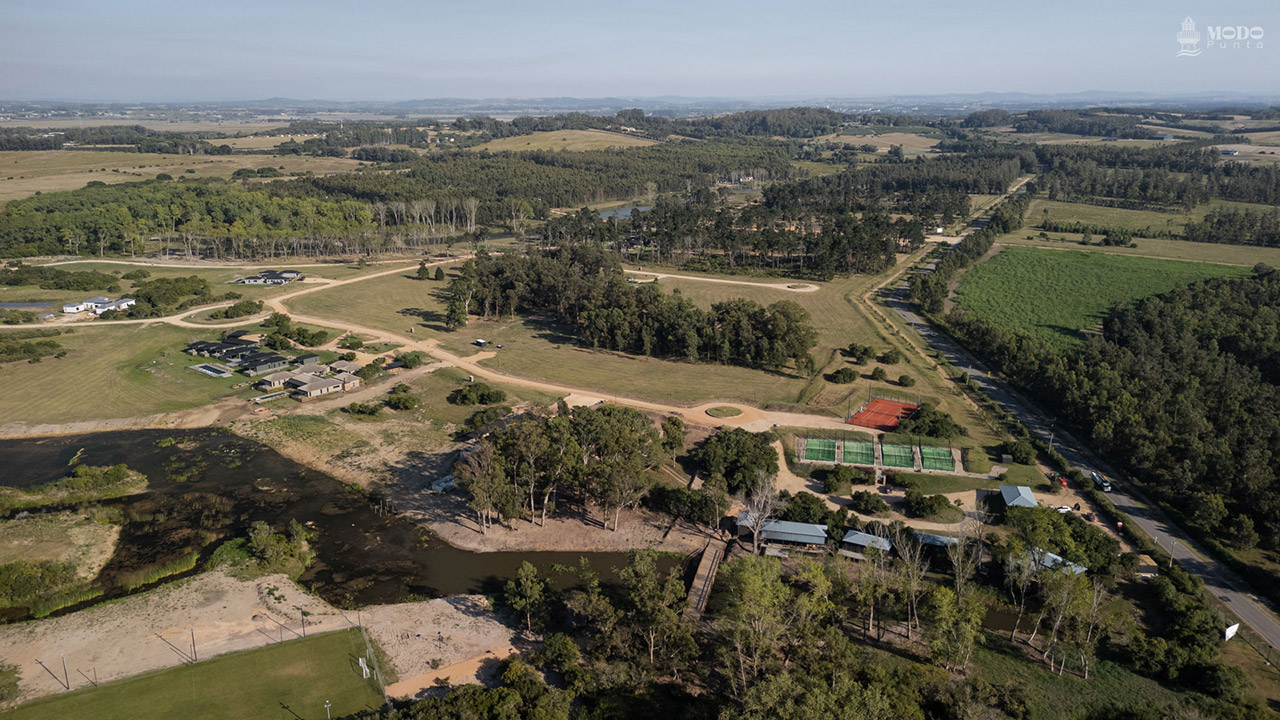
Puerto Quetzal is a country club about eight minutes from La Barra on Camino del Cerro Eguzquiza. According to its developer, the architect Juan Valencia, it is organized as a horizontal property regime with 200 lots of 4,000 m². A property there for 14 people, with five bedrooms, seven bathrooms, a pool and a private dock, is listed at USD 2,100,000. Its location also matters for families, since The New School plans its new campus in the neighborhood. More listings are on the page for properties for sale and rent.
Houses and chacras: what the market offers
Prices on the coast are quoted in US dollars. Foreign buyers hold the same property rights as Uruguayan citizens, and residency is not required to own property. Two current listings show the range for rural land with a house:
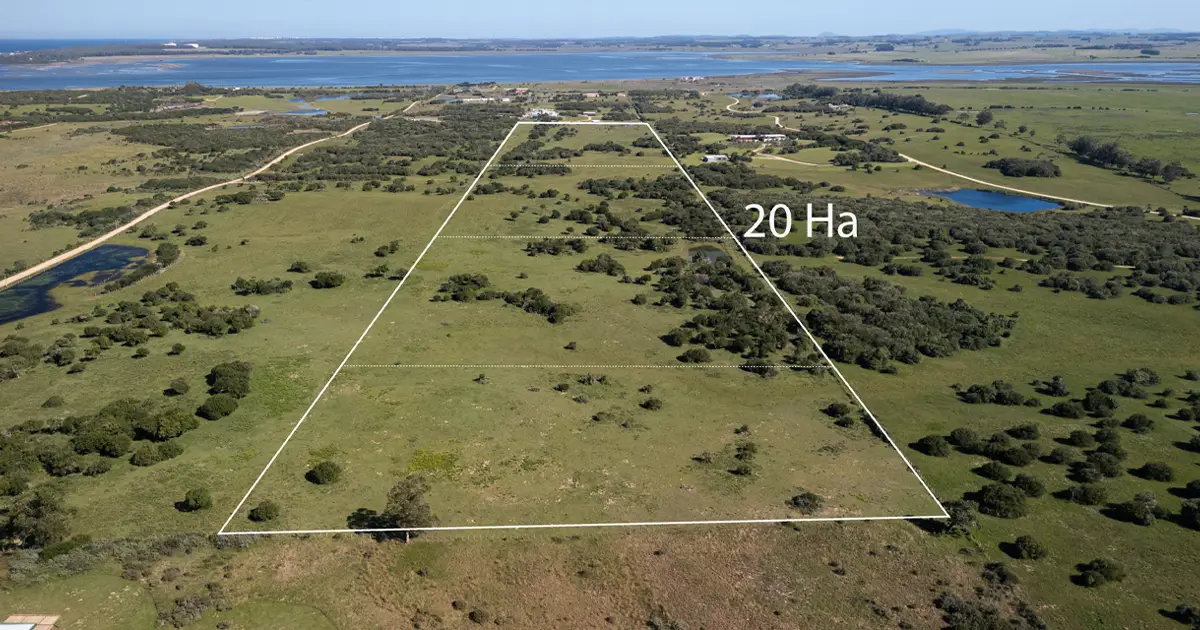
- A five-hectare chacra in José Ignacio, ten minutes from the sea, listed at USD 1,500,000.
- A tree-lined three-hectare chacra with a 500 m² house in the school zone of La Barra, listed at USD 950,000.
More options are on the pages for chacras, houses and land. The closing-costs calculator estimates the taxes and fees that apply on top of the price.
Before you transfer funds
Every purchase in Uruguay goes through an escribano, a public notary who reviews the property’s title history, drafts the contracts and registers the deed. Uruguay does not currently apply exchange controls, but banks and notaries must verify where the money comes from. Buyers should expect to document the origin of funds with items such as bank statements, tax assessments or the sale contract of a previous asset.
Preparing the paperwork before the first offer shortens the process and avoids a deposit stalled halfway through. Modo Punta works with accounting and legal firms experienced in international portfolios and refers clients to them for residency, tax and funds-transfer questions. Modo Punta itself does not provide legal, tax or immigration advice.
A scouting tour built around your priorities
The decision to move is easier to make on the ground. Modo Punta organizes a scouting tour arranged in advance around the family’s priorities. It can combine a tour of the properties on the shortlist, a drive through the towns of the coast, visits to schools and sports clubs, a look at the health centers, and a gastronomic and lifestyle route that shows what weekdays are like outside the summer. The Experiences section gives an idea of what the coast offers beyond real estate.
Our team works in English and Spanish. To plan a visit, write to info@modopunta.com or on WhatsApp at +598 92 234 494 with your arrival dates, the size of your family, the type of property you are considering and your budget range.
Common questions
Can foreigners buy property or land in Uruguay without residency? Yes. Foreign buyers have the same property rights as citizens, and residency is a separate process.
Does buying property give me residency? Not by itself. Residency applications rely mainly on proof of stable income.
Is there a German school on the coast? The German School is in Montevideo. On the coast, International College Punta del Este and Woodside School are the two private options oriented to families arriving from abroad, and The New School in La Barra is planning a new campus in Puerto Quetzal.
How do families on the coast cover private health care? Most use a mutualista or a private insurer such as BlueCross & BlueShield of Uruguay, and the largest hospitals are in Montevideo.
Produced by Modo Punta, a digital magazine on real estate, lifestyle and relocation on Uruguay’s East Coast. Modo Punta works in partnership with the real estate agency Vero Breccia Studio.