Landscape designer Julieta Riverti has opened Vivero Salvaje in La Barra, a plant nursery with a café designed like a garden: native plants, design and a cultural offering on a site that works as a square.
A nursery conceived from a landscape studio
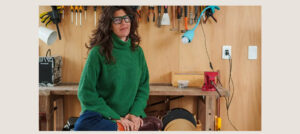
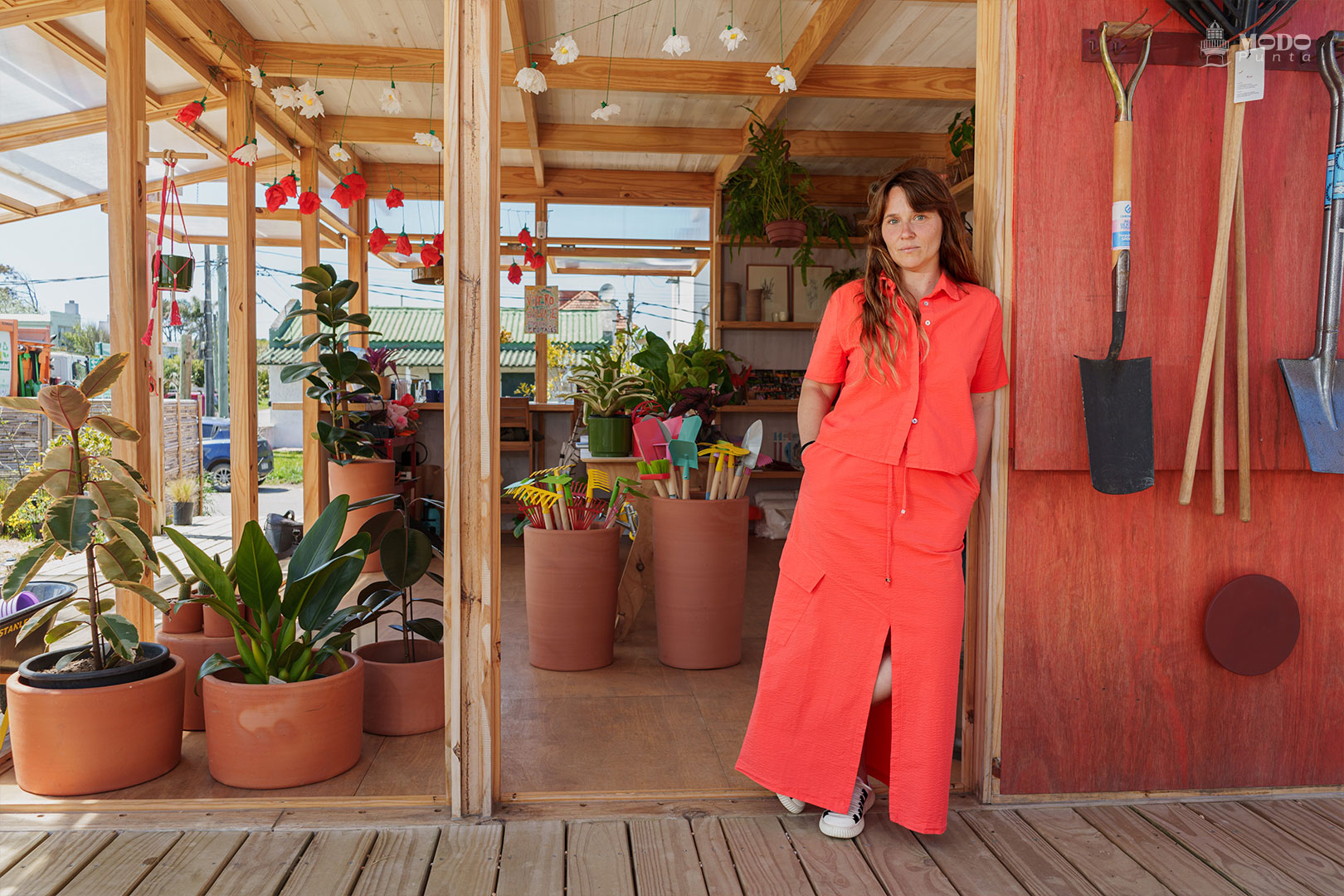
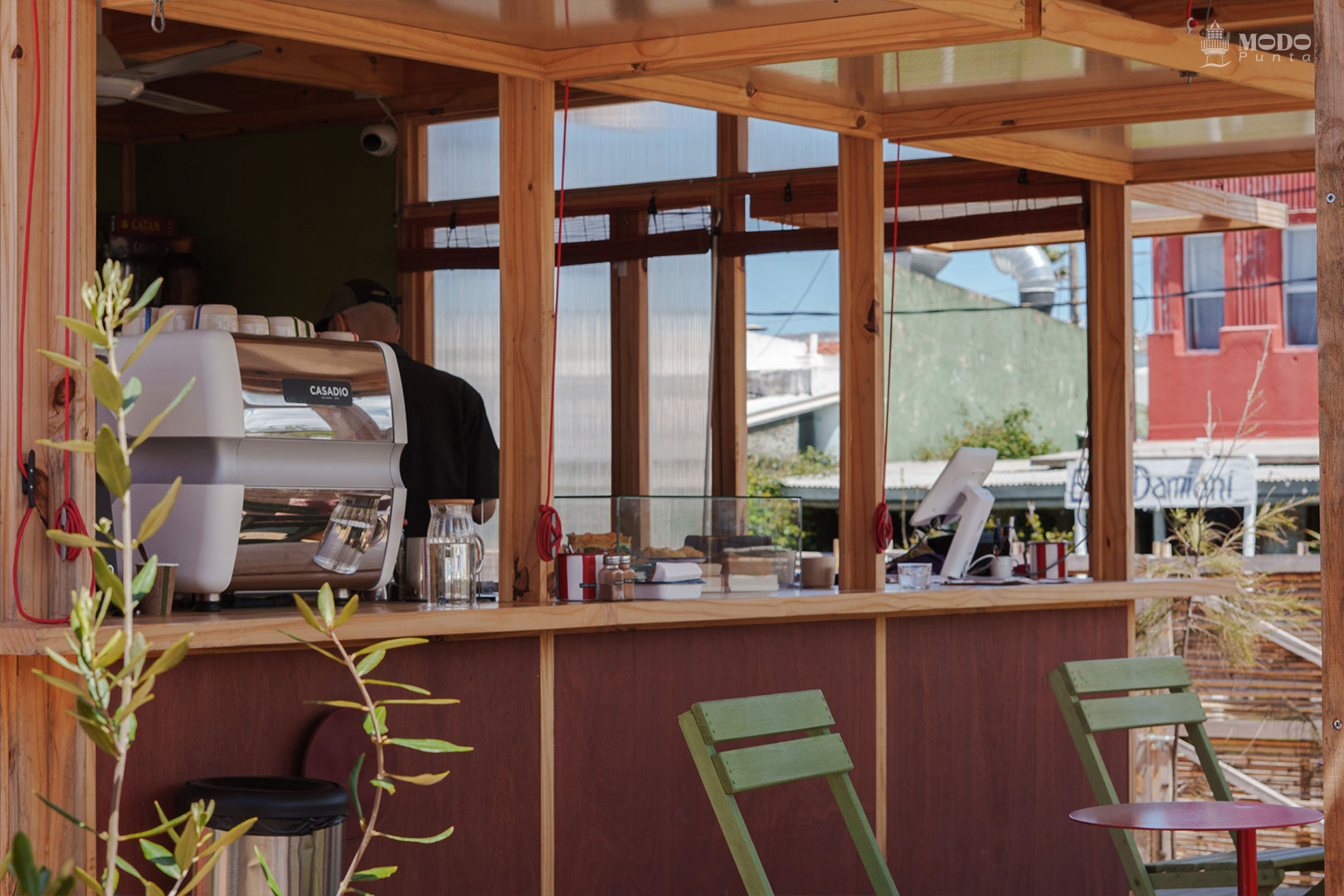
Julieta Riverti is a landscape designer and, more recently, a nursery owner. Together with her partner, Daniel Puig, she opened a venture in La Barra that combines two formats: Vivero Salvaje, the plant side, and the café Yuyo Café, owned by Puig. The nursery grew out of Estación Salvaje, the landscape studio Riverti co-founded, and for that reason it is organized as a garden rather than as a traditional retail space. “The nursery was conceived from a landscape studio, so it has a different background from an ordinary nursery”, she explains. The café, she adds, was always conceived as part of the same idea, with a significant cultural proposal.
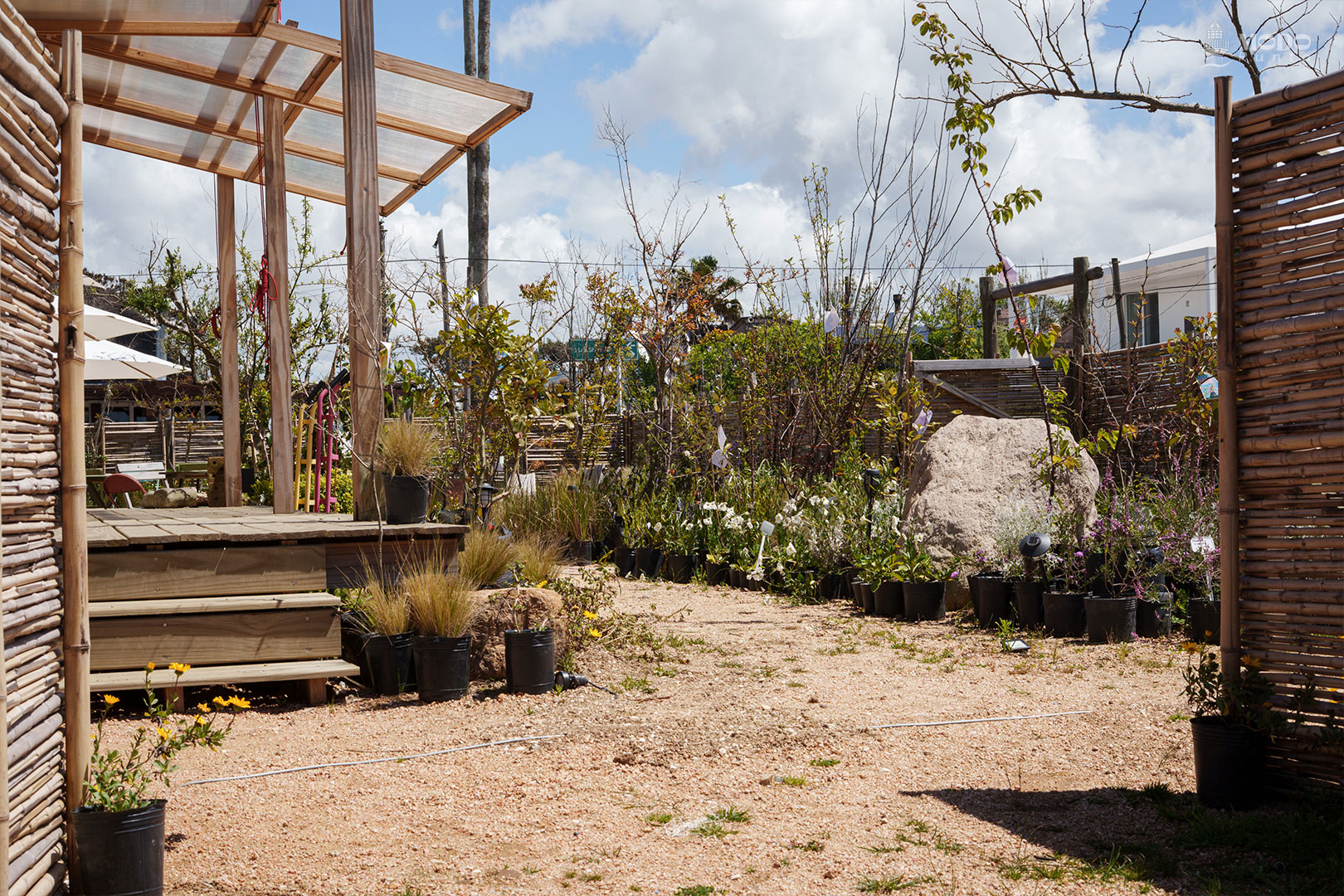
From weed to revalued species The café’s name, Yuyo, is a River Plate word for weeds, and it comes from the material the landscape designer works with. Riverti uses native plants that a decade ago were pulled out as weeds. “If we think back ten years, they were yuyos that you pulled out; today they are being revalued”, she says. She describes herself as one of the landscape designers in Punta del Este who works most with this kind of species, with the aim of restoring the original landscape.
Why La Barra
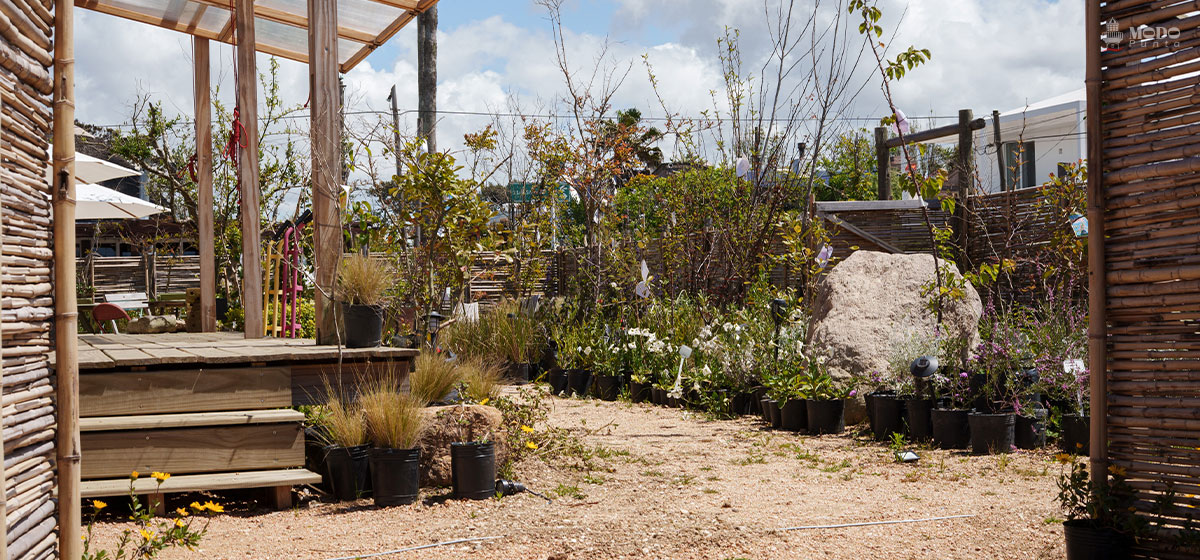
The search was limited to La Barra or Manantiales. Julieta grew up in the area and remembers an almost uninhabited place: “Back then not even the wind passed through; nobody lived here”. After the pandemic, new residents arrived and activity became constant throughout the year, with plenty of young people and a flow of visitors at any hour. The site, which she had been eyeing for a long time, is large, sits in the center of La Barra and works as a square. A wall at the back shields it from the south wind, a decisive factor for a nursery, and the north side is open, with no buildings, so it receives sun all year round.
What you will find at Vivero Salvaje
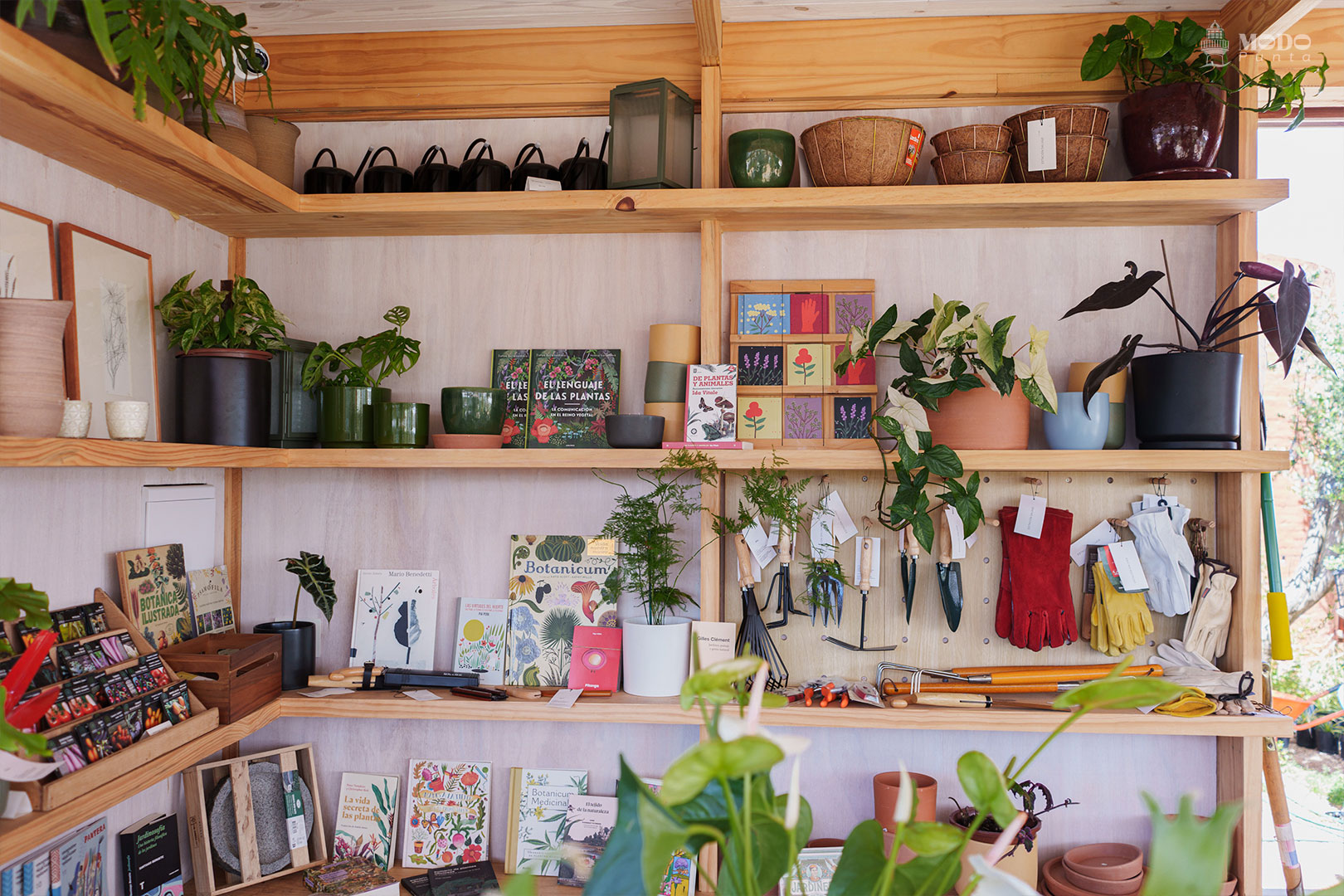
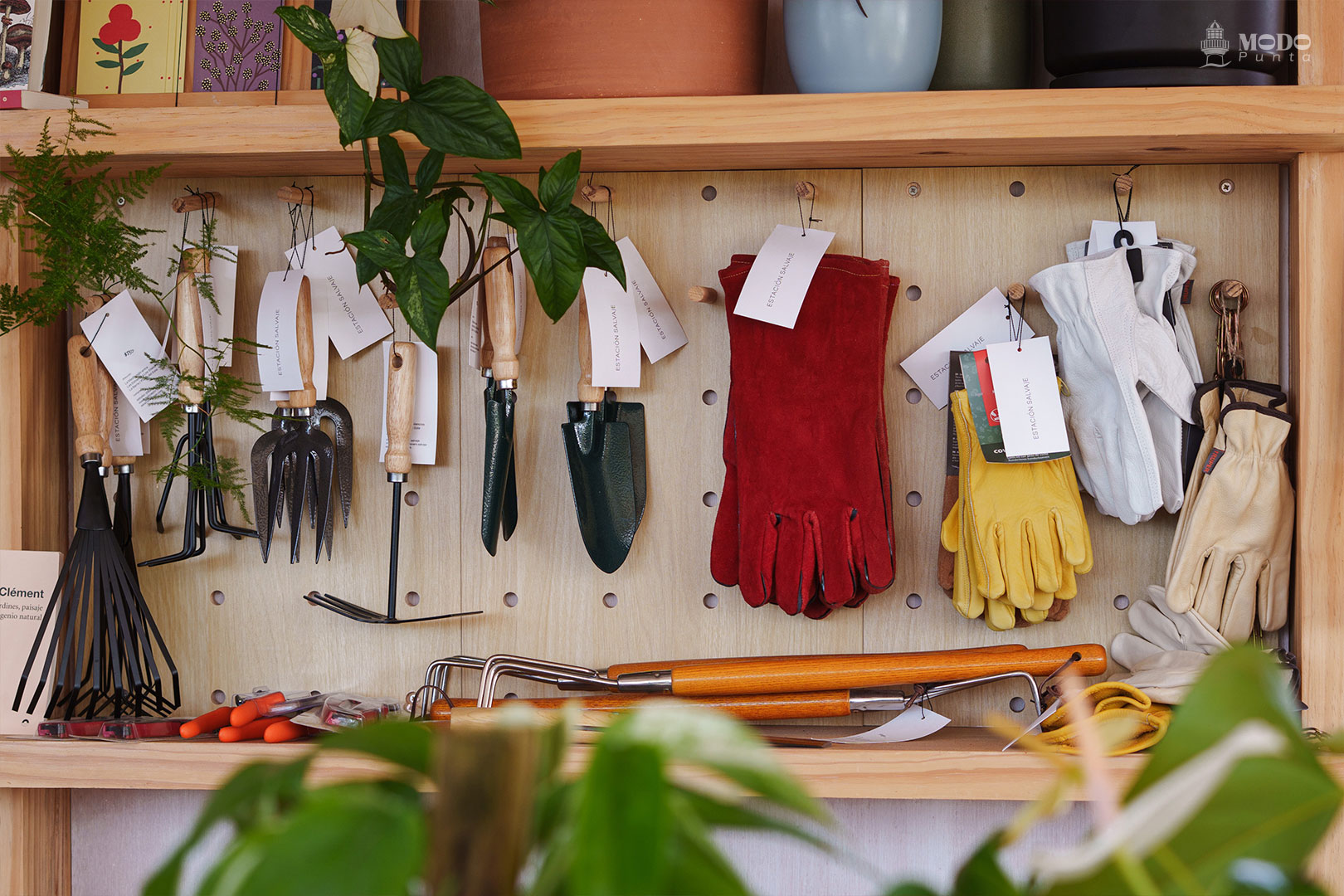
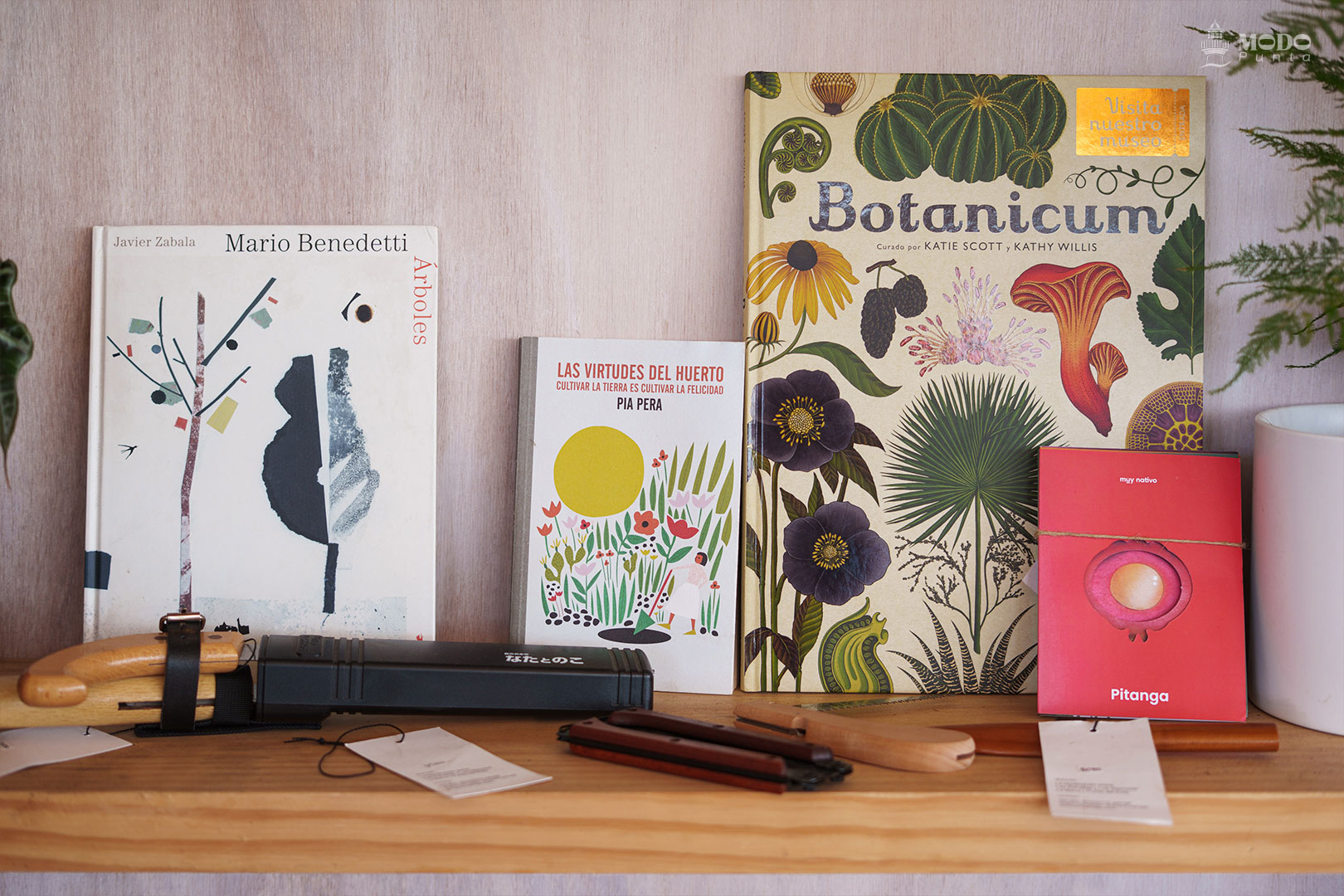
The selection includes native plants and non-invasive exotic species, pots, gardening tools, clothing and works by artists, as well as books by authors linked to the subject and seeds. There is also technical advice on what to plant according to the setting (shade, sand or wind), with the idea of “putting together combinations that work well over the long term”.


When to bring in a landscape designer
For Riverti, there is a landscape designer for every project: in Punta del Este today there are several generations of professionals, with very different costs, fees and approaches. She argues that hiring one reduces costs in the medium term. “Hiring a landscape designer saves you money down the road”, she says. Without that advice, she explains, people buy plants without knowing whether they suit the site, whether they are well placed or whether they will compete with one another, and over time they die and have to be replaced. Building a garden, she clarifies, is not just planting: it involves layout, earthmoving, drainage, wind studies and circulation. The landscape designer can take part only in the design, in wind advice or in a complete turnkey project, depending on the budget and how involved the owner wants to be. The moment at which they are called in has also changed. Although some still call them at the last minute, the studio increasingly works from the preliminary design stage alongside architects. “The house and the landscape are conceived under one language”, she sums up, and she reads it as a sign that houses are being designed more open to the outdoors and connected to their surroundings.
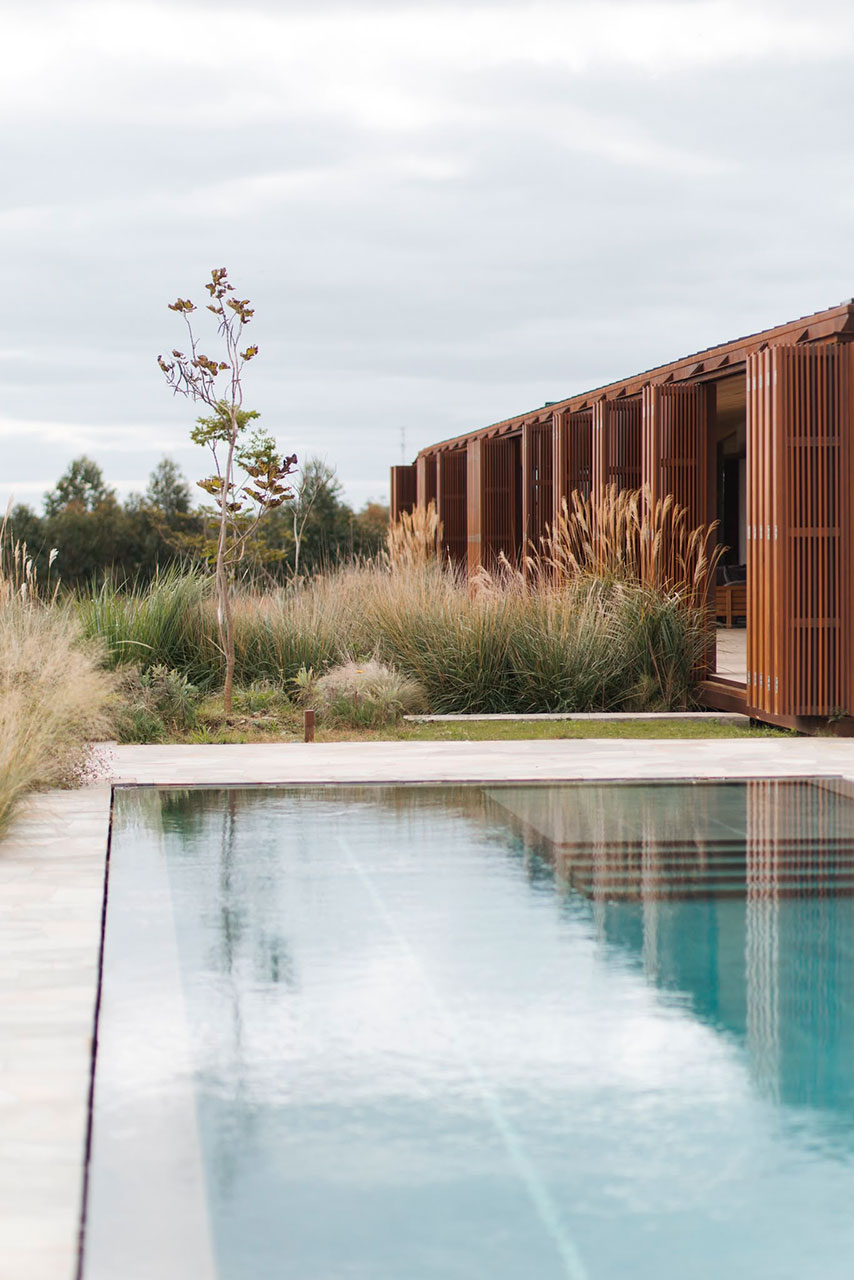
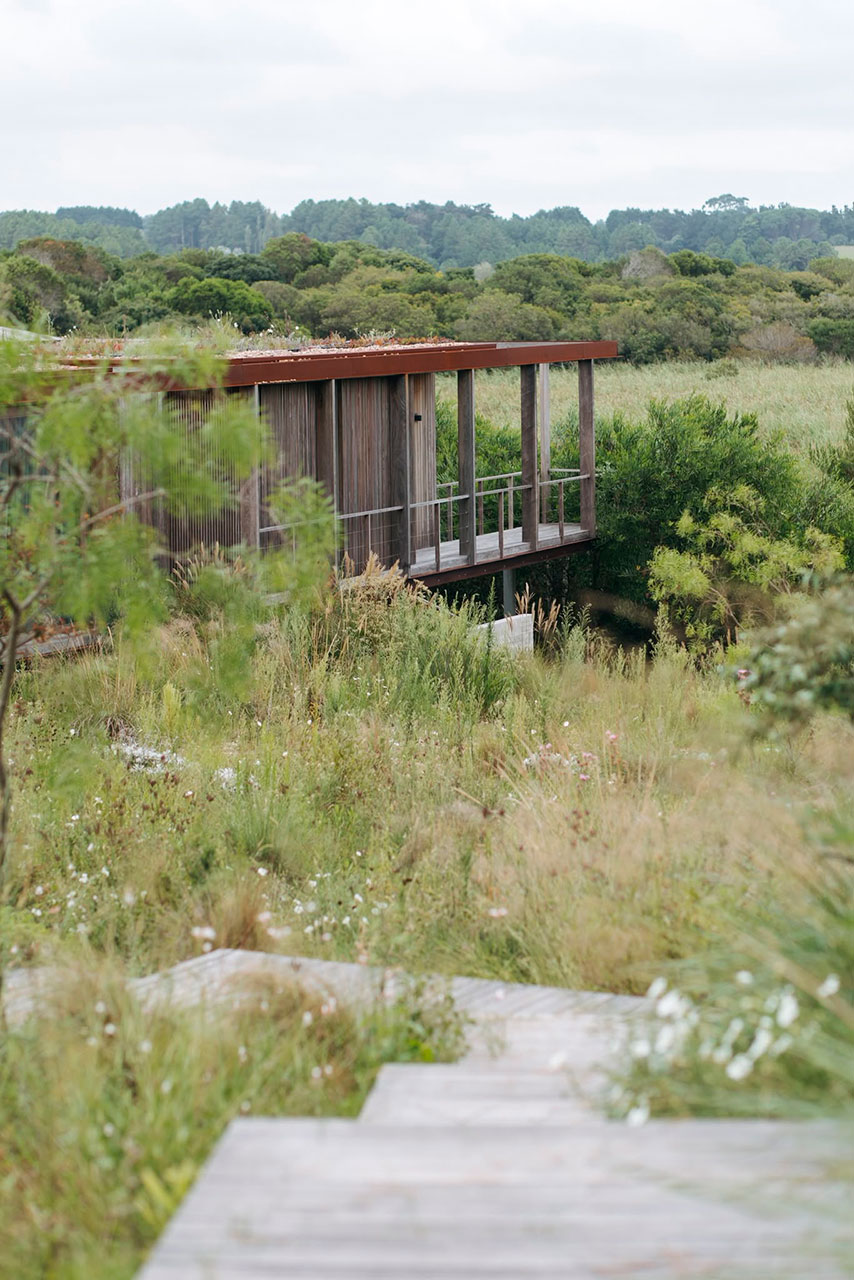
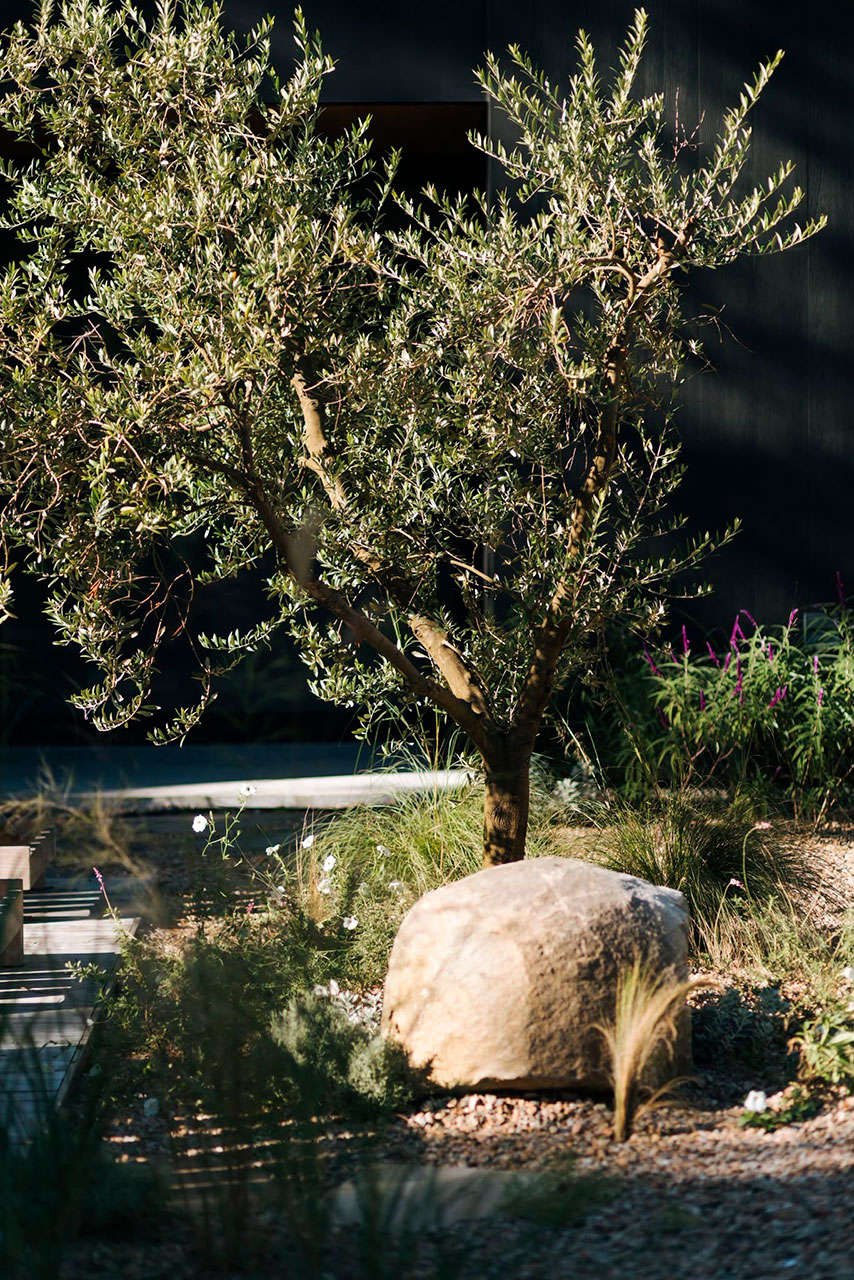
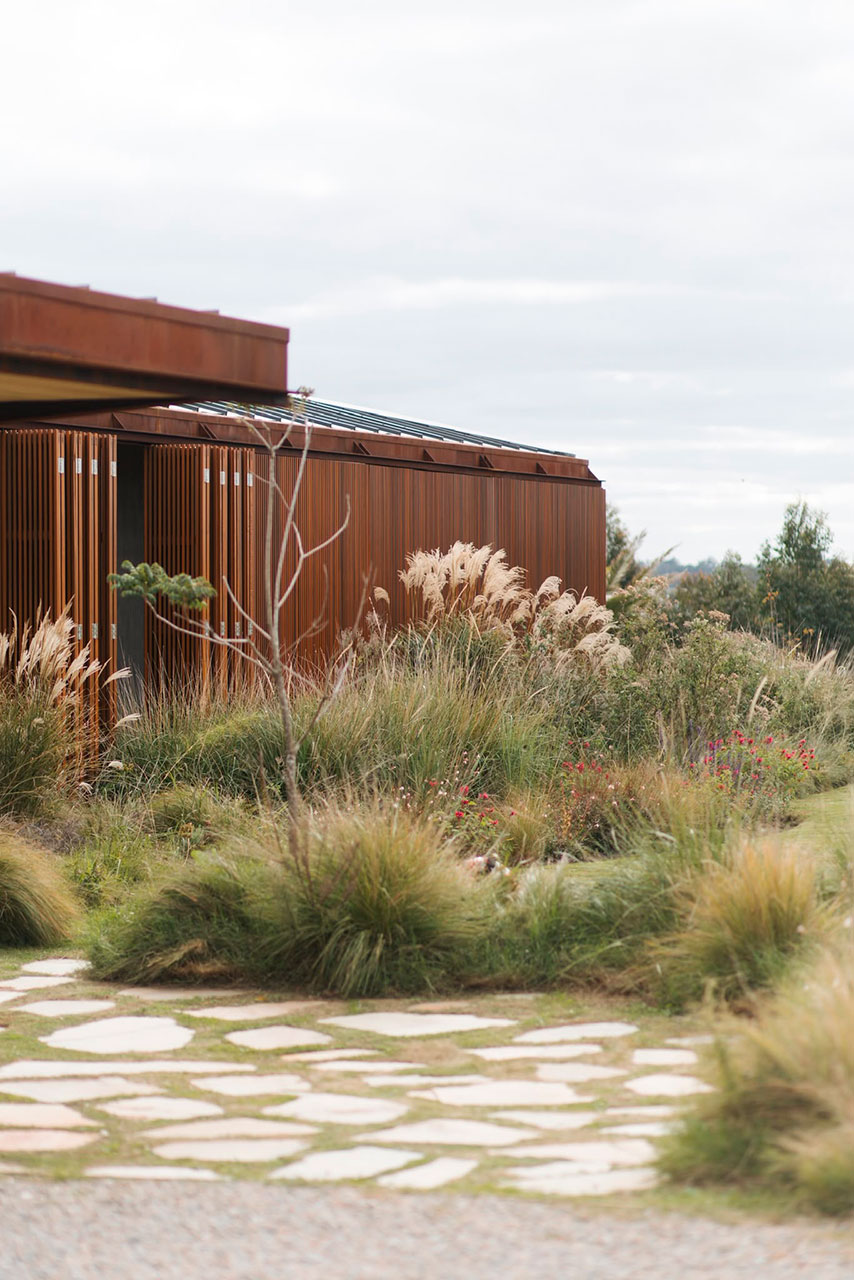
Gardens by Estación Salvaje
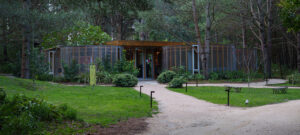
Landscape projects with native flora on the east coast, in photographs by Kiki Boffano.

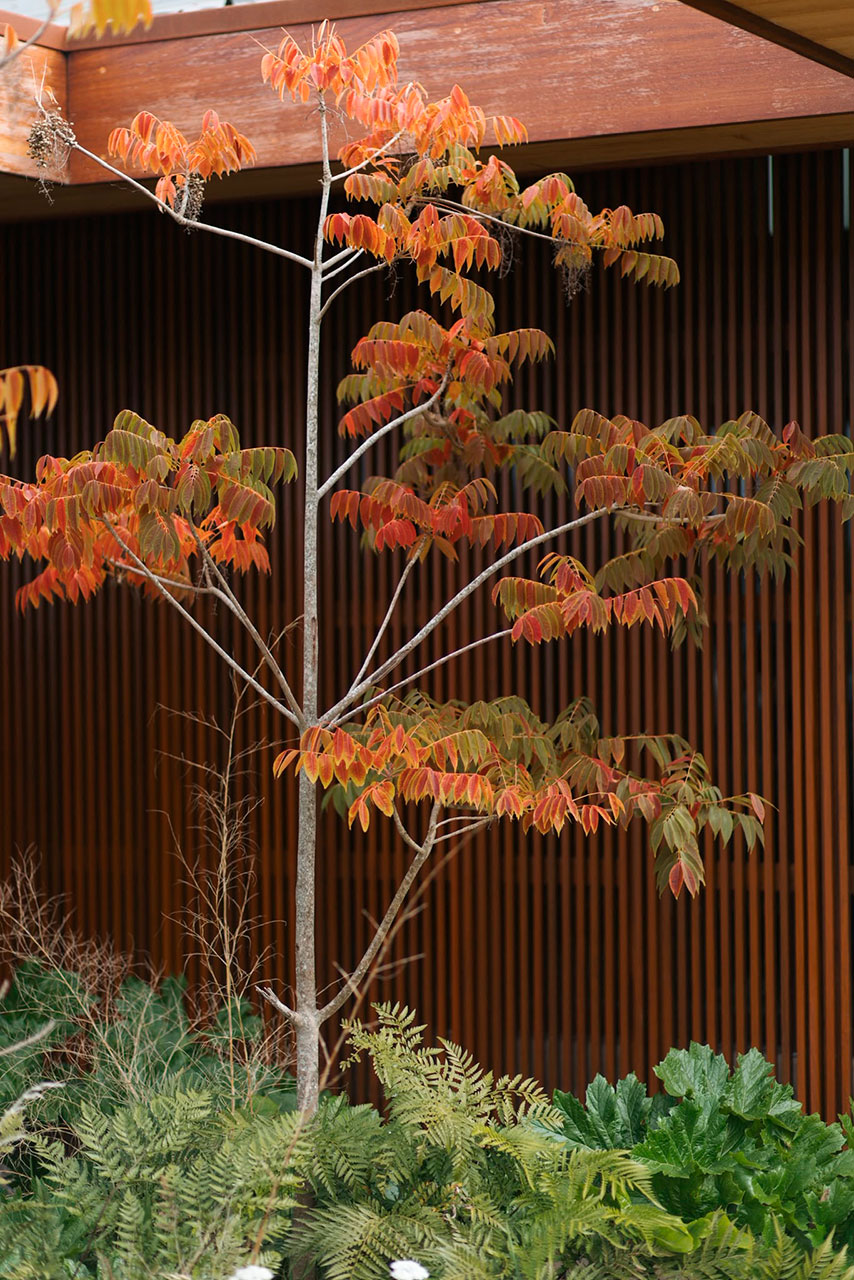

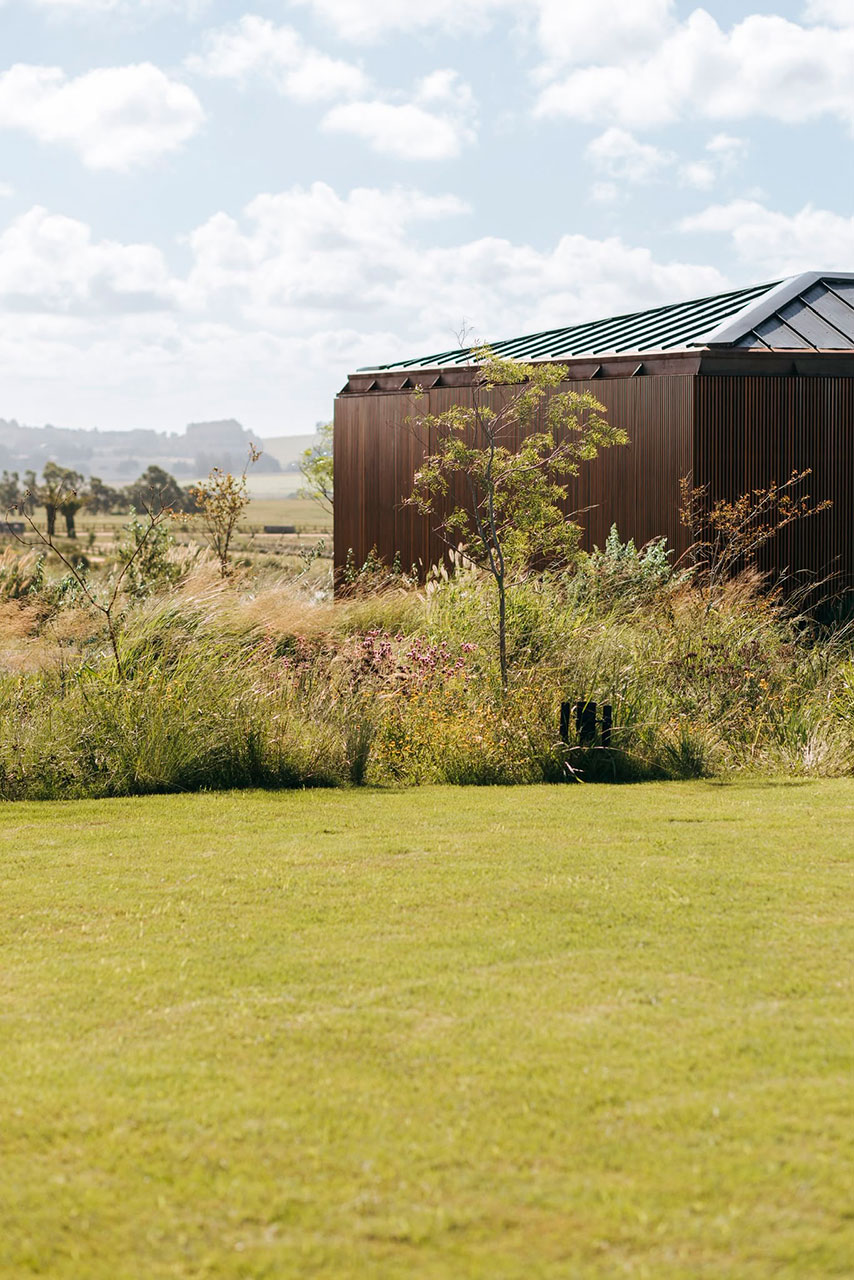
The garden and the value of a property
Asked whether landscaping adds value to a property, the answer is direct: “Without a doubt. A property with a designed garden gains a great deal of value”. According to Riverti, it changes the experience and quality of life of those who live in it, rent it or buy it. The studio is currently working on a house in Laguna Escondida designed for sale, where the garden was considered from the preliminary design stage. “Investing in the garden is not an expense at all; it dresses the architecture and completes the project”, she concludes.
From lawns to native flora
The landscape designer describes a shift in outlook across the region. Traditional gardens in Punta del Este were large lawn mounds with exotic plants foreign to the place. Today, landscape designers seek to restore the original landscape: on the coast they work directly on sand with species native to that ecosystem, and on rural plots (chacras) they use native trees to recover woodland or grassland. Grasslands and native flora, she adds, reduce maintenance. For Riverti, the difference between an untouched plot and a designed one is total. “The garden is the bride’s gown”, she says. A thoughtfully designed garden extends the house with spaces to walk through, fruit-tree areas and blooms at different times of the year, and brings back the chance to smell a scent, hear the leaves in autumn or see the trunks in winter.
How to visit Vivero Salvaje and contact Julieta
The nursery and the café are at La Meditación entre Los Silencios y Las Estrellas, La Barra, Maldonado. In spring and summer they are open every day, from 10:00 to 18:00. To follow the studio’s projects and the nursery’s news, follow @estacion.salvaje (Studio) and @vivero.salvaje (Nursery), or write directly to Julieta Riverti at +598-094-256-577. Modo Punta thanks Julieta Riverti for opening the nursery’s doors and for sharing a view of landscaping that puts native flora back at the center of the garden. If you have a business on the east coast and want to tell your story, write to us at info@modopunta.com. Article photos: VuelaVuela.tv