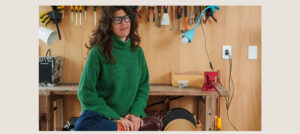
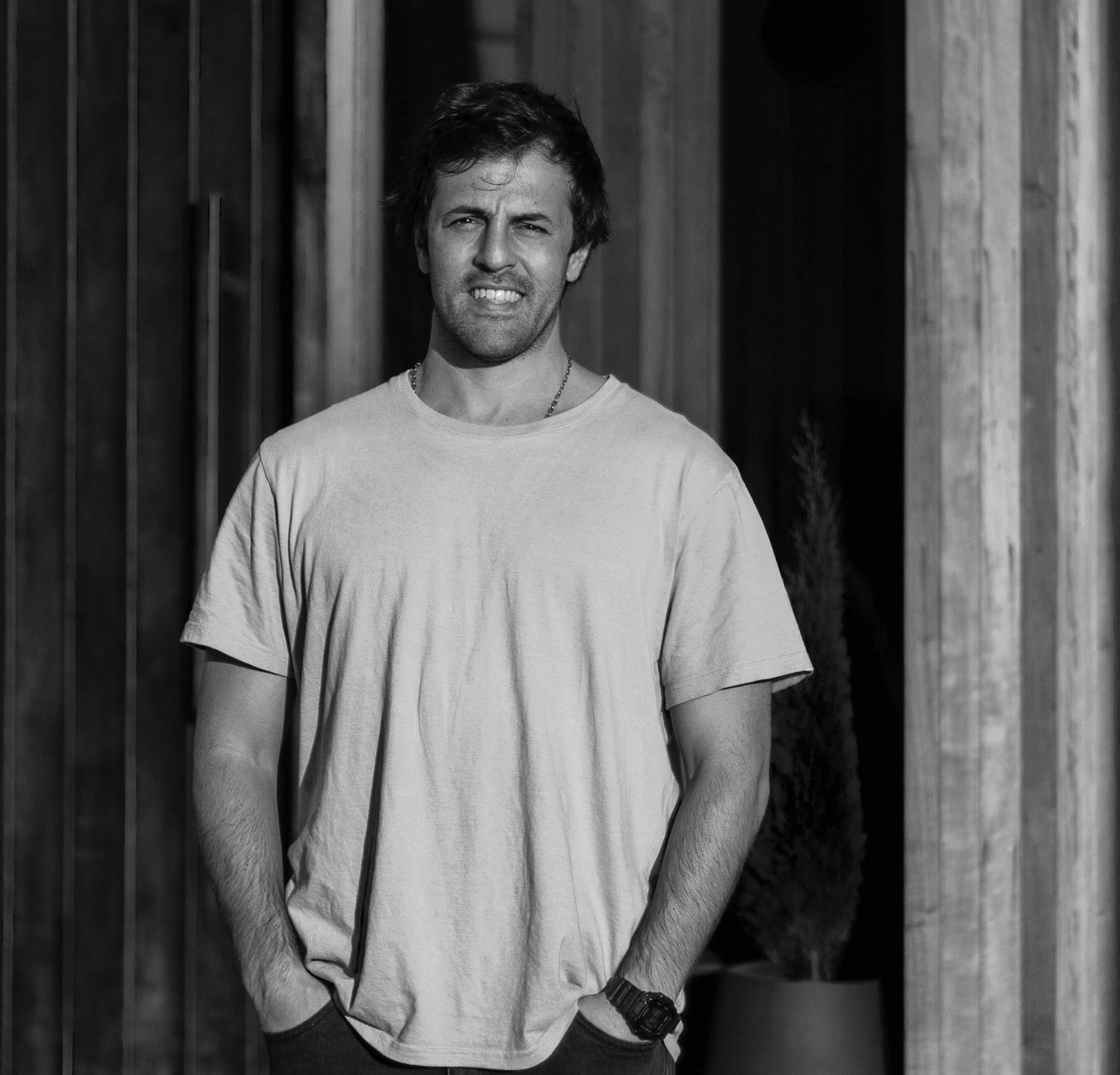
Sebastián Mengot is a Uruguayan architect, trained between Montevideo and California, currently based in Manantiales.
From his studio in La Barra he develops mid- and large-scale residential projects, integrating design, construction and a strategic view of real estate development. His practice combines architecture, execution and business vision, with a strong focus on build quality and on the way people live in a space.
The origin: creating, starting ventures and building
Sebastián Mengot traces the origin of his interest in architecture to an early need to create. From childhood, rather than being clear about what he wanted to do, he knew what things did not interest him. Over time he understood that what moved him was starting ventures and doing so through real, tangible projects.
Even before graduating, he had already driven various ventures and kept up a constant search to generate, build and make. It was during his first years of professional practice that he finally understood that architecture brought together those two dimensions that had always accompanied him: creativity and entrepreneurial spirit, applied to something concrete, physical and lasting.
Looking back, he recognizes clear signs of that path. From childhood he liked to design, make and assemble objects; he even produced wooden watches of his own design. Today he understands that the drive to conceive an object, design it and bring it into reality was already present then.
It was not until two or three years ago that he consolidated this outlook, focusing his work on the design and construction of houses as integrated projects, in which design, execution and business vision coexist from the start.
How would you define your studio’s architectural identity?
It is a difficult question, and I think many architects find it hard to define ourselves; in that sense, I identify quite a bit. I don’t think our studio has a defined identity. We adapt a great deal to each site, each context and each client. Each project has its own logic and its own character.
That said, over time and across projects, a line does begin to form, a sensibility that repeats and that, in some way, ends up giving identity. For me it is a living, changing identity that evolves with each building and will keep transforming until the last project we do. We are not interested in identifying with a fixed style.
If there is one concept that runs through almost everything we do, it is transitional spaces. In the studio we talk a lot about patios, in-between spaces, zones that are neither completely indoor nor completely outdoor. Those places of connection, where the boundary between inside and outside breaks down, are a very strong axis in our architecture.
I think there is a clear principle of our identity there: an architecture that seeks to integrate the setting, generate routes and create moments. From that, everything else can and should keep evolving.
center top no-repeat
“Architecture is not an isolated object: it is a decision that affects the place and the way people live.”
What do you look for when you approach the design of a living space?
What always rules is the site and the person who will live in the house. Context is decisive: orientation, surroundings, topography and views. It makes no sense to impose a typology or a language if the place calls for something else. The same goes for the client and the way they live and use spaces.
Formal or construction decisions are not isolated aesthetic choices, but consequences of correctly reading the place and understanding who the house is for. Architecture should respond to that and not to the architect’s ego.
The aim is for spaces to be bright, functional and well proportioned. That is the foundation. But the key is to go one step further: to make each house unique, make sense in its setting and reflect the identity of whoever lives in it.
The house is not for the architect, it is for the client. The studio’s job is to interpret, organize and strengthen that vision.
Today, several building systems coexist in Uruguay — such as traditional construction, steel frame and wood frame. How does the studio approach this diversity, and what are your preferences when designing and building?
At the studio, traditional construction accounts for roughly 90% of projects. It is the system we prefer and recommend, since it allows us to develop solid houses, meant to last and age well, something especially valued in the Uruguayan market.
There is also a cultural factor: solidity and the feeling of a “firm house” remain key. A home is also understood as an investment, so the studio works considering both use and long-term value and resale.
This does not mean ruling out other systems. Steel frame y and wood frame are part of the options when the project or the client warrants it. They are valid systems, well executed, although they follow a different logic and do not always fit what the local market is looking for.
Which materials do you prioritize when designing and building a home, and why?
Hardwood, stone and exposed concrete. Three noble materials that do not fail.
center top no-repeat
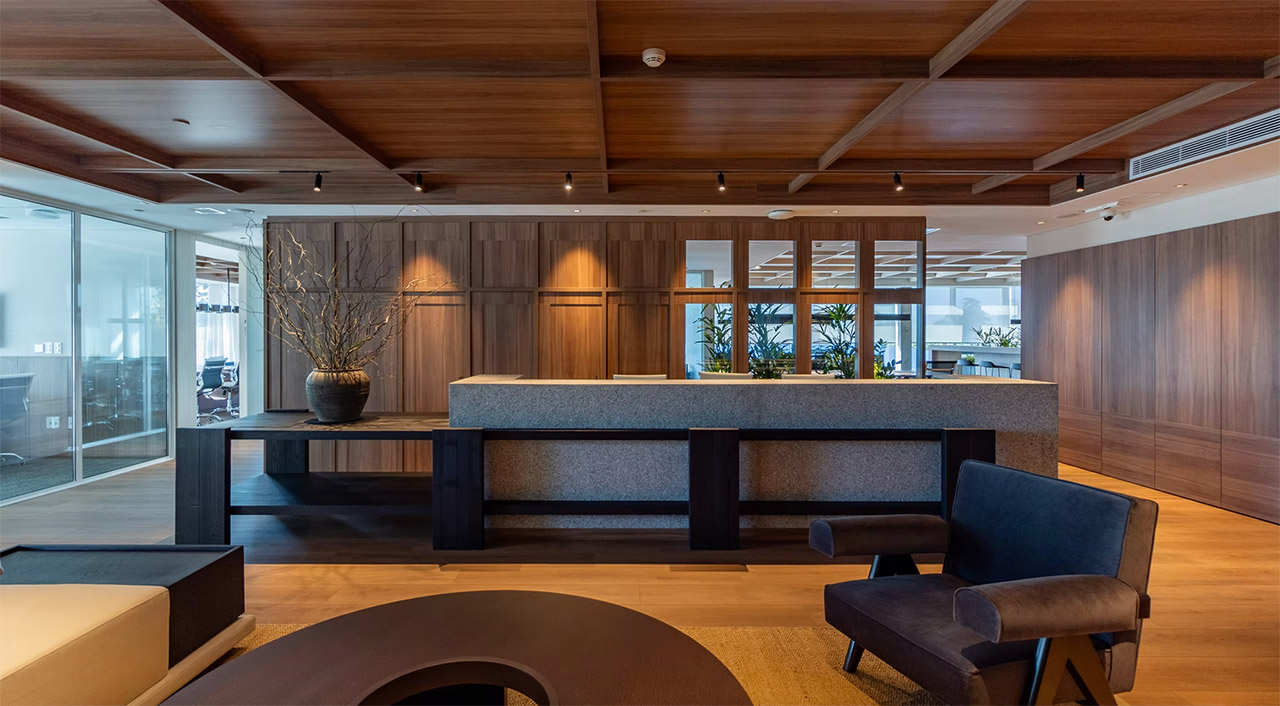
Office in Carrasco, Montevideo. Office in Carrasco, Montevideo.
Punta del Este keeps growing and attracting those who decide to build in the area. What kinds of projects is the studio developing today?
Punta del Este has been growing steadily and demand is rising at a strong pace. Today the client profile is increasingly diverse, with investors and families from the United States, Germany, Switzerland and other markets, marking a change of scale and expectations.
The studio focuses almost exclusively on high-end homes designed for year-round use. These are projects conceived to work as a permanent residence, seasonal use or rental, with solid, comfortable architecture adaptable to different scenarios.
For those looking for an architecture firm to build their home, what aspects do you consider key when choosing, beyond budget?
For me there are several key things beyond budget. The first is that the studio is in the area, that it knows the place, the market, the regulations, the suppliers and the real dynamics of construction. Designing a house without being present is a mistake.
The second, and no less important, is knowing who is really behind the project. A bigger firm does not mean a better result. Very often the work ends up in the hands of someone junior and the client loses control and quality in the process. In our case, every project goes through me. We are a boutique studio: we aim to do less, but do it very well, with real attention to detail and to every decision, especially in the design phase, which is the foundation of everything that follows.
I strongly believe in direct relationships, trust and personal involvement. A house is a big investment and a very intimate project; it cannot be treated like a mass-produced product.
Is there a project that especially represents the studio and that you would like to share? How did that commission come about?
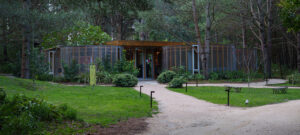
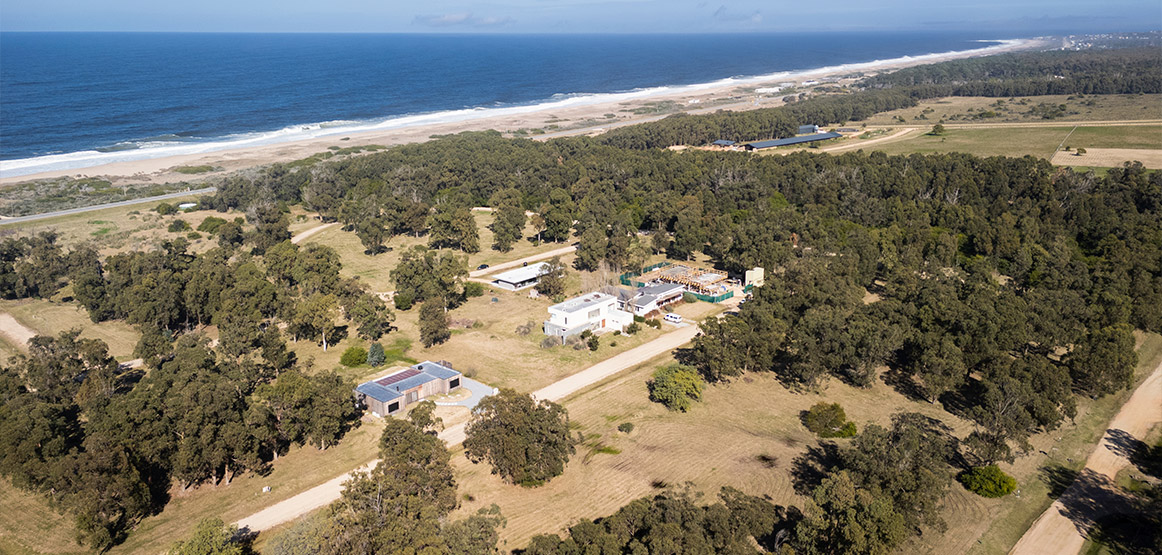
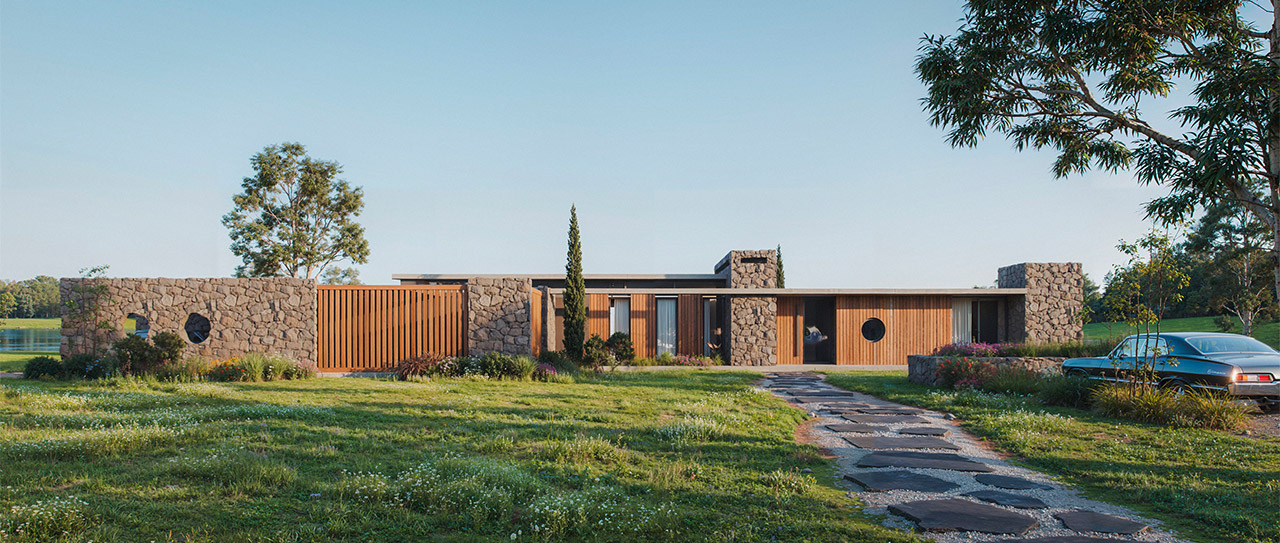
One of the studio’s most recent and representative projects is located in Reserva Montoya. It is a house that integrates directly into the forest, respecting the existing pines and letting the setting define the typology.
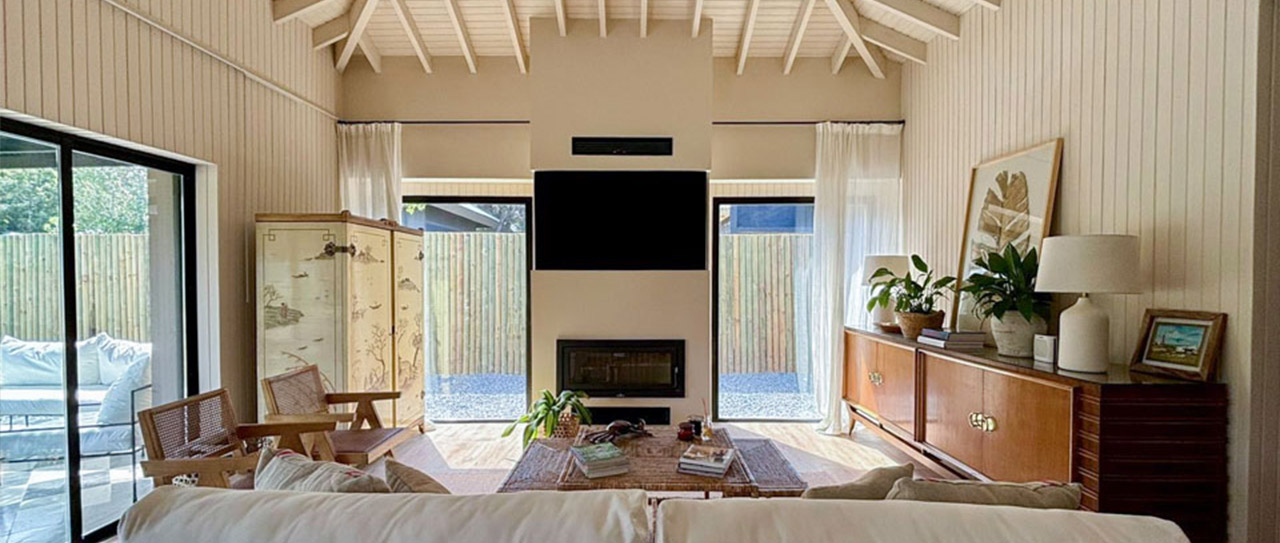
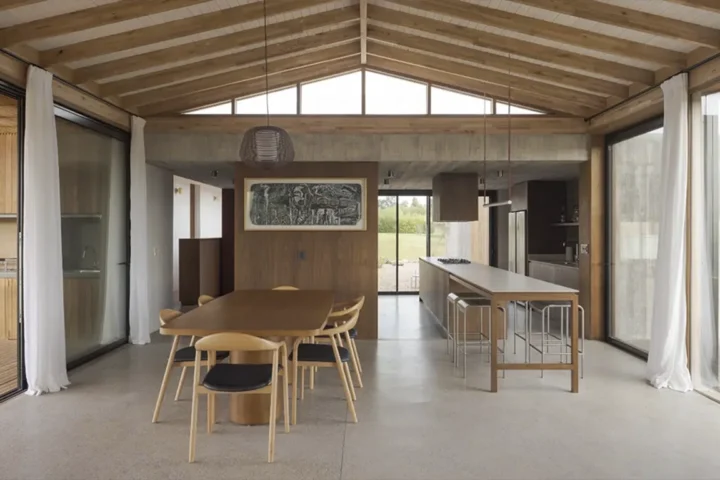
The house opens to the landscape and weaves between the trees, creating a fluid relationship between indoors and outdoors. With four bedrooms and a strong presence of stone and wood, the project achieves a warm, natural and contemporary architecture.
Today the house is lived in by a Brazilian family and clearly reflects how the studio understands the relationship between architecture, setting and way of living.
Completed project – Reserva Montoya – Lot 165
center top no-repeat
3930,3931,3933
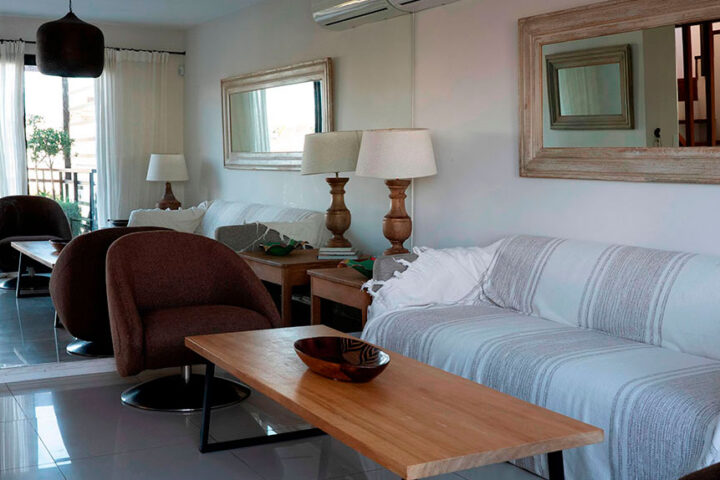
Images of projects completed by the studio
center top no-repeat 3943,3934,3929
Based in La Barra, what areas does the studio’s work cover today?
Today the studio’s base is in La Barra, and our main focus is the whole area of La Barra, Manantiales and the coast up to and including José Ignacio. That is where we work most and where we know the market, the neighborhoods, the regulations and so on best.
That does not stop us from developing projects in other areas. We have reach across all of Punta del Este, from Solanas to José Ignacio, and we are prepared to take on projects anywhere if the commission warrants it.
But, to be honest, our strength today clearly lies on that axis: La Barra–Manantiales–José Ignacio. That is where we concentrate most of our work and where we feel we can add the most value.
To close, any concept, idea or reflection you would like to share?
If I had to leave one concept, I would say we are at a unique moment in Punta del Este. A combination that is hard to repeat is taking place: real growth, the arrival of capital, a change in the profile of the public and a genuine interest in doing things well. Today Punta is no longer just a summer destination; it is a place to live, invest and plan for the long term.
I see many people discovering the area for the first time and others coming back with a different, more mature outlook. I think it is a great opportunity to be part of that process, to build with quality and vision. It is not just about making a house; it is about joining a place that is in full growth and transformation.
From our position, we seek to accompany those who want to take that step: to live, invest or develop in the area. Practicing architecture in this context is a privilege, but also a responsibility, because what is built today will define how life is lived here for the coming decades.
That is, perhaps, our studio’s greatest challenge: to be part of the growth while thinking about the future of the city. No disposable architecture. No building for the sake of building. Thinking about the whole. Because we design the city together, and whether it works well or badly over time depends directly on the decisions we make today.
–
To learn more about Sebastián Mengot’s work, visit his website sebastianmengot.com and his Instagram.
Keep exploring #ModoPunta
A visual tour of Punta del Este that combines photography and audiovisual material to show each area as it really is, designed for those looking to buy or invest with clear, reliable information.
center top no-repeat
grid
date
DESC
real-estate