
The startup founded by Franco Rodríguez Viau combines artificial intelligence and satellite data to detect fires before they escalate. After closing a multimillion-dollar round, it plans to expand in Uruguay and already offers its service in the region.
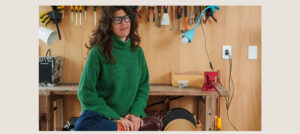
At 22, Franco Rodríguez Viau leads one of the most distinctive ventures in Latin America’s climate-tech ecosystem. As CEO of Satellites on Fire, he heads a team that combines artificial intelligence, satellite imagery and predictive models to detect wildfires before they escalate. The company was founded in 2020 with partners Joaquín Chamo y Ulises López Pacholczak, with whom he began developing the technology during their school years. What started as a school project evolved into a solution now applied across multiple industries. That growth was consolidated with a seed round of US$2.7 million, driven by international funds such as Dalus Capital, Draper Associates, VitaminC y Draper Cygnus, among other investors focused on technology solutions to environmental challenges. For Diego Serebrisky, Managing Partner at Dalus Capital, the potential is clear: “It is an example of how Latin American talent is creating world-class artificial intelligence solutions to confront climate change.”. 
From a personal experience to a global solution
The project’s origin is shaped by a direct experience. As a teenager, Rodríguez Viau witnessed fires that affected people close to him in Argentina, a turning point that steered his technological vocation toward environmental impact.
“That is when I understood that technology could be used to solve real problems,” he explains. “We started with a fairly basic idea, but over time we learned that what mattered was listening to the people who face the problem every day.”. His connection with technology began at the ORT school in Buenos Aires, where he specialized in ICT, took part in computer science olympiads and developed his first projects with a social focus.
Learning from mistakes: the pivot that defined the product
The initial path was far from linear. After developing a first prototype based on satellite imagery, the team presented it to firefighters. The response was blunt: it was not useful.
“It was a hard blow, but also the most important lesson,” he recalls. “We realized that before building solutions we had to understand the problem deeply.”. From there, the team began a process of constant iteration, interviewing users and redesigning the product until arriving at a system operating in multiple countries.
How the platform works
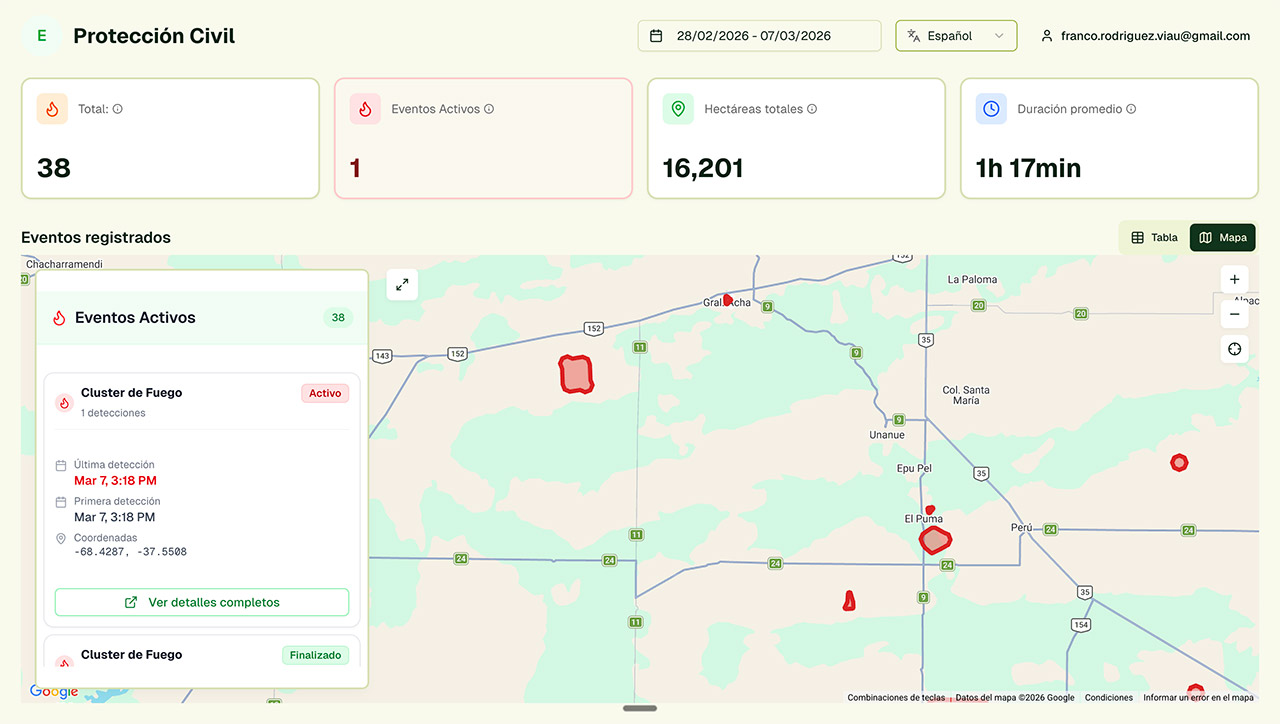
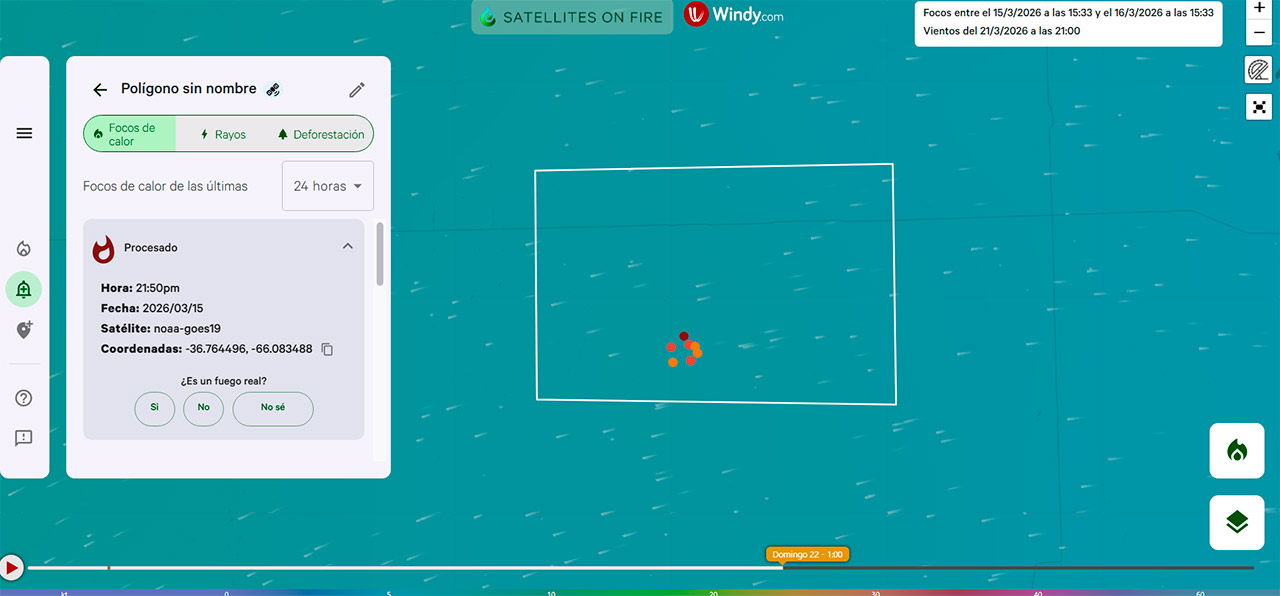
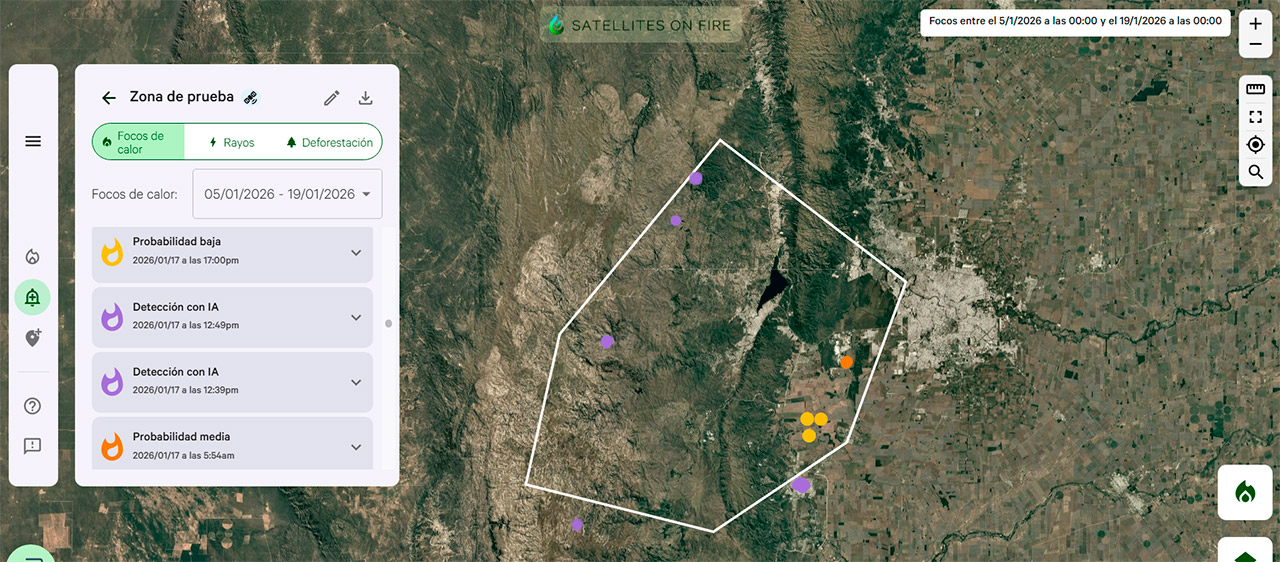
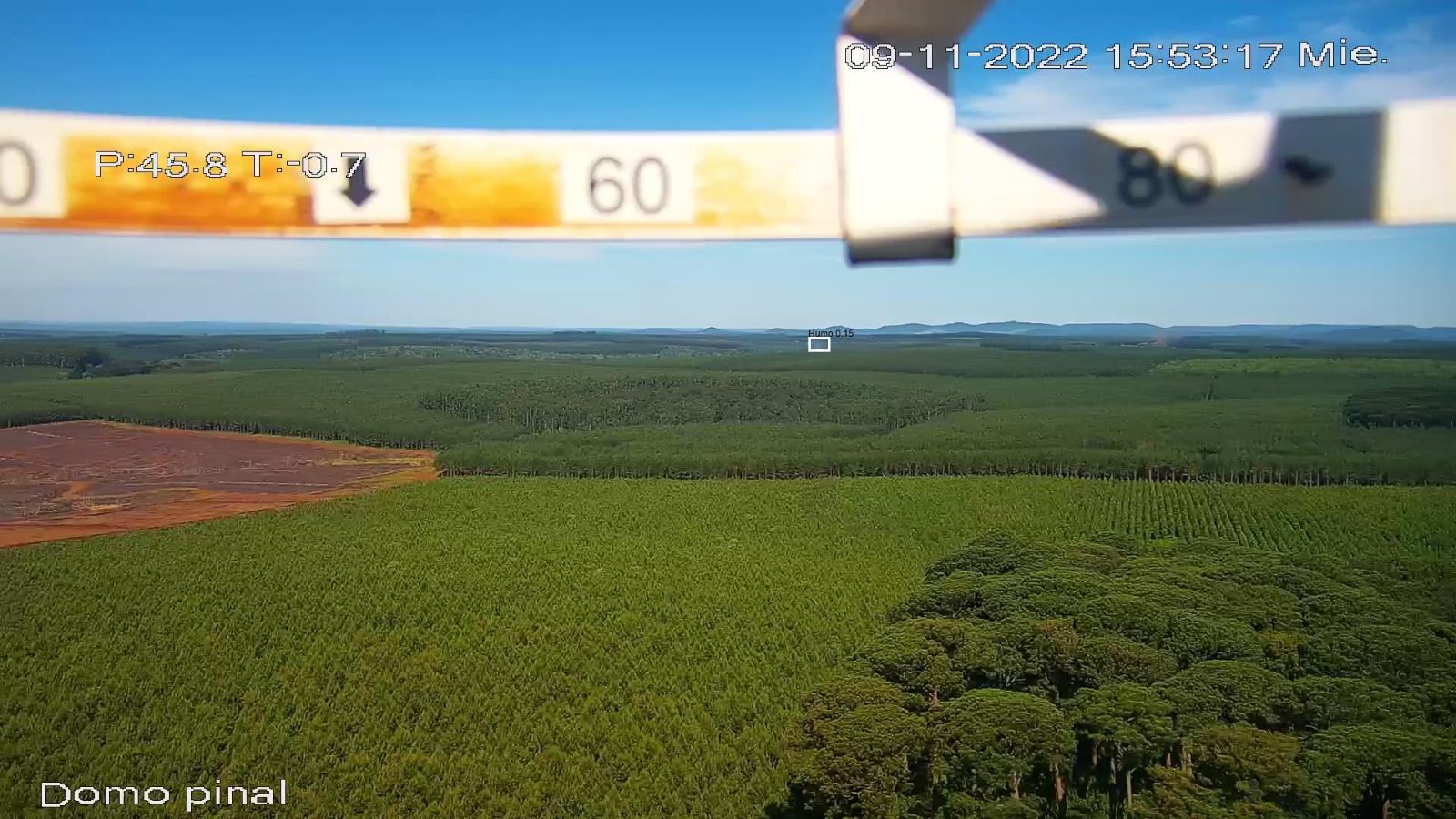
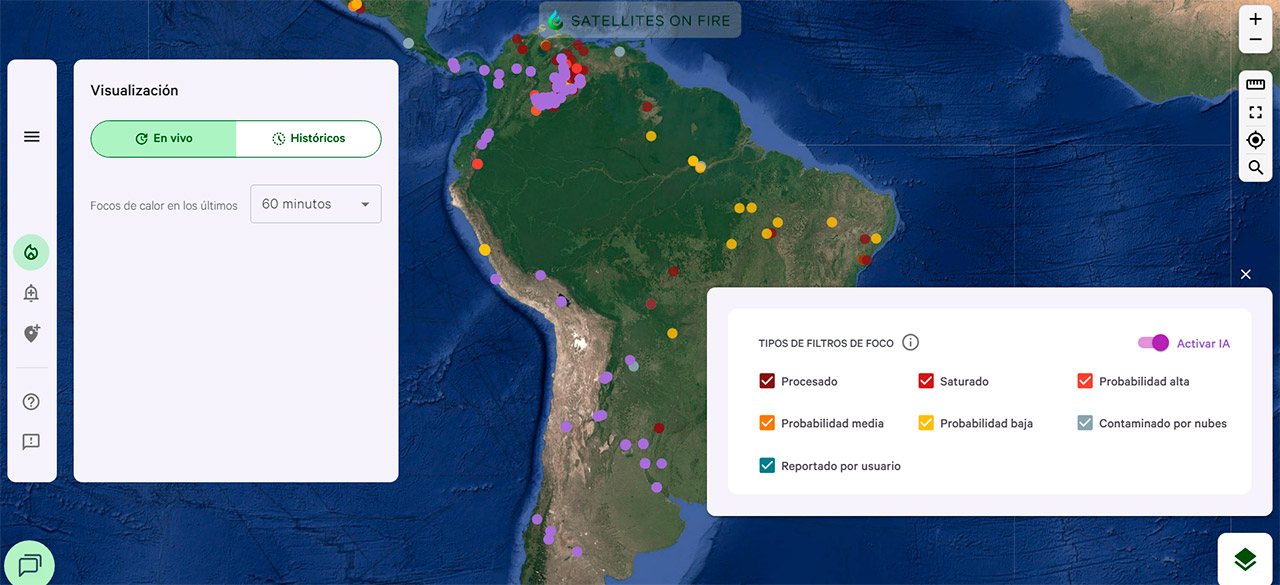
Satellites on Fire operates as software that integrates data from multiple satellite networks — including sources such as NASA, NOAA and the European Space Agency— and processes it through its own artificial intelligence models. The platform combines satellite information updated every few minutes, tower-mounted cameras and fire-spread simulation models. The system detects heat sources and sends real-time alerts via WhatsApp, email or SMS, along with visualizations of the fire’s expected behavior.
“We process information from multiple satellites within minutes,” explains Rodríguez Viau. “That allows us to alert even before the fire is visible to people on the ground.”. Unlike other approaches that require developing their own infrastructure, the company bets on a software-based model that integrates different technologies. This lets it detect fires, on average, up to 35 minutes earlier than traditional systems, improving response capacity.
Screenshots of the Satellites on Fire app
Scale, data and field validation
The company’s growth was gradual. Its first revenue came from a single client in Argentina; today, the platform has more than 55,000 users under a freemium model and a presence in more than 20 countries. The development of its algorithms rests on more than 20,000 field validations, which allowed it to build one of the most significant ground-report databases in Latin America.
“In 2025, our system helped in the response to more than 600 wildfires,” he says. “Our mission is to protect communities, biodiversity and production before it is too late.”. Its clients include forestry companies, agricultural organizations, insurers and governments, sectors where prevention has a direct impact on costs and sustainability.
Uruguay as the next strategic step
Regional expansion is one of the current priorities. The company, of Argentine origin, is already working on pilots with players in Uruguay’s forestry sector and is evaluating setting up local operations.
“We are moving ahead with pilot tests and exploring the opening of a company in Uruguay,” says the CEO. “We also want to connect with public bodies and the local ecosystem.”. In the meantime, the service is already available: landowners, companies and organizations can sign up for the platform directly through its website or app.
Technology, scale and a clear premise
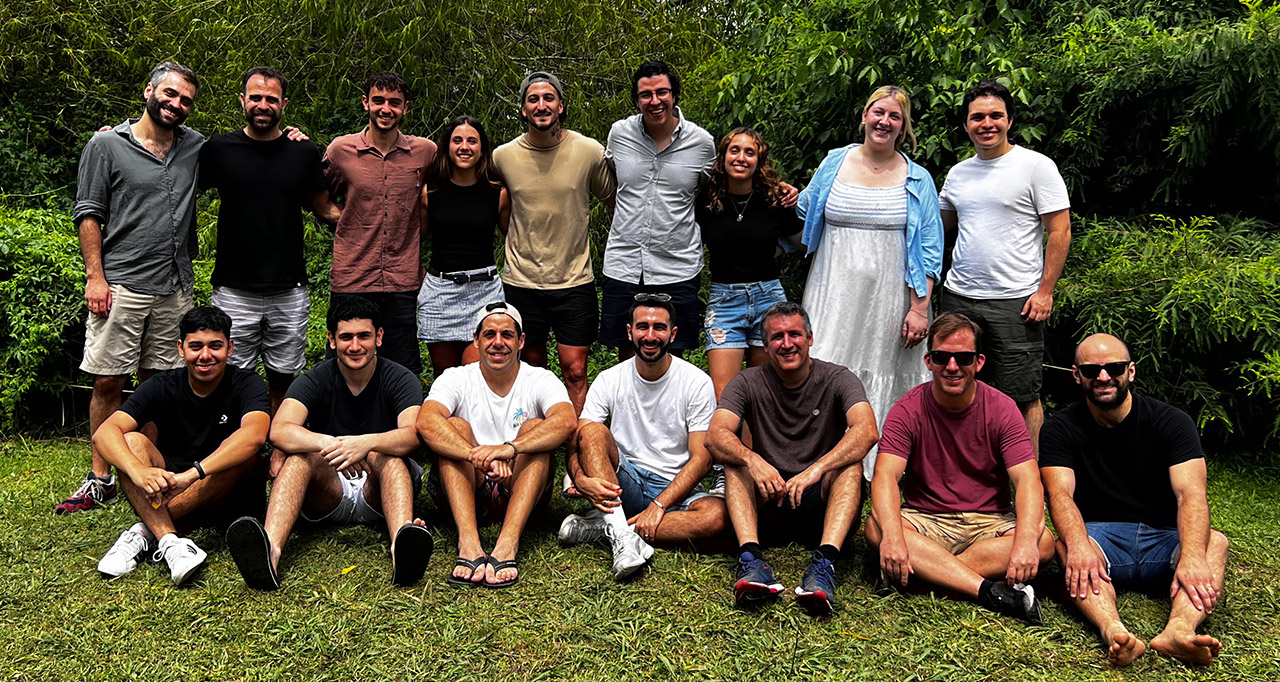
With a growing team and a presence on four continents, Satellites on Fire aims to position itself as a benchmark in early fire detection in Latin America and to move into markets such as the United States. But beyond the technology, Rodríguez Viau insists on an idea that runs through the whole story of the company:
“The best solutions are born from understanding real problems. You should not be afraid to start, even without having everything figured out.”. In a context where wildfires are increasing in frequency and intensity globally, the approach of anticipating — rather than reacting — is starting to establish itself as a new standard. –
Photographs: Courtesy of Satellites on Fire.