Building in Punta del Este is the project of many. Yet between the dream and the handover there is a distance few measure before signing. There is no need to rush decisions: it is essential to ask for verifiable references from the professionals and services you hire. We present an honest review of the paperwork, the real timelines and the coastal climate. Every headache has a solution if you plan ahead together with Modo Punta.
Every year, at some December barbecue, someone tells the same story. They bought a lot on the east coast and commissioned a house for the following summer. They ended up moving in two seasons later, with a blown budget. The anecdote circulates so widely that it has become a popular saying: building in the Punta del Este region is a headache.
It does not have to be. The region concentrates three main sources of friction. First, administrative procedures and permits. Second, the logistics of the work and its schedule. Finally, a climate that imposes real conditions on the timeline. None is an insurmountable obstacle if it is understood from the start.
The paperwork first: what to know before building in Punta del Este
Uruguay does not put up barriers to foreign investment in real estate. No prior residency or local partner is required to buy a lot. This openness sustains a large part of real estate demand. However, openness does not mean the absence of procedure.
The process always goes through a public notary (escribano). Its role guarantees the legal security of the transaction. It verifies titles, drafts contracts and handles the deed. For foreign buyers, the key step is obtaining the RUT from the DGI (tax authority). It is advisable to include these procedures in the initial schedule to avoid unnecessary delays.
Municipal permits and final approval
Once the lot is acquired, the building permit must be processed with the Intendencia de Maldonado (the departmental government). The permit is approved upon submitting the required documentation and proving the corresponding payment. Delays usually occur in the earlier stage, when correcting technical observations on the project.
When the work is finished, the responsible technician has one month to request the final approval. If this deadline passes without it being processed, the Intendencia will impose penalties on the owner. It is the procedure most often forgotten, since people assume the work ends with the handover of the keys.
The bottom line: almost no legal complaint arises from arbitrary regulations. They arise from deadlines that were not explained in time. An architect with local experience turns these stages into a predictable schedule when developing a property on the east coast.
The build: advanced alternatives and evolutionary steel frame architecture
The construction sector on the east coast grew by about 60% over the last five years. This boom brought high demand for skilled labor. As a result, during high season, construction sites compete directly with tourism and gastronomy.
The main friction reported is the fragmentation of responsibilities. An architect designs, a construction company executes, and an owner is far away. Each uncoordinated link generates information loss, extra costs and delays. Hiring a team that integrates design and execution solves this problem.
Modo Houses: smart design and real-time control
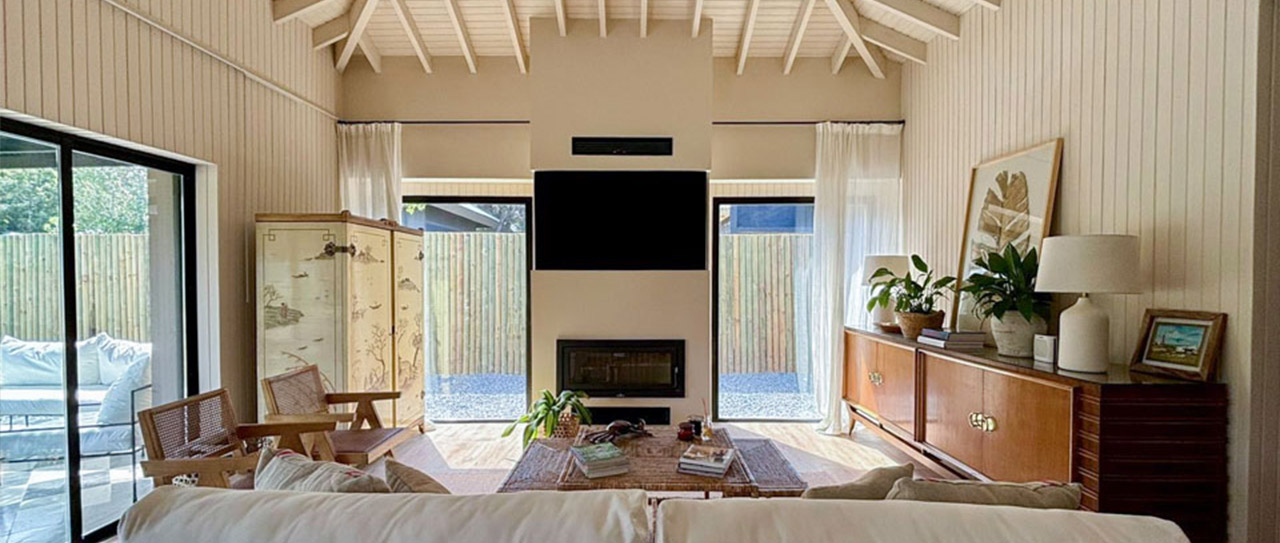
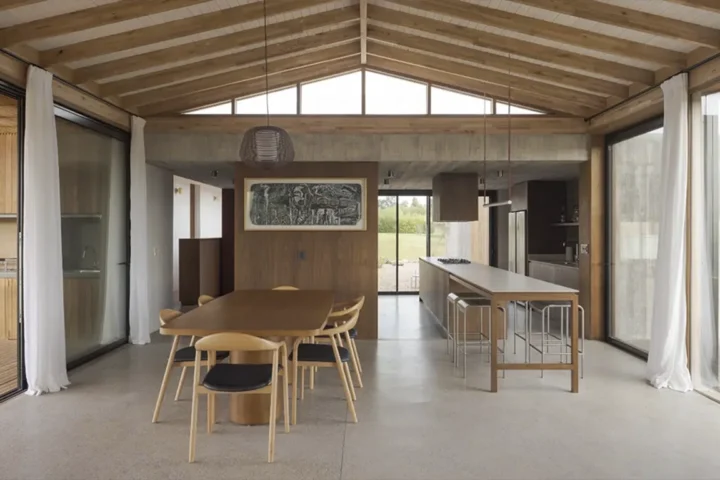
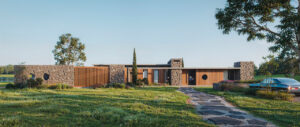
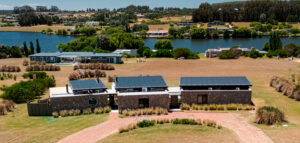
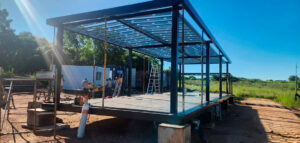
To solve these frictions, initiatives driven from Modo Punta such as Modo Houses offer a dedicated line of homes produced in steel frame. These homes stand out for architecture with its own identity and a 100% functional design that optimizes every square meter. Their main differentiator is the ability to grow in stages through an evolutionary system, allowing the construction to be adapted to the owner’s needs over time.
In addition, to give complete peace of mind to those who live in another region of Uruguay or abroad, Modo Houses implemented a system with an online schedule accessible to the client. This tool makes it possible to monitor in real time the exact stage the construction project is in, ensuring continuous, transparent support without surprises from a distance.
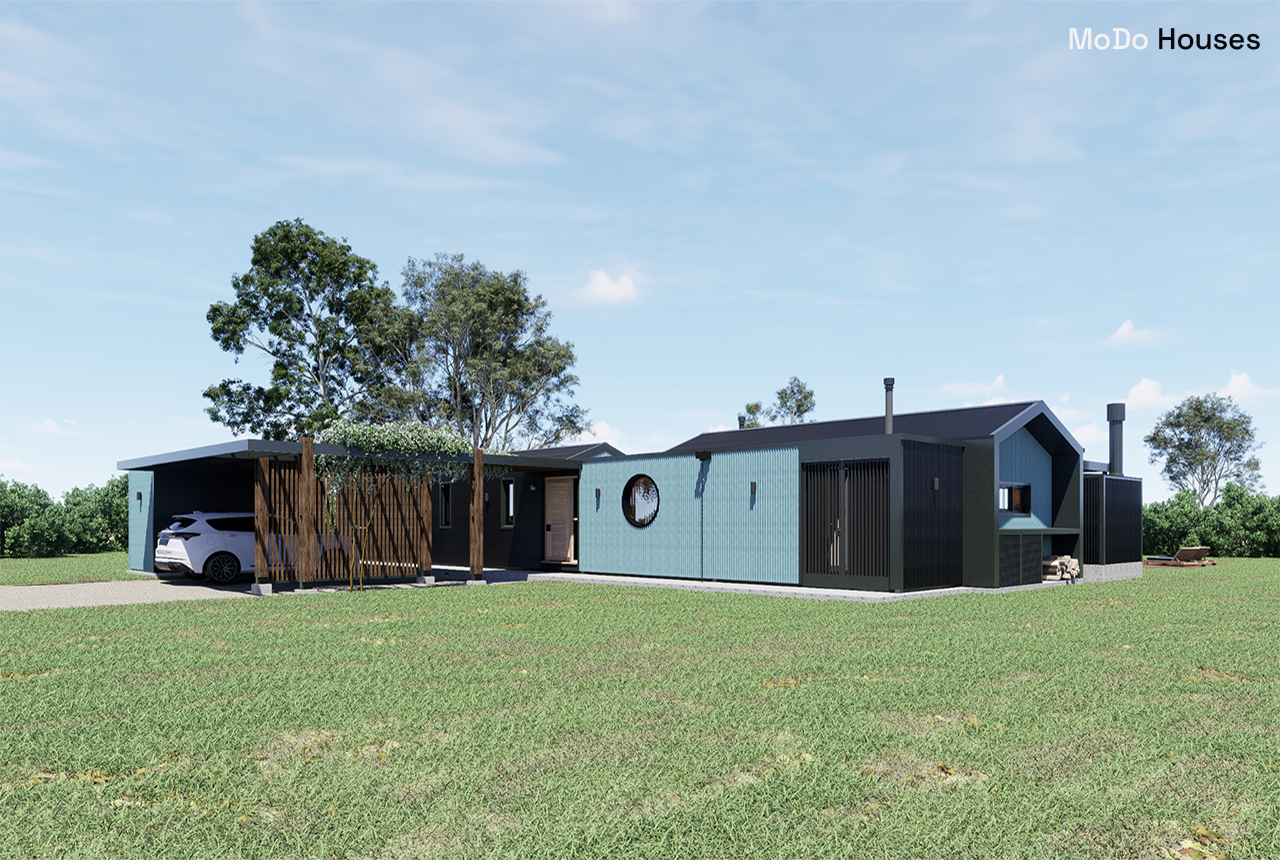
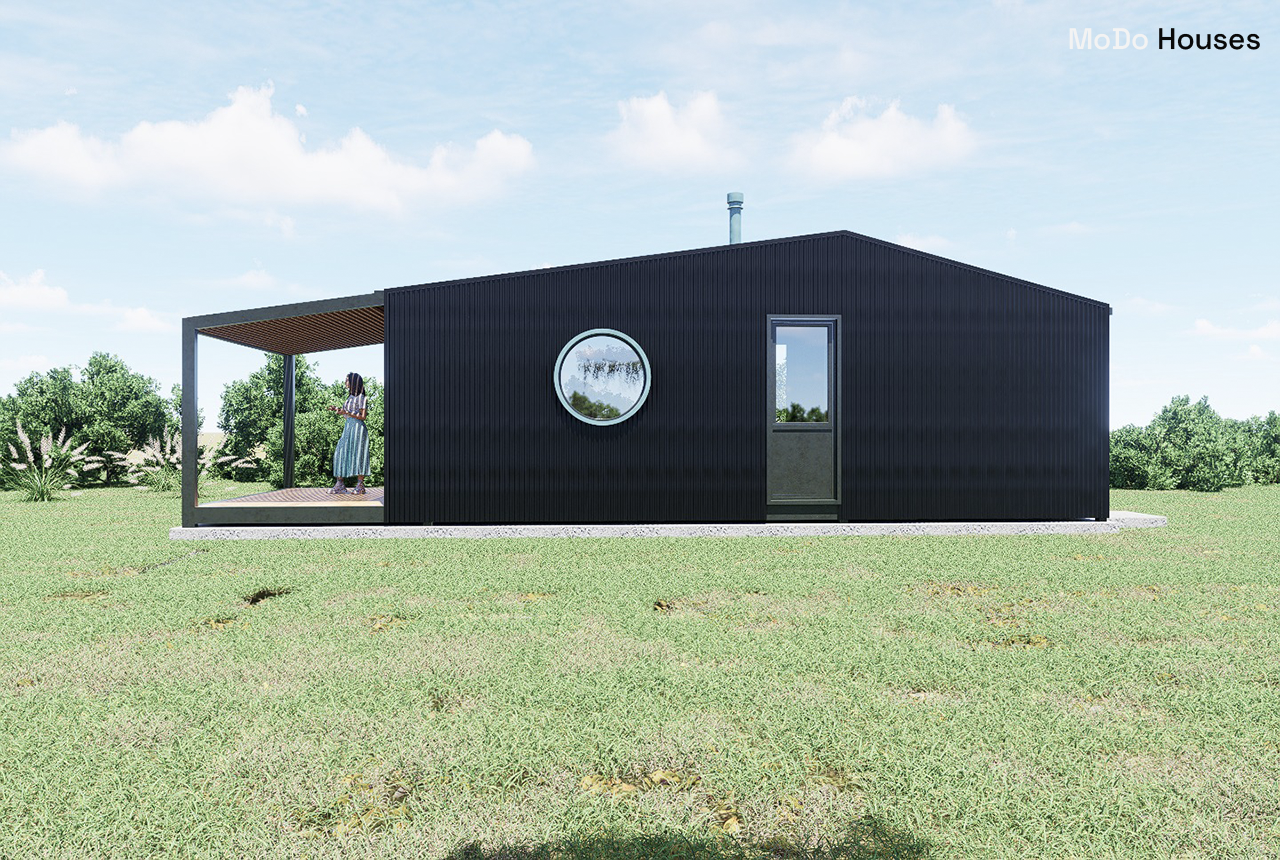
Compact models such as the Brisa 33 allow initial needs to be met quickly and predictably. Meanwhile, larger typologies respond to complex residential programs without losing the agility of the industrialized modular system.
The bottom line: construction delay is rarely a technical failure. It is due to coordination failures. Having a single responsible point of contact and online tracking technology speeds up any residential development in Maldonado.
The climate: the factor almost no one puts in the schedule
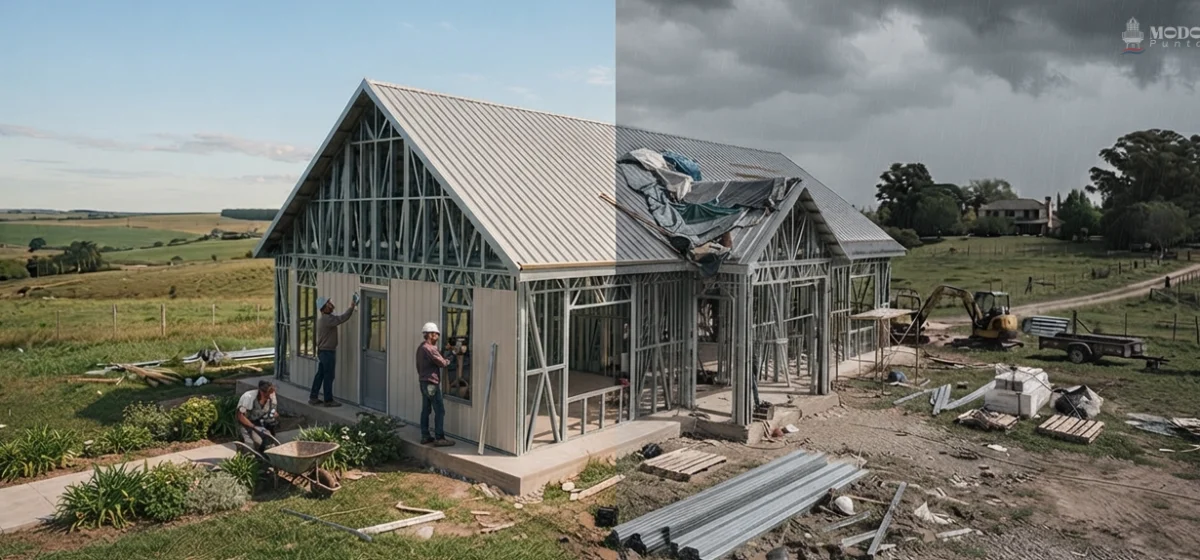
The east coast has a temperate climate with marked conditions. Uruguay records rain in spring, summer and autumn. In addition, winds intensify during the winter months. These factors affect key tasks such as pouring concrete or working at height.
Winter usually offers greater labor availability and more competitive costs. Spring and summer, on the other hand, concentrate the highest demand in the sector. Planning a build without a margin for weather setbacks is a common mistake in the region.
The bottom line: the climate is not a surprise. It is a known fact that must be built in as a time margin in the initial planning.
The survey: the most frequent pain points on a coastal build
Based on the experiences analyzed, these are the most common setbacks when carrying out a build on the coast:
- Underestimating administrative time: not integrating deeds, RUT and permits into the main schedule.
- Fragmented teams: lack of a single leader coordinating architecture and execution.
- Ignoring the lot’s zoning rules: not checking heights and setbacks before designing.
- No climate margin: leaving out reserve days for rain or wind.
- Hiring in high season: competing for labor during the summer months.
- No local oversight: being absent without a digital tool or a local contact who checks daily progress.
So, dream or headache?
Building a property in Punta del Este is a predictable process with clear rules. Problems arise when the project is approached without prior information about the local market. The difference between enjoying or suffering a build lies in planning and in choosing the right professionals and technological innovations.