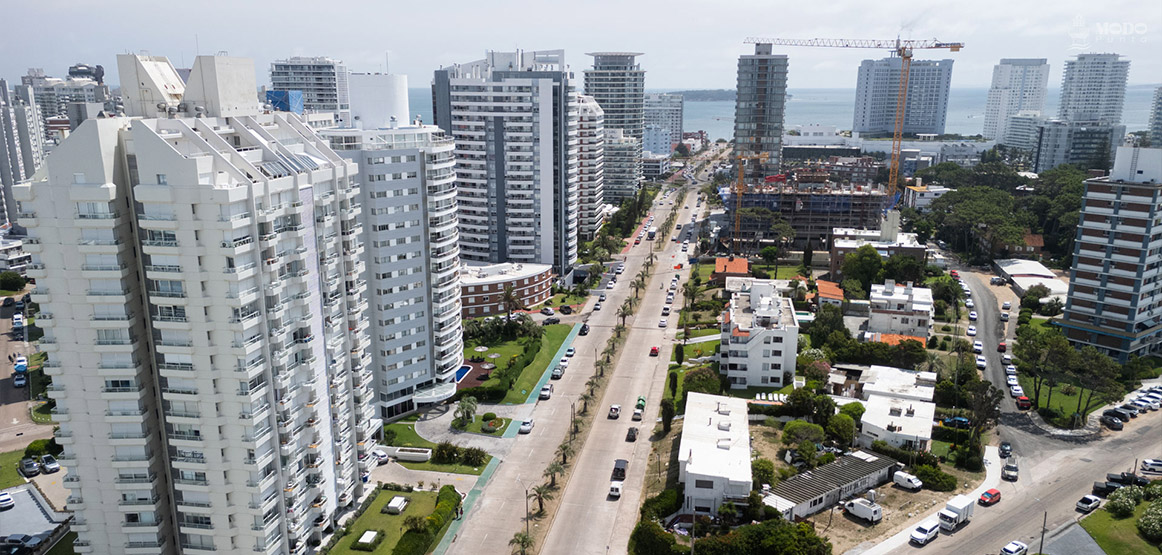
Between stability and sophistication, the Punta del Este real estate market redefines its rules in 2026: more informed, more selective, and with international demand that continues to set the pace.
Punta del Este: a market that matures without losing appeal
For years, Punta del Este was read as a seasonal destination. Today, that definition is insufficient. The city has consolidated a real estate market that combines volume, value and increasingly sophisticated demand. It is not just a place for vacations: it is, more and more, an investment and life decision.
Close to 18% of the country’s property sales concentrated in the department of Maldonado, the main Uruguayan seaside resort remains the epicenter of premium real estate. In the 2025–2026 cycle, activity maintained sustained growth, with peaks in transactions during the months of highest seasonal demand.
However, the quantitative data is not enough to explain the phenomenon. What is happening in Punta del Este is, in essence, a change of logic.
A divided market: liquidity and value
Market behavior reveals an increasingly clear duality. On one hand, small units —mainly one- and two-bedroom apartments— concentrate the highest volume of transactions. They are liquid assets, with ticket sizes that remain in accessible ranges within the local market, sought by investors who prioritize turnover and rental income.
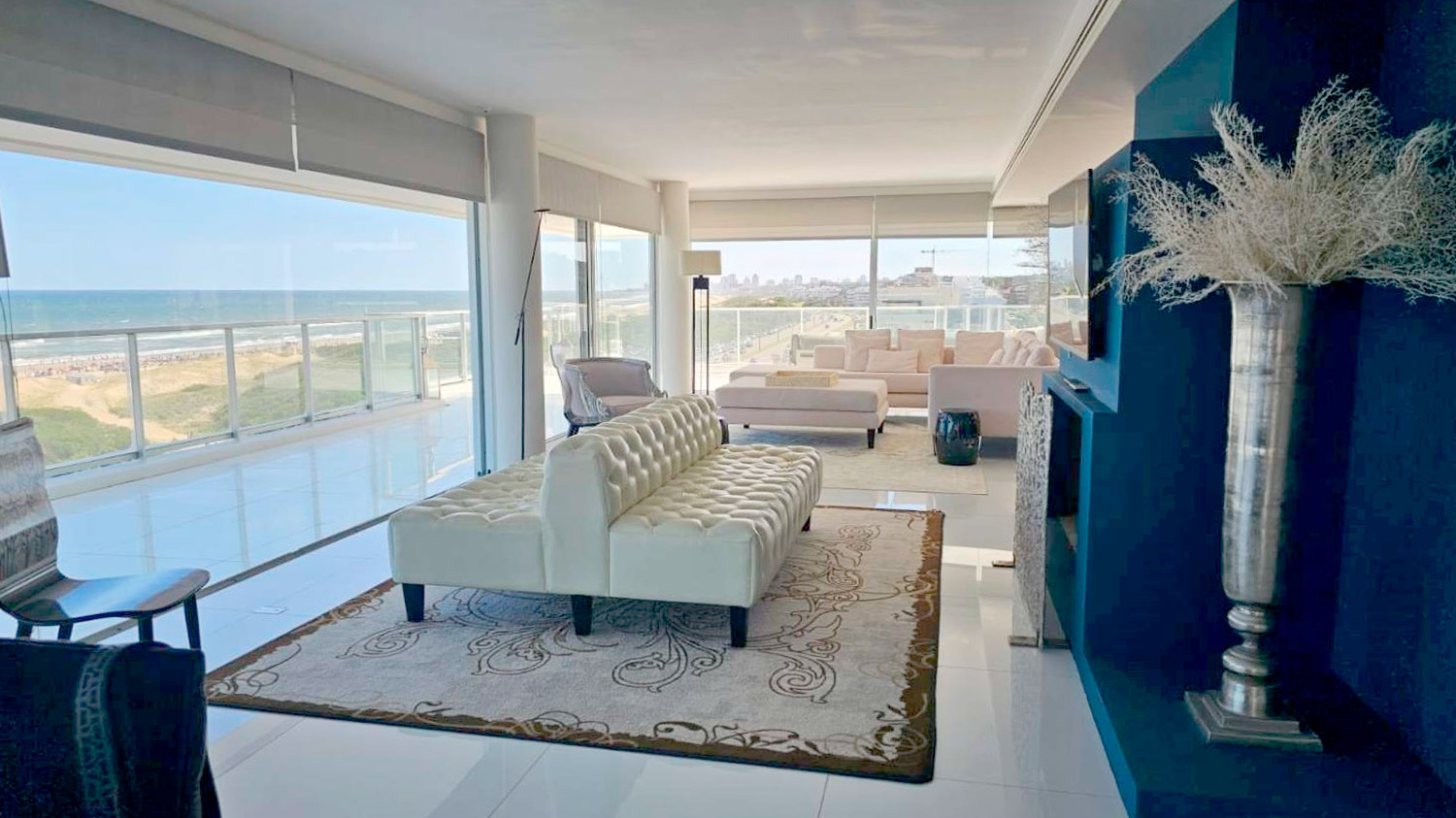
On the other, the premium segment moves under different rules. High-value houses, semi-floor apartments and branded developments sustain their positioning, with lower volume but significantly higher ticket sizes. In areas such as La Barra, José Ignacio or Punta Ballena, demand responds to an international profile that seeks design, privacy and experience before immediate returns.
This segmentation is not new, but it is more evident. While the small product ensures liquidity, the premium product concentrates margin and value creation.
Stable prices and concrete market references
The market shows price stability, with selective adjustments on used properties that do not meet current expectations. At the same time, the negotiation margin has become part of the process, especially on overpriced assets.
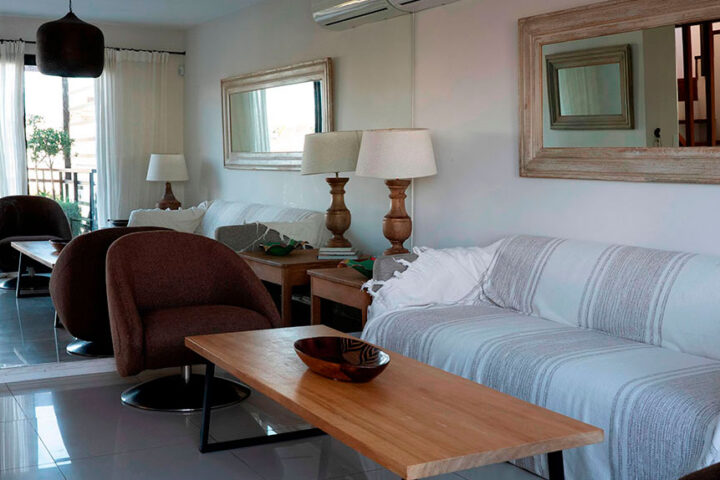
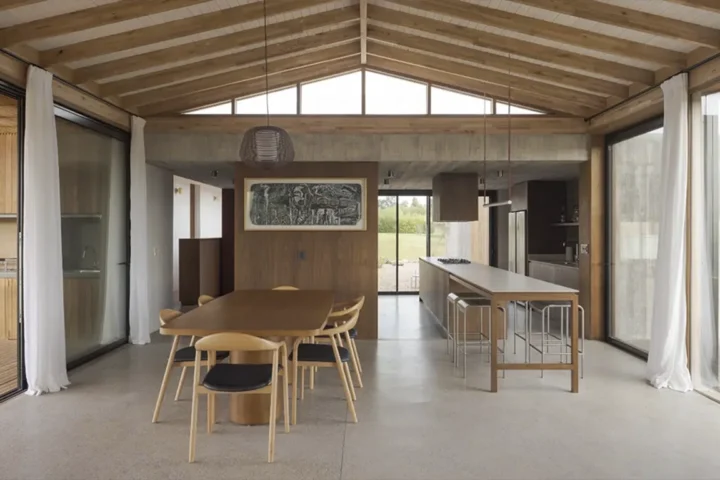
To better understand real price positioning, various local brokers —such as Vero Breccia Studio— make it possible to see concrete cases in their portfolio, which reflect the current market range: from compact investment-oriented units to larger properties tied to the lifestyle segment.
These examples, which accompany this article, work as a precise snapshot of the moment: a market where value is defined not only by the product but by its correct reading within the context.
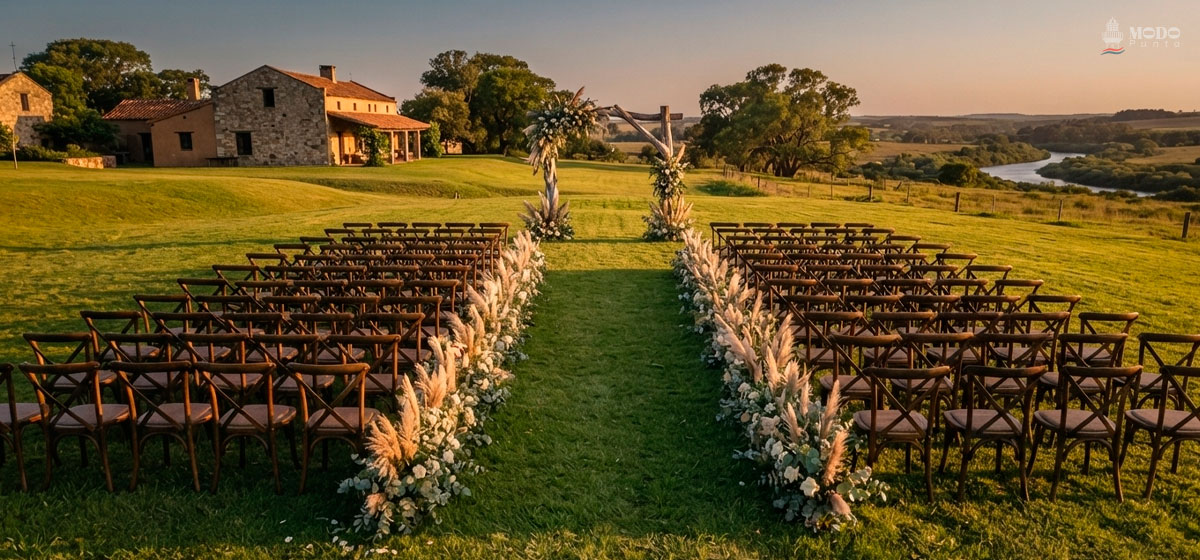
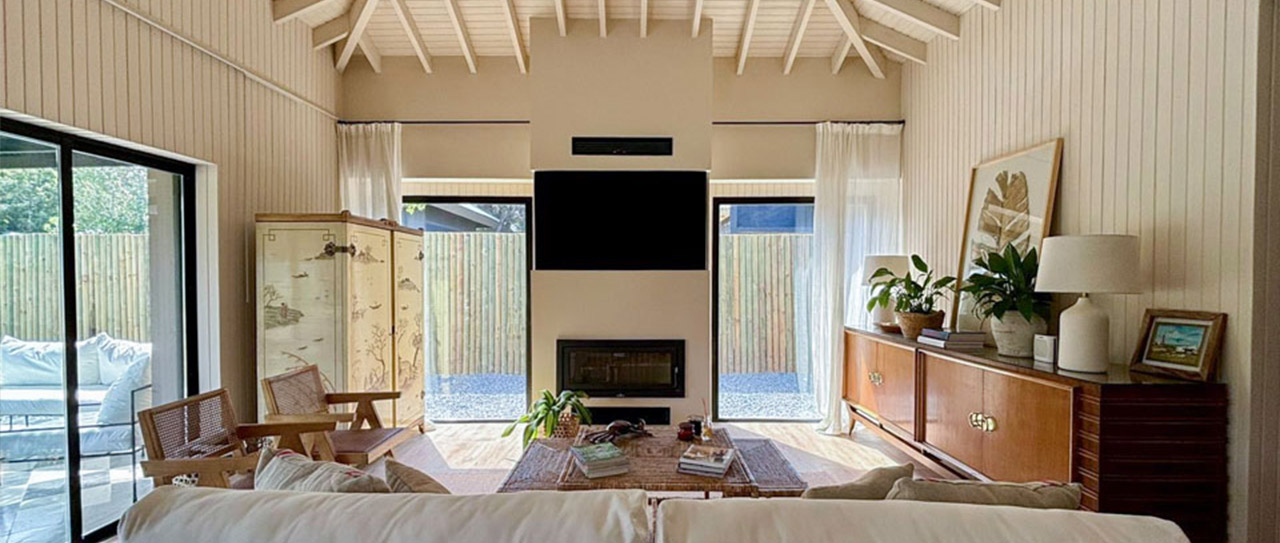
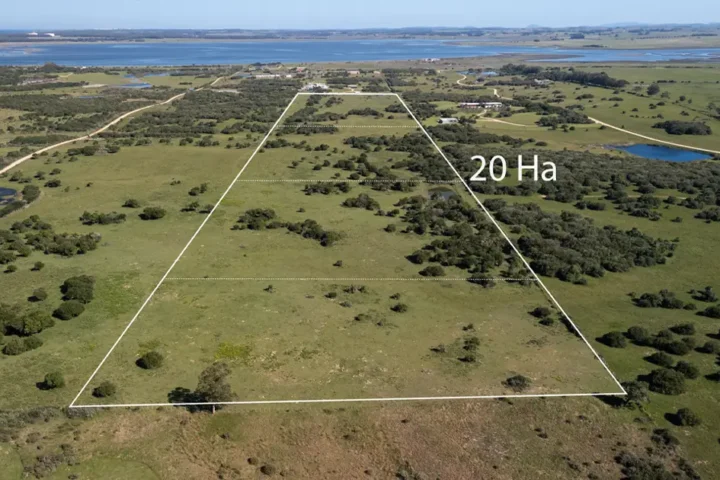
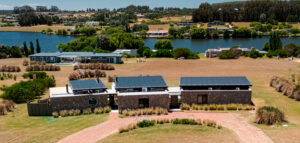
Farm (chacra) in La Barra on 2.5 hectares, with established trees and a five-bedroom house.
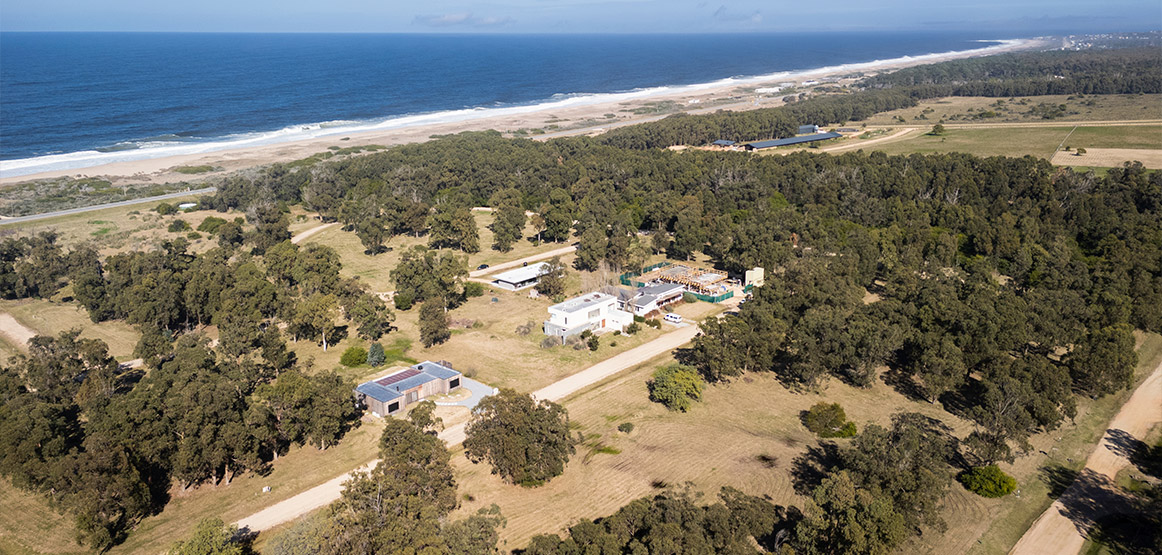
Price: USD 1,100,000.Farm (chacra) in La Barra on 2.5 hectares, with established trees and a five-bedroom house. Price: USD 1,100,000.https://modopunta.com/chacra-venta-la-barra-2-5-hectareas-casa-5-dormitorios/Design house in Reserva Montoya, with four bedrooms in a private setting. Price: USD 1,600,000.Design house in Reserva Montoya, with four bedrooms in a private setting. Price: USD 1,600,000.https://casasweb.com/hibrida.aspx?h=5Gtv0Vwm6b9CUqgr9IEXtsmFD11HX83Hec_Xim4EN5EFour-bedroom house in Pinar del Faro, near José Ignacio. Price: USD 1,300,000.Four-bedroom house in Pinar del Faro, near José Ignacio. Price: USD 1,300,000.https://casasweb.com/hibrida.aspx?h=bw62VS4x77h5TVBceKXAI6pUQjpyXf8UdBIcUy1idZw
The weight of international demand
The Punta del Este market remains, to a large extent, an international market. Argentine buyers maintain their historic role, while the Brazilian public continues to expand and European interest is consolidating in the high end.
Locally, Montevideo works as a second-home base, and the domestic investor finds in rentals —both seasonal and annual— a yield alternative that, depending on the asset, sits between 3% and 7% per year.
The sustained post-pandemic recovery of rentals reaffirms Punta del Este not only as a store of value but also as a productive asset.
New trends: design, brand and territory
The advance of premium and branded residences continues to set the direction of the market, especially in areas such as José Ignacio and Manantiales. These developments raise the standard and consolidate a logic in which design, services and experience are central.
In parallel, certain traditional properties are going through an adjustment process. Units that do not align with the new expectations lose competitiveness in an increasingly demanding market.
A more professional market, a more demanding buyer
The current scenario demands precision. Punta del Este remains a resilient market, able to sustain value even in variable regional contexts. But that resilience no longer coexists with improvisation.
Today, the differentiator lies in information, strategy and the ability to correctly interpret demand.
In that balance between nature, investment and lifestyle, Punta del Este continues to consolidate as one of the region’s most singular markets. Not for what it promises, but for what it quietly already is.